

Tel:+86-0572-2926332 / 2926337

E-mail:[email protected]
 REQUEST A QUOTE

 en
en  English
 简体中文
简体中文Silicon Nitride Ceramic Material: A Practical Guide for Engineers and Buyers
2026.07.13
Content
What Is Silicon Nitride Ceramic Material?
Silicon nitride ceramic material, chemically represented as Si3N4, is an advanced engineering ceramic known for its unusual combination of high strength, low weight, and excellent resistance to heat and wear. Unlike traditional ceramics that tend to be brittle and prone to cracking under stress, silicon nitride ceramics maintain structural integrity even under significant mechanical load, which is why they've become a preferred material in demanding industrial applications.
This material is produced through a sintering process, where fine silicon nitride powder is compacted and heated at high temperatures until it forms a dense, solid ceramic structure. The resulting material offers a rare balance of toughness and thermal stability that few other ceramics or metals can match at a comparable weight.
Key Properties That Make This Ceramic Stand Out
Understanding the specific properties of silicon nitride ceramic material helps explain why it's chosen over metals or other ceramics in high-performance applications.
- High fracture toughness compared to most other technical ceramics
- Excellent resistance to thermal shock, even with rapid temperature changes
- Low density, making it significantly lighter than steel or other metal alternatives
- Strong resistance to wear, corrosion, and oxidation in harsh environments
- Good electrical insulation properties alongside high mechanical strength
This combination of toughness and thermal resistance is particularly valuable in applications where components experience both mechanical stress and extreme temperature swings simultaneously, conditions that would quickly degrade many conventional materials.
Common Applications Across Industries
Silicon nitride ceramics show up across a wide range of demanding industrial and engineering applications, largely due to their unique performance advantages under stress.
Bearings and Rolling Components
Silicon nitride bearing balls are widely used in high-speed and high-precision bearing applications, including aerospace, machine tools, and specialized automotive components. Their light weight reduces centrifugal stress at high rotational speeds, while their hardness minimizes wear over long service life.
Cutting Tools and Wear Parts
The material's hardness and heat resistance make it a strong choice for cutting tool inserts used in machining hard metals, where conventional tool materials would wear down or overheat quickly during high-speed operations.
High-Temperature Industrial Components
In furnace components, engine parts, and other high-heat environments, silicon nitride ceramic material holds up where metals would soften or deform, making it valuable for components that must maintain structural integrity under sustained thermal stress.
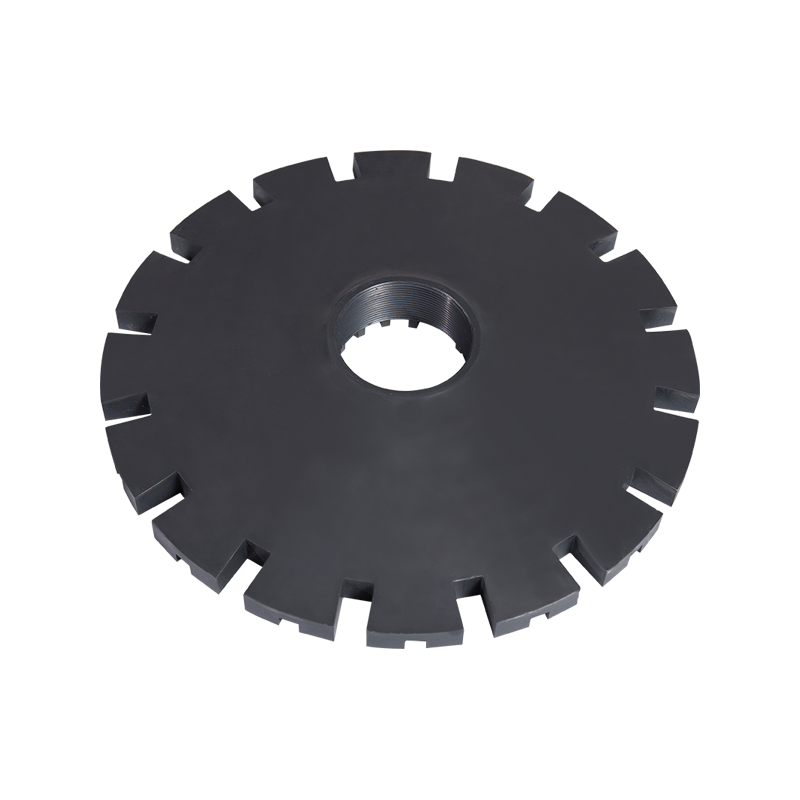
Comparing Silicon Nitride to Other Engineering Ceramics
Choosing the right ceramic material depends on the specific demands of your application, since different ceramics excel in different areas.
| Material | Key Strength | Best Suited For |
| Silicon Nitride | High toughness and thermal shock resistance | Bearings, cutting tools, high-stress components |
| Alumina (Al2O3) | Good electrical insulation, lower cost | General industrial insulators and wear parts |
| Zirconia (ZrO2) | High fracture toughness, good wear resistance | Dental applications, precision wear parts |
| Silicon Carbide | Extreme hardness, high heat resistance | Abrasive applications, semiconductor processing |
While silicon carbide may offer higher raw hardness, silicon nitride ceramic material generally outperforms it in applications requiring resistance to sudden temperature changes and mechanical shock, which is why it remains the preferred choice for bearings and rotating components.
What to Check Before Sourcing Silicon Nitride Components
Not all silicon nitride ceramic products are manufactured to the same quality standard, and choosing the wrong grade or specification can lead to underperformance or premature failure in demanding applications.
- Density and porosity levels, which affect overall strength and durability
- Grain structure consistency, since uneven grains can create weak points
- Surface finish quality, especially critical for bearing and precision applications
- Dimensional tolerance accuracy for components requiring precise fitment
- Available testing documentation confirming mechanical and thermal performance
Requesting detailed technical data sheets and, where possible, third-party testing reports helps confirm that the material meets the specific performance requirements of your application before committing to a large order.
Working With Manufacturers on Custom Components
Because silicon nitride ceramic material is often used in specialized, high-precision applications, many buyers work directly with manufacturers to produce custom-shaped components rather than relying on standard off-the-shelf parts. This typically involves sharing detailed engineering drawings, tolerance requirements, and performance specifications so the manufacturer can adjust sintering parameters and finishing processes accordingly.
It's worth requesting prototype samples before committing to full production runs, since even small adjustments to sintering temperature or pressure can affect the final material's density and mechanical properties. A manufacturer willing to collaborate closely on prototyping tends to deliver more reliable results for specialized engineering applications.
Hot Products
Contact Us for Quotes and Prices!
Just let us know what you want, and we will get in touch with you as soon as possible!

We will continue to develop and produce more advanced ceramic materials for the aluminum processing industry.
Scan the Mobile QR code
Contact
 +86-18501518842 / +86-13587222672
 +86-0572-2926332 / 2926337
 +86-0572-2926335
 [email protected] / [email protected] / [email protected]
 No.11 Building, South Taihu High-tech Intelligent Manufacturing Industrial Park, Wuxing District, Huzhou City, Zhejiang, China
Copyright© 2024 Zhejiang Shangguijuli Special Material Technology Co., Ltd. All Rights Reserved. Ceramic Material Supplier


