

Tel:+86-0572-2926332 / 2926337

E-mail:[email protected]
 REQUEST A QUOTE

 en
en  English
 简体中文
简体中文Silicon Nitride Riser Tube: A Foundry Guide to Longer Molten Aluminum Service
2026.10.13
Molten aluminum has a habit of finding the weak point in a process. In low-pressure die casting, the metal leaves the holding furnace and climbs through a narrow ceramic tube into the mold above. That tube — the riser tube, often called a stalk or riser stalk — is one of the least visible parts of the cell and one of the hardest working. It sits in or just above the melt, heating and cooling with every cycle, thousands of times a year.
Metal riser tubes were once the easy default, simply because they were cheap and available. They also oxidize, pick up aluminum, and gradually shed iron and oxide into the melt, which is precisely what a foundry trying to hold inclusion levels down does not want. Silicon nitride riser tubes were developed to remove that problem, and in a great many aluminum casting operations they have quietly become the standard choice. This article covers what they do, why the material behaves the way it does, how to select and look after one, and when a different ceramic deserves a place in the conversation.
Content
What a Silicon Nitride Riser Tube Actually Does
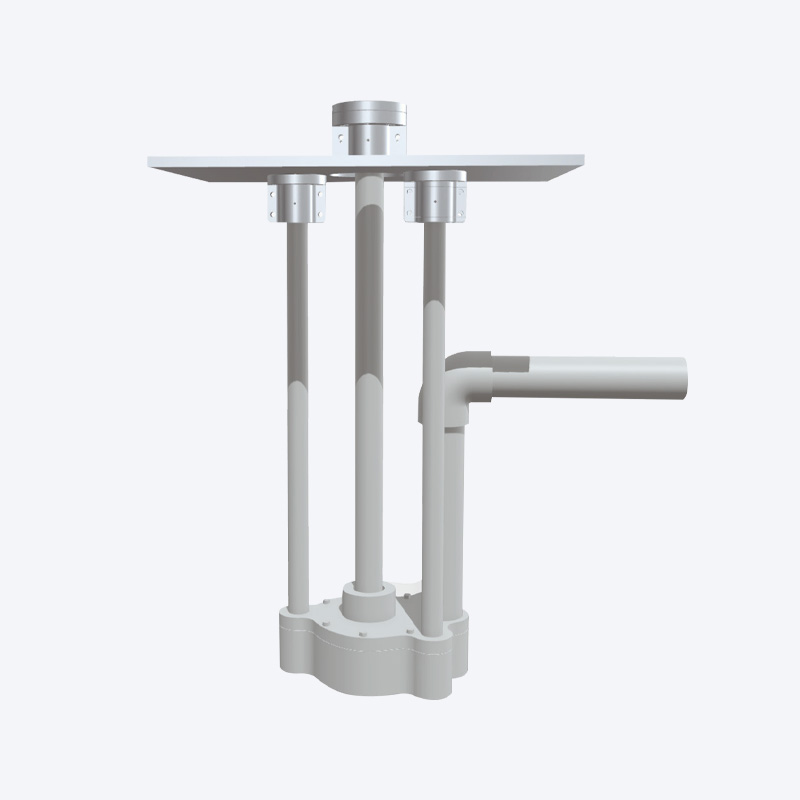
The riser tube connects the inside of a holding furnace to the mold. In low-pressure die casting, the lower end is submerged in the melt and the upper end seals against the mold inlet, so the tube works as both a conduit and a pressure boundary. A small gas pressure applied to the furnace pushes metal up the bore and into the die cavity; when that pressure drops, the metal falls back down. Nothing about that sequence is gentle.
Typical aluminum casting temperatures sit somewhere between roughly 680 °C and 760 °C, and the tube walls see that heat from both sides — liquid metal on the inside, air or insulation on the outside. On top of the temperature, the bore carries fast-moving metal that erodes, while the exterior may be exposed to fluxes, degassing gases and cleaning tools. A riser tube is therefore asked to be a structural part, a seal, a thermal component and a flow channel at the same time.
What the tube has to do well
- Hold its geometry at temperature, so that fill pressure and casting weight stay repeatable from cycle to cycle.
- Survive rapid thermal cycling without cracking, bowing or losing concentricity.
- Resist wetting, so aluminum does not cling to the wall and later break away as inclusions.
- Stay chemically inert, contributing no iron, binder or oxide to the melt.
- Keep a stable bore over months of service rather than weeks.
Why Silicon Nitride Suits Molten Aluminum So Well
Silicon nitride (Si₃N₄) is a covalently bonded ceramic, and that bond is the source of most of its advantages in a foundry. It is worth walking through the properties one by one, because each of them answers a specific failure mode that metals suffer from.
It is not wetted by aluminum. Silicon nitride is essentially non-wetting toward molten aluminum, with a contact angle well above 90 degrees. Metal drains away from the surface instead of climbing the wall or building a crust, which keeps the bore clear and the melt clean.
It shrugs off thermal shock. The material combines low thermal expansion with high strength, so it tolerates the rapid heat-up and cool-down of a casting cycle without the cracking that brittle ceramics normally suffer.
It stays strong when hot. Silicon nitride retains useful mechanical strength and hardness well above the temperatures found in aluminum casting, which means the tube resists erosion from flowing metal rather than rounding off at the entry.
It does not react with the melt. There is no iron to dissolve into the aluminum and no binder phase to leach out. For alloys with tight chemistry specifications, that alone can justify the switch.
It resists oxidation. In air, silicon nitride forms a thin protective oxide layer that slows further attack, so tubes survive exposure above the melt as well as immersion in it.
| Aspect | Metal riser tube | Silicon nitride riser tube |
|---|---|---|
| Wetting by molten aluminum | Strong wetting; metal adheres and builds up on the wall | Non-wetting; metal drains away cleanly |
| Contamination risk | Iron pick-up and oxide inclusions are possible | Chemically inert; contributes nothing to the melt |
| Thermal shock | Distortion and cracking after repeated cycles | Handles repeated rapid heating and cooling |
| Reported service life | Often measured in a few months or less | Commonly reported at twelve months and beyond with routine care |
| Maintenance | Frequent cleaning, dressing and replacement | Periodic inspection; minimal dressing |
| Effect on casting quality | Possible inclusions and drifting fill pressure | Stable fill and cleaner metal |
How to Choose the Right Riser Tube
Material grade matters, but geometry decides whether a tube works in your cell. A perfectly made tube with the wrong bore or length will cause more trouble than a modest grade that fits properly.
A short checklist before you order
- Measure the tube you are replacing, including bore, outside diameter, wall thickness and overall length, and check the worn part for taper rather than assuming it was straight when new.
- Confirm the sealing faces at both ends. The upper face meets the mold inlet and the lower end sits in the melt, so small changes in flatness or chamfer can cause leakage or turbulence.
- Allow for thermal expansion between the furnace and the mold, and leave enough clearance so the tube is not loaded sideways when everything is hot.
- Note the alloy family, the metal temperature and the level of grain refinement or modification used, since these influence how aggressive the melt behaves.
- Ask how the tube is sintered and how dimensional tolerance is controlled, because consistency between batches is what keeps your process repeatable.
- Order spares in proportion to your cycle count, so a tube is always available before the current one reaches the end of its life.
Handling Habits That Extend Tube Life
Most premature ceramic failures in the field are handling failures, not material failures. A few small habits make a measurable difference.
- Preheat new tubes gradually before they meet liquid metal, rather than dropping them cold into a hot furnace.
- Avoid mechanical shock. Ceramic is hard but brittle, and a knock against a steel frame can start a crack that only opens later.
- Keep the seating area clean and free of solidified metal, so the tube sits flat and seals without being forced.
- Check alignment before clamping, because a mold that side-loads the tube will eventually break it.
- Never quench a hot tube in water or cool it with a damp cloth.
- Record cycle counts and inspect between campaigns; a light check at the right moment is cheaper than a failed cast.
Silicon Nitride, Aluminum Titanate or O'Sialon?
These three ceramics all appear in aluminum foundry work, and each has a natural home. Silicon nitride is the strongest and the least wetting, which makes it the sensible first choice for submerged, load-bearing, thermally cycled parts such as riser tubes, stalk tubes, stopper rods and degassing rotors. Aluminum titanate has outstanding thermal shock resistance and low thermal conductivity, so it excels in linings and in positions where insulation and temperature fluctuation matter more than mechanical strength. O'Sialon sits between the two, offering toughness and wear resistance that suit pump parts and heavily eroded components.
In practice, many foundries end up with a mix: silicon nitride where the tube carries load and must stay clean, aluminum titanate where the surrounding hardware has to absorb heat cycling, and O'Sialon where abrasive flow shortens component life.
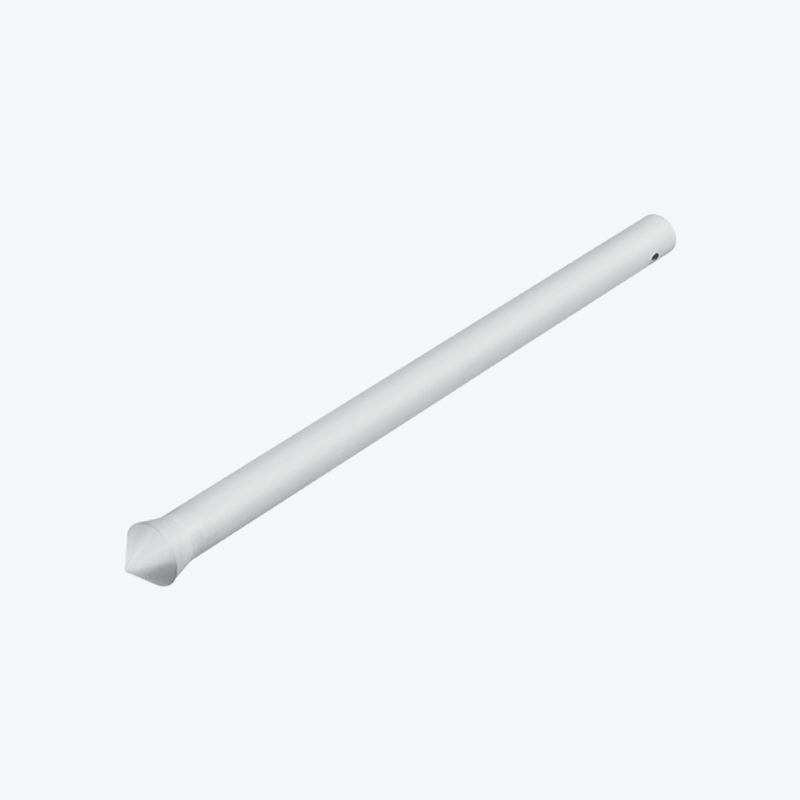
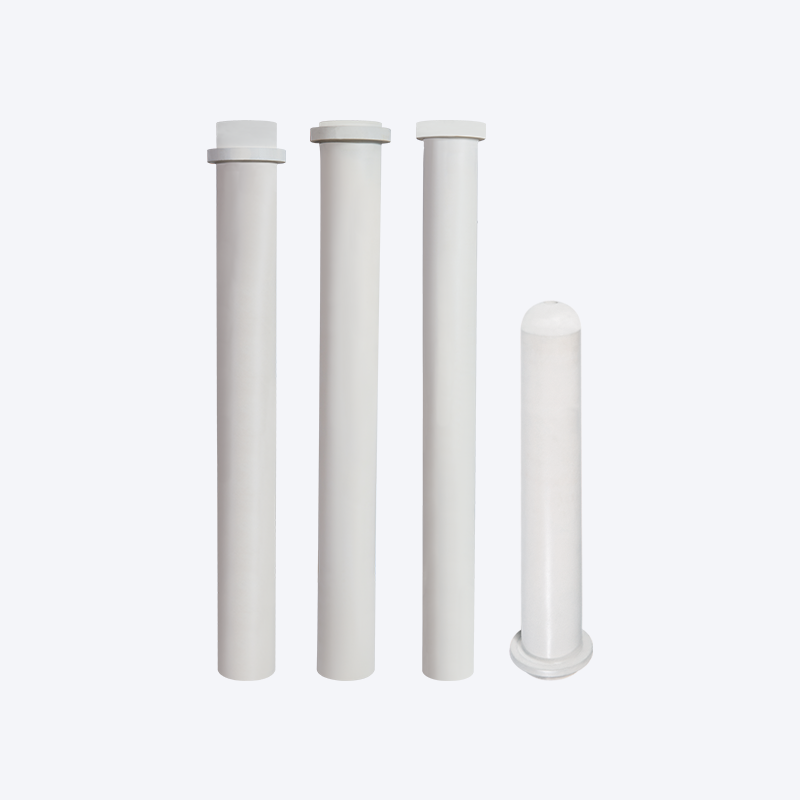
If you would like to see the silicon nitride grade we build riser tubes from, the SG-28 silicon nitride ceramic riser tube page lists dimensions, material data and typical applications.
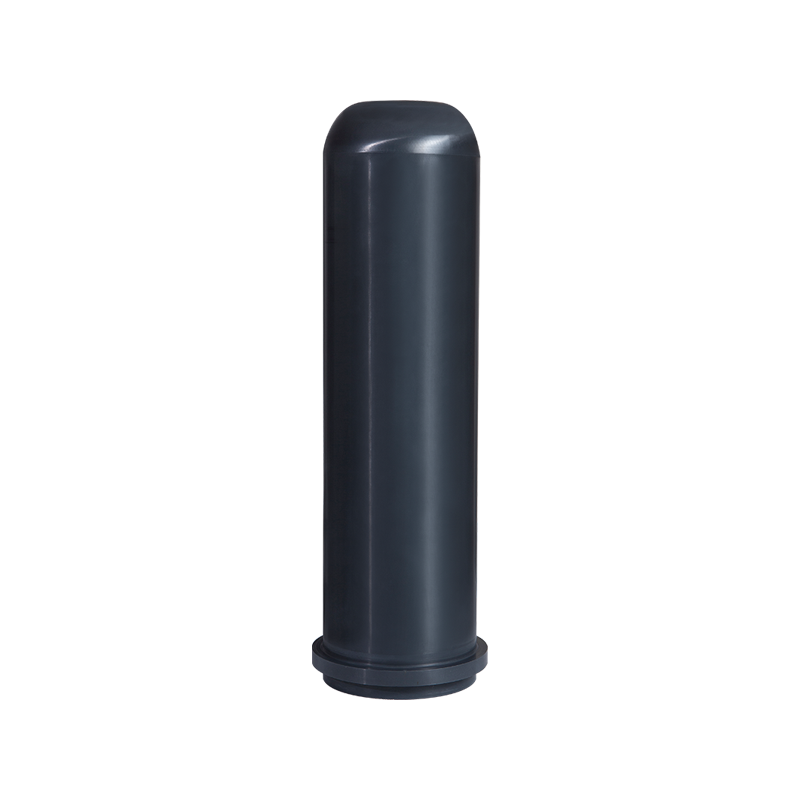 SG-28 Silicon Nitride Ceramic Riser Tube for Molten AluminumReview this silicon nitride riser tube for molten aluminum service, with material data and applications; compare it with O'Sialon for aggressive erosion or thermal swings.View Product →
For cells that see aggressive erosion or unusually fast thermal swings, the O'Sialon ceramic stalk riser tube is worth comparing side by side with silicon nitride.
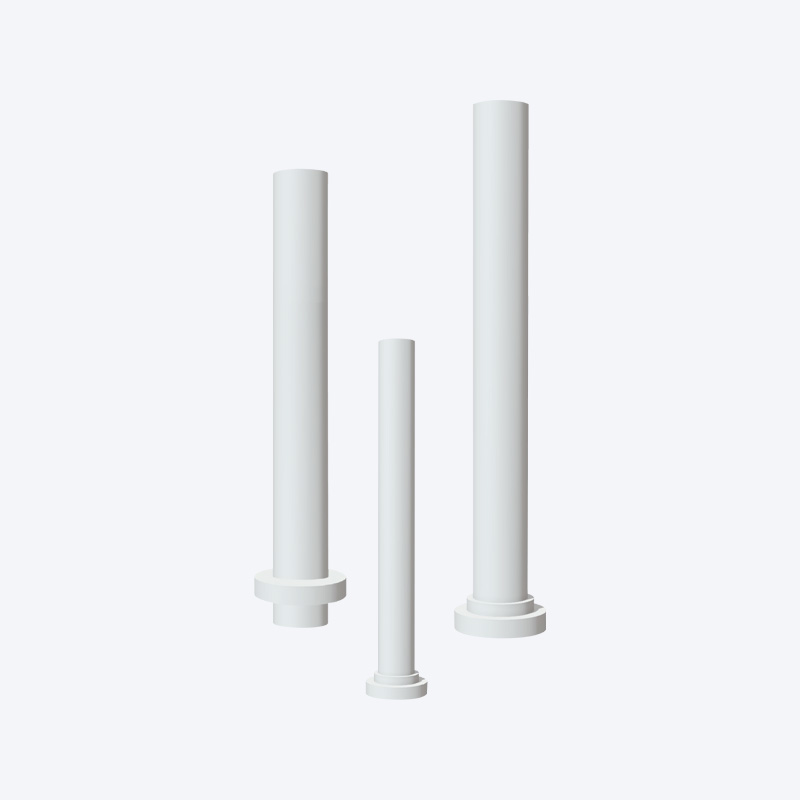 OS-11 O'Sialon Ceramic Stalk/Riser Tube for Molten AluminumCompare this O'Sialon stalk/riser tube for aggressive erosion and fast thermal swings, where low thermal conductivity, non-wetting behavior, and no preheating are highlighted.View Product →
And where insulation and thermal shock resistance are the priority, the aluminum titanate ceramic stalk riser tube offers a different balance of properties.
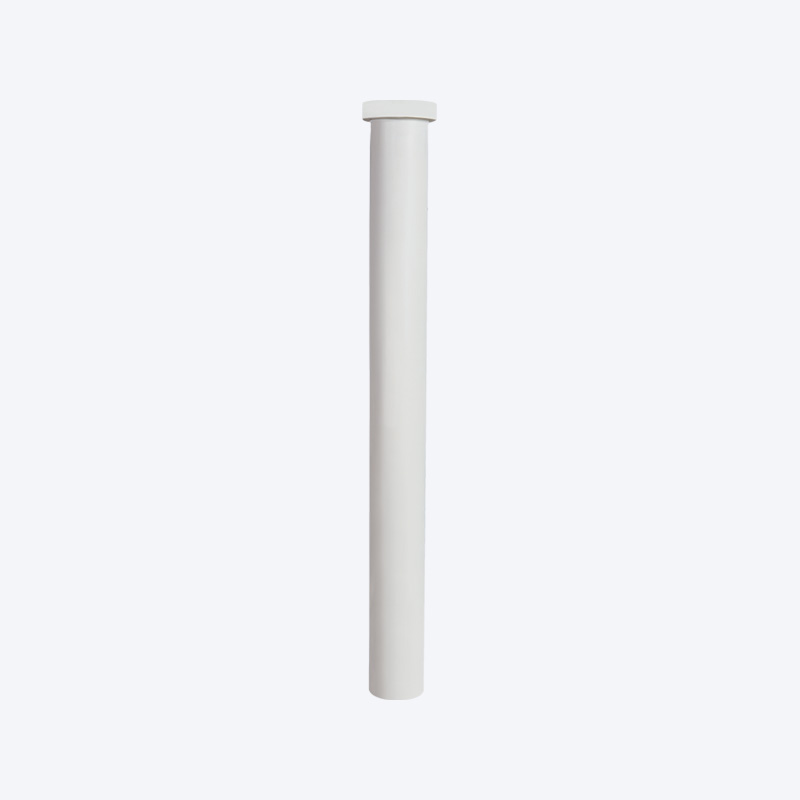 TA-03 Aluminum Titanate Ceramic Stalk/Riser Tube for Molten AluminumView this aluminum titanate riser tube from an experienced supplier, where low thermal conductivity and thermal shock resistance matter for differential-pressure and low-pressure casting.View Product →
Getting the Details Right With a Specialist Supplier
Riser tubes are a small purchase with a large influence on casting quality, which is why the supplier's experience tends to matter as much as the data sheet. Zhejiang Shang Gui Ju Li Special Material Technology Co., Ltd. (SGJL) has been making special ceramic components for the aluminum industry with a team that brings more than twenty years of hands-on experience. The company operates a 20,000 square metre plant, employs around one hundred people, and exports to more than thirty countries, with the factory located 160 kilometres from Shanghai Port and 200 kilometres from Ningbo Port for straightforward logistics.
Our work covers the hot end of aluminum processing, from melting and refining through filtration, transfer, flow control and heating, and you can see how those parts fit together across our aluminum casting and die casting application pages.
If you are weighing up a change from metal risers to ceramic, or comparing grades for a difficult position, the notes in this article on foundry operations are a useful starting point before you talk to us about dimensions.
Riser tubes rarely fail loudly; they wear, they contaminate, and they quietly cost you castings. Moving to silicon nitride addresses the material side of that equation, and careful measuring, gentle installation and regular inspection take care of the rest.
If you tell us your alloy, your metal temperature and the dimensions of the tube you are running now, we can help you work out which grade and geometry will give you the longest, steadiest service.
Hot Products
Contact Us for Quotes and Prices!
Just let us know what you want, and we will get in touch with you as soon as possible!

We will continue to develop and produce more advanced ceramic materials for the aluminum processing industry.
Scan the Mobile QR code
Contact
 +86-18501518842 / +86-13587222672
 +86-0572-2926332 / 2926337
 +86-0572-2926335
 [email protected] / [email protected] / [email protected]
 No.11 Building, South Taihu High-tech Intelligent Manufacturing Industrial Park, Wuxing District, Huzhou City, Zhejiang, China
Copyright© 2024 Zhejiang Shangguijuli Special Material Technology Co., Ltd. All Rights Reserved. Ceramic Material Supplier


