

Tel:+86-0572-2926332 / 2926337

E-mail:[email protected]
 REQUEST A QUOTE

 en
en  English
 简体中文
简体中文Why Silicon Nitride is the Ultimate Industrial Ceramic
2026.02.03
Content
The Material Science Behind Silicon Nitride
Silicon Nitride (Si3N4) is a high-performance technical ceramic characterized by its unique combination of thermal, chemical, and mechanical properties. Unlike traditional ceramics that are often brittle and sensitive to temperature shifts, this advanced compound features a strong covalent bond structure. This atomic arrangement results in a material that maintains exceptional structural integrity even when subjected to extreme environments. It is most commonly produced through methods such as Reaction Bonding (RBSN), Hot Pressing (HPSN), or Sintering (SSN), each tailored to achieve specific density and strength requirements for industrial applications.
One of the most defining characteristics of silicon-based nitrides is their low coefficient of thermal expansion. This allows the material to withstand rapid temperature fluctuations without cracking, a phenomenon known as thermal shock resistance. Furthermore, its natural ability to form a protective oxide layer provides it with impressive corrosion resistance, making it an ideal candidate for chemical processing and molten metal handling where other materials would fail prematurely.
Key Physical and Mechanical Properties
To understand why silicon nitride ceramics are preferred in high-stress engineering, one must look at the quantitative data. It is significantly lighter than steel—roughly 40% of the density—yet it offers a hardness that rivals many specialized alloys. The following table highlights the typical specifications of high-grade sintered silicon nitride:
| Property | Typical Value |
| Density | 3.2 - 3.5 g/cm³ |
| Hardness (Vickers) | 1400 - 1600 HV |
| Thermal Conductivity | 20 - 30 W/m·K |
| Flexural Strength | 700 - 900 MPa |
| Max Operating Temp | 1200°C - 1400°C |
Practical Applications in Modern Industry
High-Speed Bearing Components
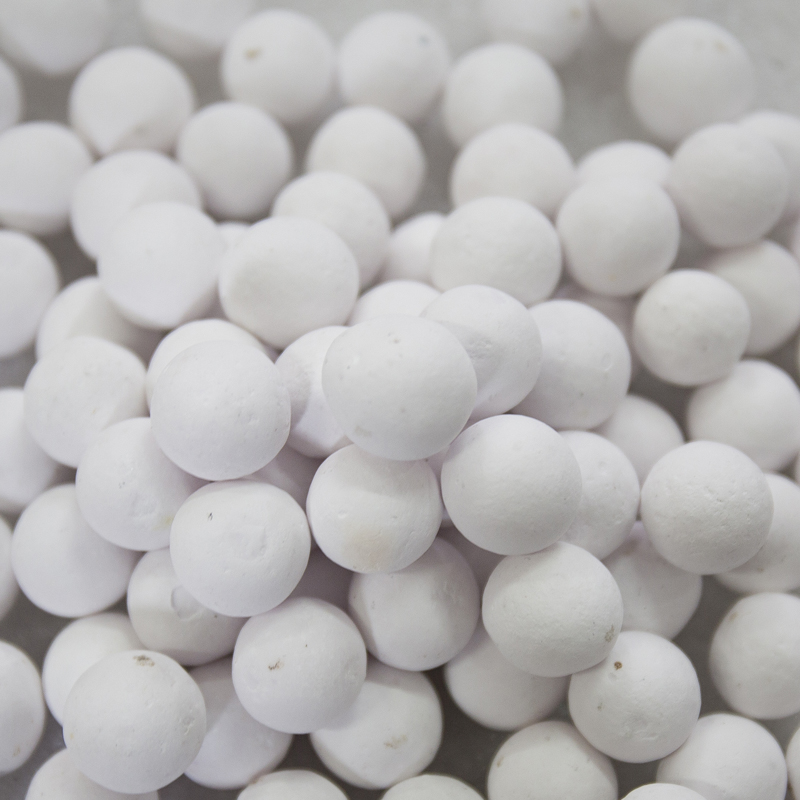
In the aerospace and automotive sectors, silicon nitride balls are the gold standard for hybrid bearings. Because the material is non-porous and incredibly smooth, it reduces friction and heat generation significantly more than steel. These bearings can operate at higher RPMs and require less lubrication, extending the lifespan of jet engines and electric vehicle motors.
Cutting Tools and Machining
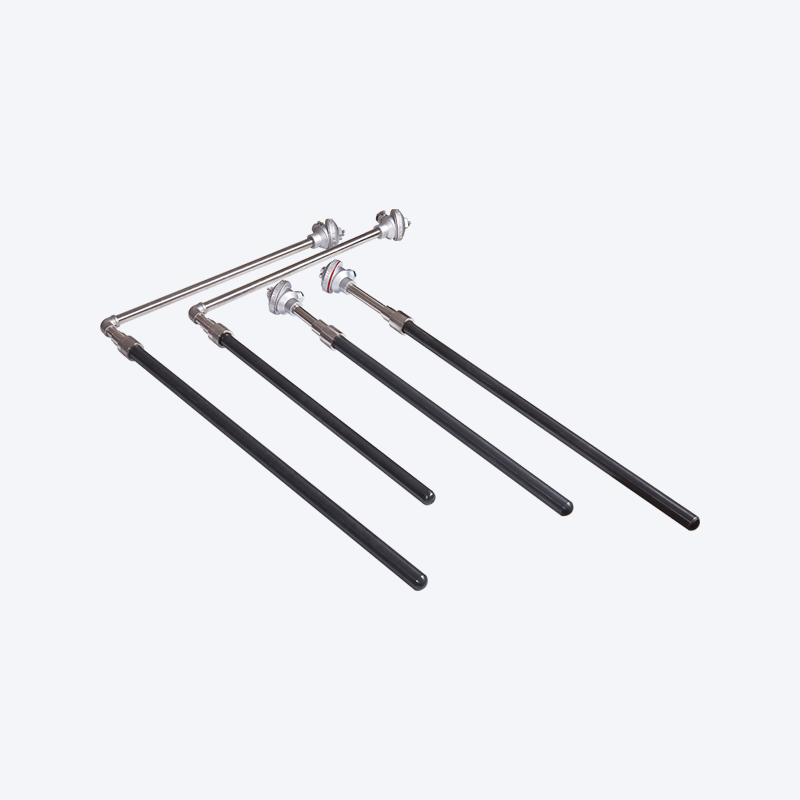
Due to its high red-hardness (the ability to maintain hardness at high temperatures), silicon nitride is used to manufacture cutting inserts for machining cast iron and nickel-based superalloys. Unlike tungsten carbide, which may soften under the intense heat of high-speed milling, silicon nitride tools remain sharp and stable, drastically increasing production throughput.
Advantages of Adopting Silicon Nitride Solutions
Transitioning from metal alloys to advanced ceramics offers several long-term operational benefits. When evaluating the total cost of ownership, the durability of these components often offsets the initial material investment. Key advantages include:
- Weight Reduction: The low density allows for lower centrifugal forces in rotating parts, improving efficiency and reducing vibration.
- Electrical Insulation: As a non-conductive material, it prevents electrical pitting in bearings, a common failure mode in electric drivetrains.
- Chemical Inertness: It is virtually unaffected by most acids and alkalis, making it indispensable for pump components in harsh chemical plants.
- Wear Resistance: Exceptional surface hardness ensures that components maintain their tolerances for much longer than hardened steel.
Conclusion on Future Implementation
As industries push toward higher efficiencies and more extreme operating conditions, the role of silicon nitride will only expand. From medical implants that utilize its biocompatibility to semiconductor manufacturing equipment that requires its high purity, this material is a cornerstone of modern engineering. Investing in silicon nitride components ensures that systems remain reliable, efficient, and capable of meeting the demands of tomorrow’s technology.
Hot Products
Contact Us for Quotes and Prices!
Just let us know what you want, and we will get in touch with you as soon as possible!

We will continue to develop and produce more advanced ceramic materials for the aluminum processing industry.
Scan the Mobile QR code
Contact
 +86-18501518842 / +86-13587222672
 +86-0572-2926332 / 2926337
 +86-0572-2926335
 [email protected] / [email protected] / [email protected]
 No.11 Building, South Taihu High-tech Intelligent Manufacturing Industrial Park, Wuxing District, Huzhou City, Zhejiang, China
Copyright© 2024 Zhejiang Shangguijuli Special Material Technology Co., Ltd. All Rights Reserved. Ceramic Material Supplier


