

Tel:+86-0572-2926332 / 2926337

E-mail:[email protected]
 REQUEST A QUOTE

 en
en  English
 简体中文
简体中文Aluminum Titanate Riser Tubes: The Secret to Reducing Scrap Rates in Low-Pressure Die Casting
2026.01.21
Content
The Critical Role of Aluminum Titanate in Modern Foundry Operations
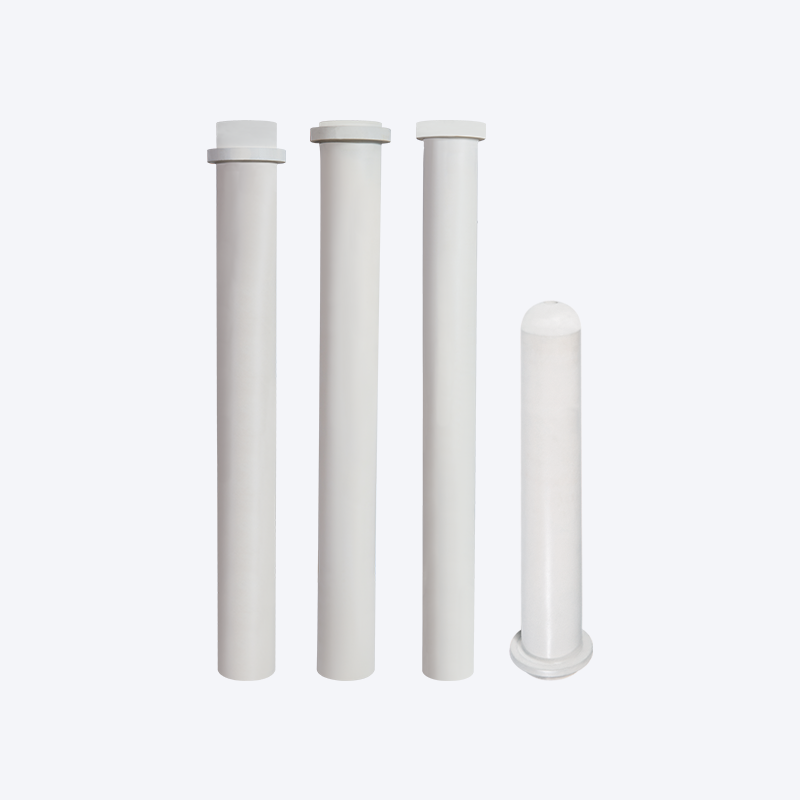
In the realm of low-pressure die casting (LPDC), the riser tube serves as the essential conduit between the pressurized molten metal bath and the mold cavity. Traditional materials often struggle with the extreme thermal cycling and corrosive nature of molten aluminum. Aluminum Titanate (ATI) has emerged as the premier material for these components due to its unique stoichiometric composition, which provides an incredibly low coefficient of thermal expansion and exceptional non-wetting properties. These tubes ensure that molten metal remains at a consistent temperature while preventing the build-up of dross or solidified aluminum on the interior walls.
Key Material Advantages of Aluminum Titanate Riser Tubes
Superior Thermal Shock Resistance
One of the most significant challenges in foundry environments is thermal shock. Aluminum Titanate riser tubes can withstand rapid temperature changes without cracking or structural failure. This is largely due to the micro-cracking structure inherent in the material’s crystalline matrix, which absorbs thermal stresses. Consequently, these tubes do not require extensive pre-heating procedures compared to cast iron or silicon carbide alternatives, reducing downtime and energy consumption.
Non-Wetting Characteristics and Metal Purity
Aluminum Titanate is naturally "non-wetting" for aluminum alloys. This means the molten metal does not adhere to the surface of the tube. In practical terms, this prevents the formation of "corundum" or scale inside the tube, which can constrict flow and contaminate the casting. By maintaining a clean flow path, manufacturers can achieve higher yields and significantly reduce the presence of oxide inclusions in the final casted parts, such as automotive wheels or engine components.
Performance Comparison: Aluminum Titanate vs. Traditional Materials
When evaluating the ROI of foundry consumables, it is helpful to compare Aluminum Titanate against common alternatives like Silicon Nitride or Cast Iron. The following table highlights why ATI is often the preferred choice for long-term stability.
| Feature | Aluminum Titanate | Silicon Nitride | Cast Iron |
| Thermal Expansion | Extremely Low | Low | High |
| Corrosion Resistance | Excellent | Very Good | Poor |
| Service Life | 60-90 Days | 90+ Days | 1-7 Days |
| Cost-Benefit | Balanced/High | Very Expensive | Low |
Best Practices for Installation and Maintenance
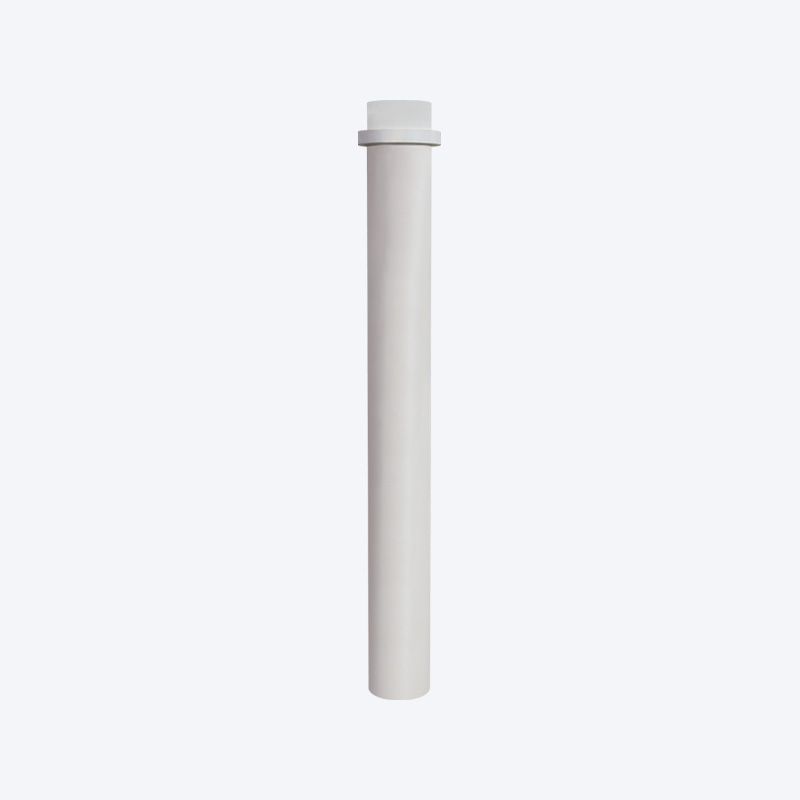
To maximize the lifespan of an Aluminum Titanate riser tube, proper handling and maintenance protocols must be followed. While the material is chemically robust, it is a ceramic and can be susceptible to mechanical impacts.
- Ensure the sealing gaskets are made of high-quality ceramic fiber to prevent air leaks and pressure loss.
- Avoid mechanical shock during installation; use dedicated lifting tools to position the tube vertically into the furnace.
- Regularly inspect the flange area for erosion, as this is the primary point of pressure containment.
- Clean the exterior surface gently if any metal splashes occur, ensuring the non-wetting properties remain uncompromised.
Sustainability and Economic Impact
The adoption of Aluminum Titanate riser tubes contributes directly to the sustainability goals of a modern foundry. By extending the service life of the tube, facilities reduce the frequency of part replacements, which lowers the carbon footprint associated with manufacturing and transporting ceramic components. Furthermore, the improved thermal insulation properties of ATI help maintain melt temperature with less energy input from the furnace heaters. Over a fiscal year, the reduction in scrap rates and the decrease in maintenance labor costs often result in a significant net gain for the facility.
Hot Products
Contact Us for Quotes and Prices!
Just let us know what you want, and we will get in touch with you as soon as possible!

We will continue to develop and produce more advanced ceramic materials for the aluminum processing industry.
Scan the Mobile QR code
Contact
 +86-18501518842 / +86-13587222672
 +86-0572-2926332 / 2926337
 +86-0572-2926335
 [email protected] / [email protected] / [email protected]
 No.11 Building, South Taihu High-tech Intelligent Manufacturing Industrial Park, Wuxing District, Huzhou City, Zhejiang, China
Copyright© 2024 Zhejiang Shangguijuli Special Material Technology Co., Ltd. All Rights Reserved. Ceramic Material Supplier


