

Tel:+86-0572-2926332 / 2926337

E-mail:[email protected]
 REQUEST A QUOTE

 en
en  English
 简体中文
简体中文Why Is the Silicon Nitride Riser Tube Becoming the Gold Standard for Aluminum Casting?
2026.01.14
Content
The Performance Advantages of Silicon Nitride in Low-Pressure Die Casting
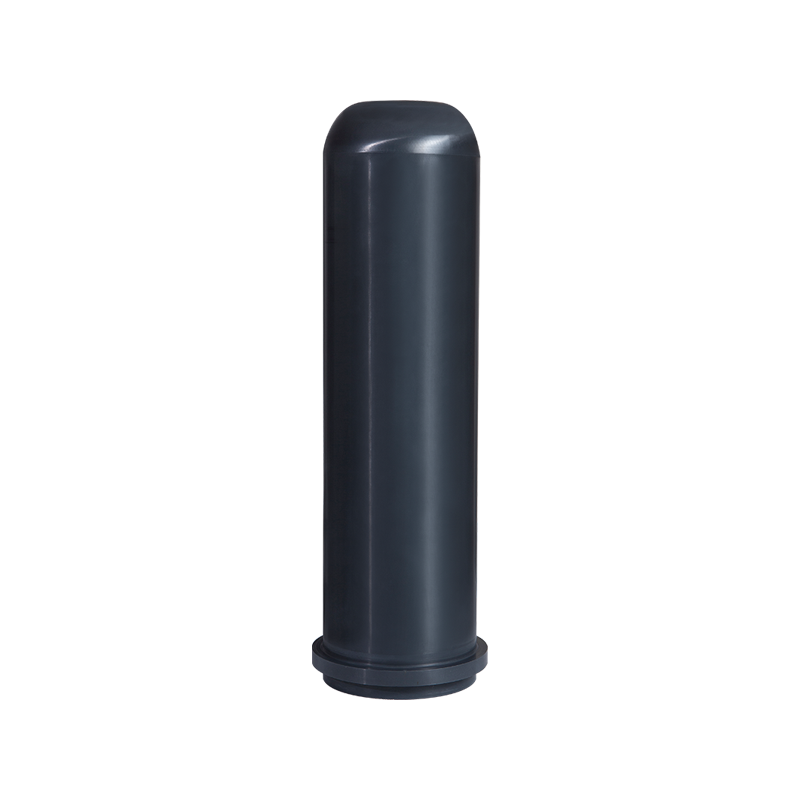
Silicon nitride (Si3N4) has emerged as the premier material for riser tubes in low-pressure die casting (LPDC) due to its exceptional thermophysical properties. Unlike traditional cast iron or ceramic fiber tubes, silicon nitride offers a unique combination of high fracture toughness and low thermal expansion. This ensures that the tube can withstand the rapid temperature fluctuations occurring during the molten aluminum delivery process without cracking. Furthermore, the material's inherent non-wetting characteristics prevent aluminum buildup on the inner and outer walls, maintaining a consistent flow diameter and reducing the risk of contamination in the final casting.
Thermal Shock Resistance and Longevity
One of the most significant practical benefits of silicon nitride riser tubes is their ability to endure "cold starts" and rapid cycling. Because the material possesses a very low coefficient of thermal expansion, it does not undergo significant volume changes when moved from room temperature to the molten metal bath (typically around 750°C). This durability directly translates to a service life that can exceed 12 months in a continuous production environment, drastically reducing the frequency of furnace shutdowns and maintenance labor costs compared to alternative materials.
Technical Specifications and Material Comparison
When evaluating riser tube options, it is essential to look at the mechanical data that separates gas-pressured sintered silicon nitride (GPSN) from other common refractory materials. The density and airtightness of GPSN ensure that the pressure applied in the furnace is efficiently converted into metal lift, preventing the "bubbling" or gas leakage that occurs with porous ceramic alternatives.
| Property | Silicon Nitride (GPSN) | Cast Iron (Coated) | Titanium Aluminum |
| Density (g/cm³) | 3.2 - 3.25 | 7.2 | 3.3 - 3.5 |
| Service Life | Up to 12+ Months | 1 - 2 Weeks | 3 - 6 Months |
| Corrosion Resistance | Excellent | Poor (Iron pickup) | Moderate |
Installation and Maintenance Best Practices
To achieve the maximum return on investment for a silicon nitride riser tube, foundries must adhere to specific handling and installation protocols. While the material is incredibly strong under operational pressure, it is a technical ceramic and can be sensitive to sharp mechanical impacts. Proper sealing at the flange and ensuring the heating elements do not create localized hot spots are critical factors for success.
- Always use high-quality ceramic fiber gaskets at the connection point to ensure an airtight seal during pressurization.
- Preheat the tube slowly if it is being installed into a furnace that is already at full operating temperature to minimize extreme localized gradients.
- Regularly inspect the flange area for any signs of mechanical stress or vibration-induced wear from the casting machine.
- Clean the tube tip periodically with a soft scraper to remove any dross that may have adhered during the furnace refill process.
Impact on Casting Quality and Scrap Reduction
The transition to silicon nitride riser tubes has a direct impact on the metallurgical quality of the produced parts. Traditional metal tubes often leach iron into the molten aluminum, leading to "iron pickup" which causes brittleness and degrades the mechanical properties of automotive components like wheels or engine blocks. Silicon nitride is chemically inert in the presence of molten aluminum, ensuring that the alloy chemistry remains pure from the holding furnace to the die cavity. This purity, combined with the smooth internal surface that minimizes turbulence, significantly reduces the percentage of scrap caused by oxide inclusions or gas porosity.
Economic Benefits for High-Volume Production
While the initial purchase price of a silicon nitride riser tube is higher than that of cast iron or aluminum titanate, the total cost of ownership is significantly lower. The reduction in downtime alone—moving from weekly tube changes to annual replacements—allows for hundreds of additional production hours. When coupled with the energy savings from superior insulation properties and the increased yield from higher quality castings, silicon nitride proves to be the most cost-effective solution for modern, high-volume aluminum foundries.
Hot Products
Contact Us for Quotes and Prices!
Just let us know what you want, and we will get in touch with you as soon as possible!

We will continue to develop and produce more advanced ceramic materials for the aluminum processing industry.
Scan the Mobile QR code
Contact
 +86-18501518842 / +86-13587222672
 +86-0572-2926332 / 2926337
 +86-0572-2926335
 [email protected] / [email protected] / [email protected]
 No.11 Building, South Taihu High-tech Intelligent Manufacturing Industrial Park, Wuxing District, Huzhou City, Zhejiang, China
Copyright© 2024 Zhejiang Shangguijuli Special Material Technology Co., Ltd. All Rights Reserved. Ceramic Material Supplier


