

Tel:+86-0572-2926332 / 2926337

E-mail:[email protected]
 REQUEST A QUOTE

 en
en  English
 简体中文
简体中文Enhancing Aluminum Foundry Efficiency: The Role of Silicon Nitride Heater Protection Tubes in Thermal Management
2025.12.24
Content
The Critical Role of Silicon Nitride in Non-Ferrous Casting
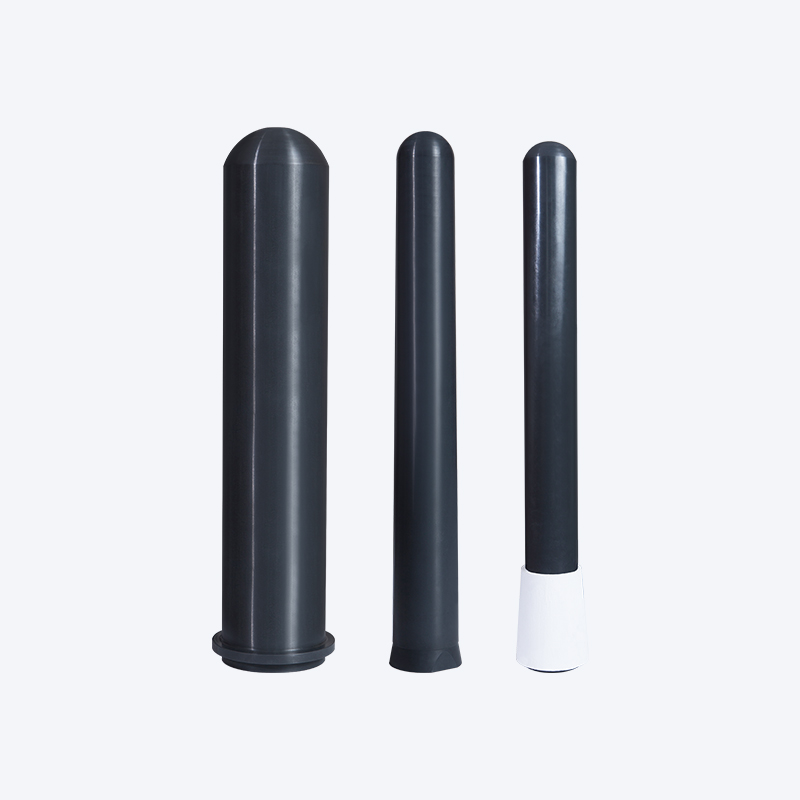
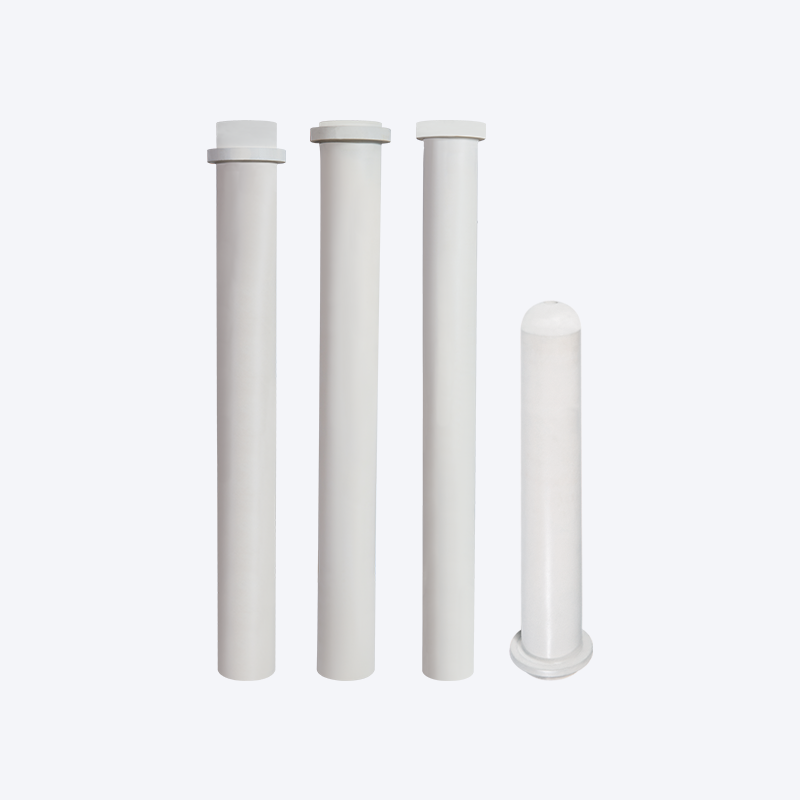
In the demanding environment of aluminum and magnesium casting, maintaining precise melt temperatures is essential for product quality. Silicon Nitride (Si3N4) heater protection tubes serve as the primary barrier between electric heating elements and the corrosive molten metal. Unlike traditional ceramic or metallic materials, silicon nitride offers a unique combination of thermal conductivity and chemical inertness, ensuring that the heating system remains functional for extended periods without contamination of the alloy.
Superior Physical and Chemical Properties
The performance of silicon nitride heater protection tubes is driven by the material's advanced molecular structure. It possesses an extremely low coefficient of thermal expansion, which translates to exceptional thermal shock resistance. This allows the tubes to be immersed in or removed from molten aluminum without the risk of cracking or shattering. Furthermore, silicon nitride is non-wetting to aluminum, meaning the molten metal does not adhere to the surface, significantly reducing maintenance downtime and dross buildup.
Key Material Advantages
- High mechanical strength at temperatures exceeding 1000°C.
- Excellent electrical insulation to prevent short circuits in heating elements.
- Superior corrosion resistance against aggressive fluxing agents.
- High thermal conductivity to ensure efficient heat transfer from the element to the melt.
Comparative Performance Analysis
When evaluating protection tubes, foundries often compare silicon nitride against silicon carbide or cast iron. While silicon nitride has a higher initial acquisition cost, its service life is typically five to ten times longer than that of its competitors. This longevity results in a much lower total cost of ownership by reducing the frequency of heater replacements and minimizing the risk of "iron pick-up" which can ruin high-purity aluminum batches.
| Property | Silicon Nitride (Si3N4) | Silicon Carbide (SiC) | Cast Iron |
| Thermal Shock Resistance | Excellent | Moderate | Good |
| Corrosion Resistance | Highest | High | Low |
| Service Life | 12+ Months | 3-6 Months | 1-2 Weeks |
Installation and Maintenance Best Practices
To maximize the lifespan of a silicon nitride heater protection tube, proper handling is essential. Although the material is robust at high temperatures, it remains a ceramic and is susceptible to impact damage. During installation, ensure that the tube is centered correctly within the furnace and that no mechanical stress is applied to the flange. Regular inspection for dross accumulation around the waterline can prevent uneven thermal stresses that might lead to premature fatigue.
Operational Considerations
It is recommended to preheat the protection tube slowly if it has been stored in a damp environment to drive off any residual moisture. While Si3N4 can handle rapid temperature changes, a controlled ramp-up during the initial furnace start-up will ensure the integrity of both the heater element and the protection tube. Additionally, ensuring a tight seal at the mounting point prevents corrosive gases from escaping the furnace and damaging the electrical connections of the heater.
Applications in Modern Degassing and Holding Furnaces
Beyond simple holding furnaces, silicon nitride protection tubes are integral to modern degassing units. In these systems, heaters must maintain precise temperatures while the melt is agitated by rotors. The high fracture toughness of silicon nitride allows the tubes to withstand the mechanical vibrations and turbulence inherent in the degassing process. This reliability ensures consistent metal quality, which is vital for automotive and aerospace components where structural integrity is non-negotiable.
Hot Products

Contact Us for Quotes and Prices!
Just let us know what you want, and we will get in touch with you as soon as possible!

We will continue to develop and produce more advanced ceramic materials for the aluminum processing industry.
Scan the Mobile QR code
Contact
 +86-18501518842 / +86-13587222672
 +86-0572-2926332 / 2926337
 +86-0572-2926335
 [email protected] / [email protected] / [email protected]
 No.11 Building, South Taihu High-tech Intelligent Manufacturing Industrial Park, Wuxing District, Huzhou City, Zhejiang, China
Copyright© 2024 Zhejiang Shangguijuli Special Material Technology Co., Ltd. All Rights Reserved. Ceramic Material Supplier


