

Tel:+86-0572-2926332 / 2926337

E-mail:[email protected]
 REQUEST A QUOTE

 en
en  English
 简体中文
简体中文Everything You Need to Know About Silicon Nitride Stopper Tubes
2026.05.26
Content
- 1 What Is a Silicon Nitride Stopper Tube and Why Does It Matter?
- 2 Key Material Properties That Make Si₃N₄ Stopper Tubes Stand Out
- 3 Common Applications of Silicon Nitride Stopper Tubes
- 4 Silicon Nitride vs. Other Stopper Tube Materials: A Direct Comparison
- 5 How Silicon Nitride Stopper Tubes Are Manufactured
- 6 Selecting the Right Silicon Nitride Stopper Tube for Your Application
- 7 Installation, Handling, and Maintenance Tips
- 8 Signs That Your Silicon Nitride Stopper Tube Needs Replacing
- 9 Industry Trends: Where Silicon Nitride Stopper Tubes Are Heading
What Is a Silicon Nitride Stopper Tube and Why Does It Matter?
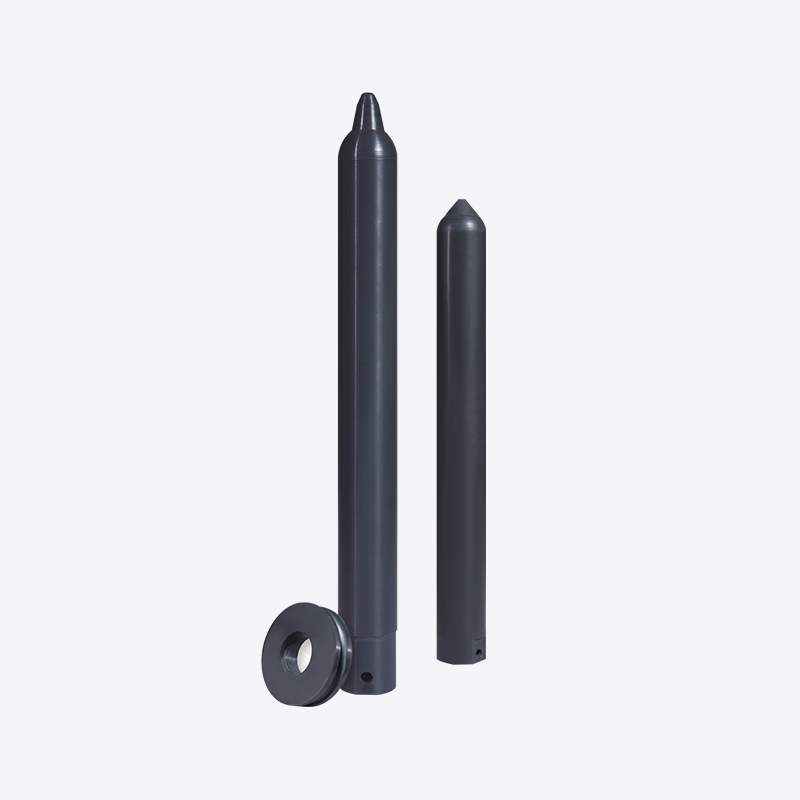
A silicon nitride stopper tube is a precision ceramic component widely used in metal casting and high-temperature industrial processes. Made from silicon nitride (Si₃N₄), these tubes are engineered to control and stop the flow of molten metal — especially aluminum, zinc, and their alloys — during casting operations. Unlike conventional steel or graphite stoppers, silicon nitride stopper tubes offer an exceptional combination of thermal stability, corrosion resistance, and mechanical strength, making them a go-to solution in foundries and die-casting plants around the world.
The role of a stopper tube in casting is deceptively simple: it sits at the bottom of a ladle or furnace and, when raised or lowered, allows molten metal to flow into a mold or stops it entirely. But the operating environment is anything but simple — temperatures can exceed 700°C for aluminum alloys and much higher for ferrous metals, with constant thermal cycling and exposure to chemically aggressive molten metal. That's exactly where silicon nitride's material properties shine.
Key Material Properties That Make Si₃N₄ Stopper Tubes Stand Out
Silicon nitride ceramics are not just "hard" — they're engineered materials with a specific microstructure that gives them a unique property profile compared to other technical ceramics like alumina or zirconia. Here's why silicon nitride is particularly well-suited for stopper tube applications:
- Excellent thermal shock resistance: Si₃N₄ has a low coefficient of thermal expansion and high thermal conductivity (relative to other ceramics), meaning it can withstand rapid temperature changes without cracking — a critical requirement when a stopper tube is repeatedly inserted into and removed from molten metal.
- Non-wetting behavior with aluminum: Molten aluminum does not readily wet or stick to silicon nitride surfaces. This prevents metal buildup on the tube over time, maintaining a clean sealing surface and consistent flow control.
- High hardness and wear resistance: With a Vickers hardness typically in the range of 1400–1700 HV, silicon nitride stopper tubes resist erosion caused by abrasive molten metal flow over extended service cycles.
- Oxidation resistance at high temperatures: Si₃N₄ forms a protective SiO₂ passivation layer when exposed to oxygen at elevated temperatures, giving it solid long-term stability in oxidizing atmospheres.
- Chemical inertness: The tube is largely inert to aluminum, zinc, brass, and most non-ferrous alloys, reducing contamination risk in finished castings.
Common Applications of Silicon Nitride Stopper Tubes
Silicon nitride stopper tubes are used across a range of casting and metallurgical processes. The most common application areas include:
Aluminum Low-Pressure Die Casting (LPDC)
In low-pressure die casting, a silicon nitride stopper tube (sometimes called a riser tube or stalk tube in this context) is inserted into the furnace and used to push molten aluminum up into the die under controlled gas pressure. The non-wetting nature of Si₃N₄ is critical here — any aluminum adhesion to the tube's inner surface would compromise pressure sealing and lead to casting defects. Silicon nitride riser tubes in LPDC setups typically have long service lives, often 30,000 to 80,000 cycles depending on the alloy and process parameters.
Continuous Casting of Steel and Non-Ferrous Metals
In continuous casting lines, flow control components — including stopper rods and submerged entry nozzles — are exposed to extreme thermal and chemical conditions. Silicon nitride-based composites, including Si₃N₄-bonded SiC (silicon carbide) hybrids, are used in these environments for their combination of thermal shock resistance and erosion resistance. Pure Si₃N₄ stopper tubes are particularly prevalent in non-ferrous continuous casting (e.g., copper and aluminum rod casting).
Gravity and Tilt Casting
In gravity and tilt pour casting operations, silicon nitride stopper tubes are used at the ladle or crucible outlet to regulate timed metal release. The precision of flow control directly affects filling speed and turbulence in the mold cavity, both of which influence casting quality. Si₃N₄ stoppers allow reliable, repeatable on-off flow control without degrading over typical production run lengths.
Semiconductor and Specialty Metallurgy
Silicon nitride stopper tubes also appear in high-purity metal processing environments, including silicon crystal growing (Czochralski process ancillary equipment) and specialty alloy casting where metal contamination must be minimized. The chemical purity of Si₃N₄ components makes them preferable over metallic alternatives in these sensitive applications.
Silicon Nitride vs. Other Stopper Tube Materials: A Direct Comparison
To understand why silicon nitride is often the preferred choice, it helps to compare it directly against competing materials used for stopper tubes and related casting components:
| Material | Thermal Shock Resistance | Non-Wetting (Al) | Service Life | Cost |
| Silicon Nitride (Si₃N₄) | Excellent | Yes | Very Long | Medium–High |
| Alumina (Al₂O₃) | Poor–Moderate | Partial | Short–Medium | Low |
| Boron Nitride (BN) | Good | Excellent | Medium | High |
| Graphite / Carbon | Good | Moderate | Short | Low–Medium |
| Si₃N₄-Bonded SiC | Very Good | Yes | Long | Medium |
| Steel / Cast Iron | Poor | No | Very Short | Very Low |
As the table shows, silicon nitride delivers a compelling combination of thermal shock resistance and non-wetting behavior that neither alumina nor graphite can match. While boron nitride (BN) offers excellent non-wetting properties, it is softer, more prone to mechanical damage, and significantly more expensive. Si₃N₄ hits the best overall performance-to-cost balance for most non-ferrous casting applications.
How Silicon Nitride Stopper Tubes Are Manufactured
The manufacturing process for silicon nitride stopper tubes significantly affects their final properties. There are two dominant fabrication routes:
Reaction Bonded Silicon Nitride (RBSN)
In the RBSN process, silicon powder compacts are formed into the desired tube shape and then nitrided in a nitrogen atmosphere at around 1200–1450°C. The silicon reacts with nitrogen to form Si₃N₄ in situ. RBSN parts have near-zero dimensional change during sintering, which is advantageous for tight-tolerance components. However, RBSN typically contains 15–25% residual porosity, which slightly limits its mechanical strength compared to fully dense alternatives. It remains widely used for stopper tubes where cost-efficiency and dimensional accuracy are priorities.
Sintered or Hot-Pressed Silicon Nitride (SSN / HPSN)
Sintered silicon nitride (SSN) and hot-pressed silicon nitride (HPSN) use densification aids (such as yttria and alumina) to produce nearly fully dense bodies with superior strength and fracture toughness. These grades are harder, stronger, and more resistant to erosion than RBSN, but they are more expensive and require precision machining after sintering due to slight dimensional changes. For demanding stopper tube applications — high cycling rates, aggressive alloys, or tight sealing tolerances — SSN or HPSN is generally preferred.
Selecting the Right Silicon Nitride Stopper Tube for Your Application
Not all silicon nitride stopper tubes are interchangeable. Choosing the right specification depends on several process-specific factors:
- Metal type and temperature: Aluminum alloys at 680–750°C, zinc alloys at 400–450°C, and copper alloys at 1000–1100°C each place different demands on the tube. Higher operating temperatures typically require denser, higher-purity Si₃N₄ grades.
- Tube geometry and tolerances: The seating surface must seal effectively with the pour cup or nozzle seat. Diameter, taper angle, length, and wall thickness must match the specific casting machine design. Custom grinding of the sealing surfaces is common.
- Cycling frequency: High-production casting cells with short cycle times (e.g., 60–90 seconds per shot) place heavier thermal fatigue demands on the stopper tube. Denser grades with higher fracture toughness will outlast RBSN grades in these environments.
- Alloy cleanliness requirements: In aerospace or automotive structural casting where inclusion content is tightly controlled, higher-purity Si₃N₄ grades reduce the risk of ceramic contamination from tube erosion.
- Budget and total cost of ownership: A cheaper alumina tube may seem attractive upfront but if it requires replacement every 5,000 cycles versus 50,000 cycles for a Si₃N₄ tube, the total cost — including downtime and labor — often makes silicon nitride the more economical choice.
Installation, Handling, and Maintenance Tips
Getting the most out of a silicon nitride stopper tube requires proper handling and installation practices. Ceramic components are strong under compression but relatively brittle under tensile or impact loads — a dropped tube can crack even if it appears undamaged externally.
- Preheat before immersion: Even though Si₃N₄ has excellent thermal shock resistance, preheating the stopper tube to 200–400°C before inserting it into a molten metal bath extends service life and reduces the risk of sudden thermal cracking on first contact.
- Inspect sealing surfaces regularly: The seating face of the stopper tube that contacts the pour cup or nozzle should be inspected after every production run for erosion, chipping, or metal deposit buildup. Even minor damage to this surface can cause leaks or uncontrolled metal flow.
- Avoid mechanical impact: Never use hammers or hard tools to install or remove silicon nitride stopper tubes. Use padded clamps and follow the equipment manufacturer's installation guidelines.
- Store correctly: Keep spare tubes in dry, impact-protected storage. Temperature cycling between cold storage and a hot foundry environment can cause moisture condensation in porous RBSN grades, which can lead to steam-induced cracking on first use if not dried out.
- Record cycle counts: Track the number of shots per tube. Even before visible wear appears, internal microcracking can develop over time. Establishing a preventive replacement schedule based on actual production data is much safer than waiting for a tube to fail mid-run.
Signs That Your Silicon Nitride Stopper Tube Needs Replacing
Recognizing early warning signs of stopper tube degradation helps prevent unplanned downtime and casting defects. Watch out for:
- Visible erosion or material loss at the sealing tip or outer bore, especially if it's become asymmetrical
- Metal leakage around the stopper seat when the tube is in the closed position
- Visible surface cracking, especially near the immersion zone
- Increased fill-time variability between shots, suggesting inconsistent flow control
- Metal adhesion or aluminum buildup on the tube surface that can't be cleaned off without damaging the ceramic
- A hollow sound when lightly tapped, suggesting internal delamination (compared to a solid ring in a healthy tube)
Industry Trends: Where Silicon Nitride Stopper Tubes Are Heading
The demand for silicon nitride stopper tubes is being driven by several converging industry trends. The rapid growth of electric vehicle (EV) production has significantly increased demand for high-quality aluminum structural castings — battery housings, motor mounts, chassis components — where casting quality requirements are extremely strict. Silicon nitride components are increasingly specified in these supply chains precisely because of their reliability and low contamination risk.
At the same time, foundries are under pressure to reduce scrap rates, extend tooling life, and minimize unplanned downtime. Silicon nitride stopper tubes directly address all three: their long service life reduces replacement frequency, their non-wetting properties lower inclusion-related scrap, and their reliability reduces unexpected failures. For foundries operating 24/7, the total cost justification for premium Si₃N₄ stopper tubes over cheaper alternatives has never been clearer.
Material innovation is also progressing. Composite grades combining Si₃N₄ with additions of boron nitride or SiC whiskers are being developed to further improve fracture toughness and thermal shock resistance beyond what monolithic silicon nitride can achieve. These next-generation materials are already appearing in the most demanding casting applications and are expected to become more widely available over the next few years.
Hot Products
Contact Us for Quotes and Prices!
Just let us know what you want, and we will get in touch with you as soon as possible!

We will continue to develop and produce more advanced ceramic materials for the aluminum processing industry.
Scan the Mobile QR code
Contact
 +86-18501518842 / +86-13587222672
 +86-0572-2926332 / 2926337
 +86-0572-2926335
 [email protected] / [email protected] / [email protected]
 No.11 Building, South Taihu High-tech Intelligent Manufacturing Industrial Park, Wuxing District, Huzhou City, Zhejiang, China
Copyright© 2024 Zhejiang Shangguijuli Special Material Technology Co., Ltd. All Rights Reserved. Ceramic Material Supplier


