

Tel:+86-0572-2926332 / 2926337

E-mail:[email protected]
 REQUEST A QUOTE

 en
en  English
 简体中文
简体中文Silicon Nitride Heater Protection Tube: Why It Outlasts Everything Else in Molten Metal
2026.08.25
Content
- 1 What Is a Silicon Nitride Heater Protection Tube?
- 2 Why Silicon Nitride Outperforms Other Protection Tube Materials
- 3 Where Silicon Nitride Protection Tubes Are Used
- 4 How to Choose the Right Silicon Nitride Heater Protection Tube
- 5 Installation and Maintenance Tips That Extend Tube Life
- 6 Is Silicon Nitride Worth the Higher Upfront Cost?
What Is a Silicon Nitride Heater Protection Tube?
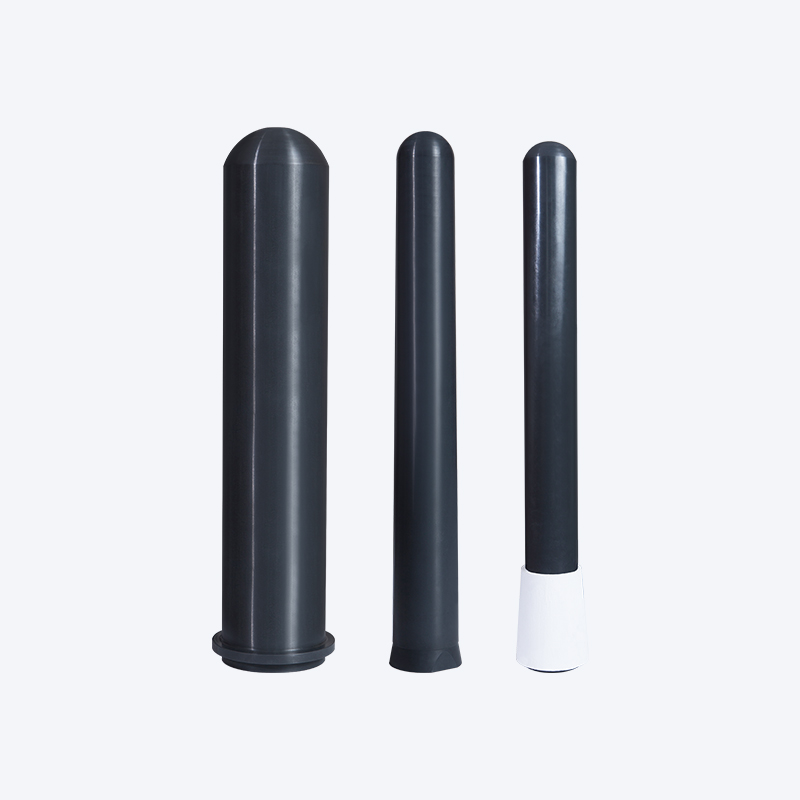
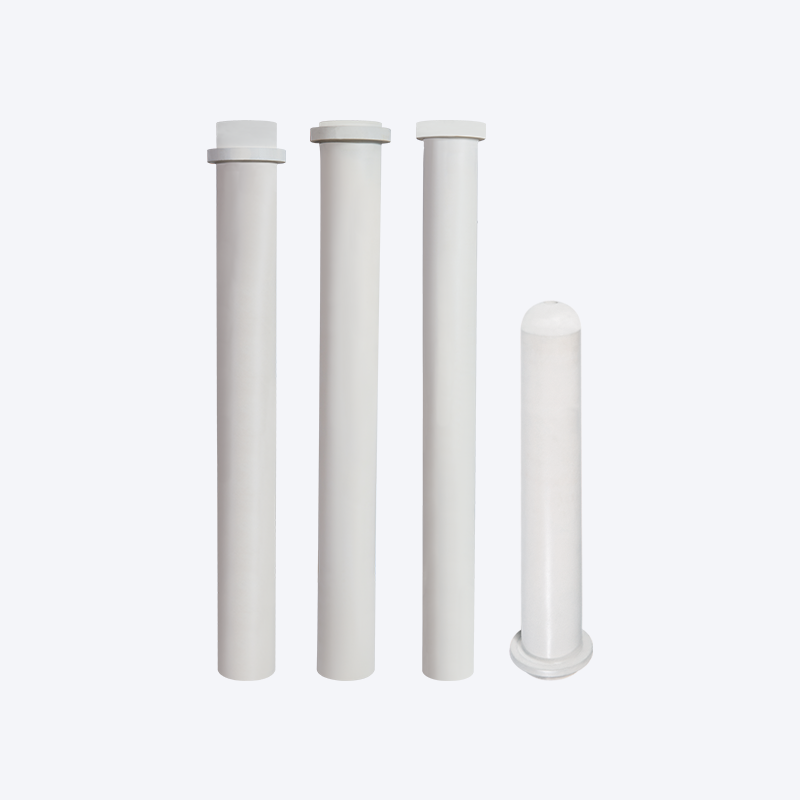
A silicon nitride heater protection tube is a ceramic sleeve used to shield electric heating elements, thermocouples, or immersion sensors from direct contact with molten metal, corrosive gases, and extreme thermal shock. Made from reaction-bonded or sintered silicon nitride (often combined with SiAlON compositions), these tubes are engineered specifically for environments where ordinary ceramics like alumina or quartz fail quickly. In aluminum die casting, holding furnaces, and non-ferrous smelting operations, the protection tube is what allows a heater to sit inside molten metal for months instead of days.
The core value of a silicon nitride heater protection tube comes down to one thing: it does not get wetted or corroded by molten aluminum. Most refractory materials react chemically with liquid aluminum over time, forming a corrosive layer that eats through the tube wall. Silicon nitride resists this reaction, which is why it has become the standard choice for immersion heaters and thermocouple protection in the aluminum industry.
Why Silicon Nitride Outperforms Other Protection Tube Materials
Furnace operators typically compare silicon nitride against silicon carbide, alumina, quartz, and cast iron when selecting a protection tube. Each material has trade-offs, but silicon nitride consistently wins on the properties that matter most in molten metal service: thermal shock resistance, corrosion resistance, and mechanical strength at high temperature.
Thermal Shock Resistance
Heater protection tubes are constantly cycled — pulled out for maintenance, cooled, then reinserted into molten metal at 700–800°C. Silicon nitride has a low coefficient of thermal expansion and high fracture toughness, so it can absorb rapid temperature swings without cracking. Alumina and quartz tubes, by contrast, are prone to shattering under the same conditions.
Corrosion and Wetting Resistance
Molten aluminum is notoriously aggressive toward ceramics. Silicon nitride forms a thin, stable oxide layer on its surface that resists wetting, meaning the aluminum does not stick to or chemically attack the tube. This dramatically slows wall thinning and extends service life compared to silicon carbide, which can react with aluminum over extended exposure.
| Material | Thermal Shock Resistance | Corrosion Resistance in Molten Al | Typical Service Life |
| Silicon Nitride | Excellent | Excellent | 12–24 months |
| Silicon Carbide | Good | Moderate | 4–8 months |
| Alumina | Poor | Moderate | 1–3 months |
| Quartz | Poor | Poor | Weeks |
| Cast Iron | Fair | Poor | 1–2 months |
Where Silicon Nitride Protection Tubes Are Used
These tubes are not a general-purpose product — they are built for specific high-temperature, metal-contact applications. Understanding where they fit helps clarify whether this is the right solution for your process.
- Aluminum holding and melting furnaces, where immersion heaters sit directly in the melt
- Die casting machines, protecting thermocouples that monitor bath temperature
- Zinc and magnesium alloy processing, where corrosive fumes attack unprotected metal components
- Continuous casting lines, where thermal cycling is frequent and downtime is costly
- Degassing units and molten metal pumps, where the tube must resist both heat and mechanical wear
How to Choose the Right Silicon Nitride Heater Protection Tube
Not all silicon nitride tubes are made equal, and picking the wrong specification can shorten service life significantly even with the right base material. A few factors deserve close attention before ordering.
Wall Thickness and Diameter
Thicker walls resist mechanical impact and erosion better, but they also slow down heat transfer, which matters for heater response time. Most industrial applications use wall thicknesses between 3mm and 6mm, balancing durability against thermal efficiency. Diameter should match the heating element or thermocouple snugly, with enough clearance to allow easy insertion and removal without excess air gap.
Closed-End vs Open-End Design
Closed-end (blind-hole) tubes are standard for immersion heaters, sealing the heating element completely away from the melt. Open-end tubes are sometimes used for flow-through applications like degassing lances. Confirm which configuration your equipment requires before ordering, since retrofitting the wrong style can mean costly downtime.
Manufacturing Process
Reaction-bonded silicon nitride (RBSN) tubes are generally more cost-effective, while sintered silicon nitride (SSN) or SiAlON-bonded tubes offer higher density and better corrosion resistance. For long-term molten aluminum service, SiAlON-bonded silicon nitride is usually the preferred grade despite the higher upfront cost, because it pays for itself through fewer replacements and less unplanned downtime.
Installation and Maintenance Tips That Extend Tube Life
Even the best silicon nitride heater protection tube can fail prematurely if handled incorrectly. Following a few practical guidelines during installation and daily operation makes a measurable difference in service life.
- Preheat the tube gradually before first immersion to avoid thermal shock from a cold start
- Avoid dropping or knocking the tube against the furnace wall or crucible edge during insertion
- Never remove the tube from molten metal and expose it directly to cold air or water
- Inspect for surface pitting or dross buildup during scheduled furnace cleaning
- Keep a spare tube on hand, since replacement lead times can otherwise stall production
Operators who follow a consistent preheating and handling routine often report service life at the higher end of the typical range, while inconsistent handling is the most common cause of early tube failure — even when the material itself is high quality.
Is Silicon Nitride Worth the Higher Upfront Cost?
Silicon nitride heater protection tubes cost more per unit than alumina or cast iron alternatives, which leads some buyers to hesitate. But the real comparison is cost per operating hour, not cost per tube. A silicon nitride tube that lasts 18 months and prevents unplanned furnace shutdowns typically costs far less over time than cheaper tubes that need replacing every one to two months, especially once labor, downtime, and scrap losses from a failed tube are factored in. For any operation running continuous or near-continuous molten aluminum processing, silicon nitride protection tubes are generally the more economical choice despite the higher sticker price.
Hot Products

Contact Us for Quotes and Prices!
Just let us know what you want, and we will get in touch with you as soon as possible!

We will continue to develop and produce more advanced ceramic materials for the aluminum processing industry.
Scan the Mobile QR code
Contact
 +86-18501518842 / +86-13587222672
 +86-0572-2926332 / 2926337
 +86-0572-2926335
 [email protected] / [email protected] / [email protected]
 No.11 Building, South Taihu High-tech Intelligent Manufacturing Industrial Park, Wuxing District, Huzhou City, Zhejiang, China
Copyright© 2024 Zhejiang Shangguijuli Special Material Technology Co., Ltd. All Rights Reserved. Ceramic Material Supplier


