

Tel:+86-0572-2926332 / 2926337

E-mail:[email protected]
 REQUEST A QUOTE

 en
en  English
 简体中文
简体中文Silicon Nitride Ceramic Degassing Rotor: Why Foundries Are Switching and What You Should Know
2026.08.17
Content
- 1 What Exactly Is a Silicon Nitride Ceramic Degassing Rotor?
- 2 How the Rotor Improves Melt Quality
- 3 Silicon Nitride Rotor vs Graphite Rotor: A Side-by-Side Look
- 4 Where These Rotors Are Commonly Used
- 5 How to Choose the Right Rotor for Your System
- 6 Installation and Maintenance Tips That Extend Rotor Life
- 7 Is the Higher Price Tag Actually Worth It?
What Exactly Is a Silicon Nitride Ceramic Degassing Rotor?
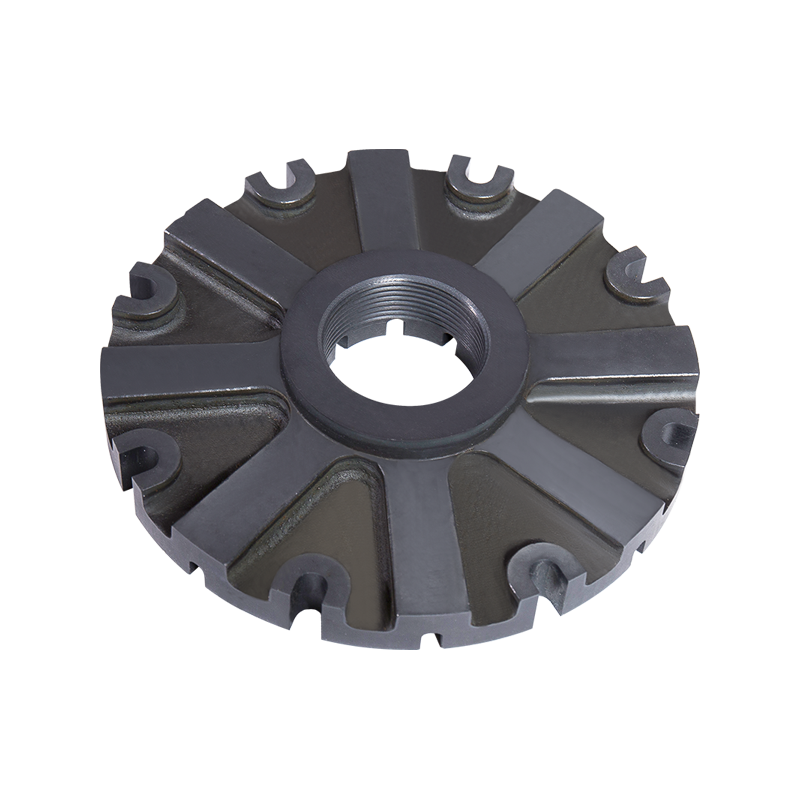
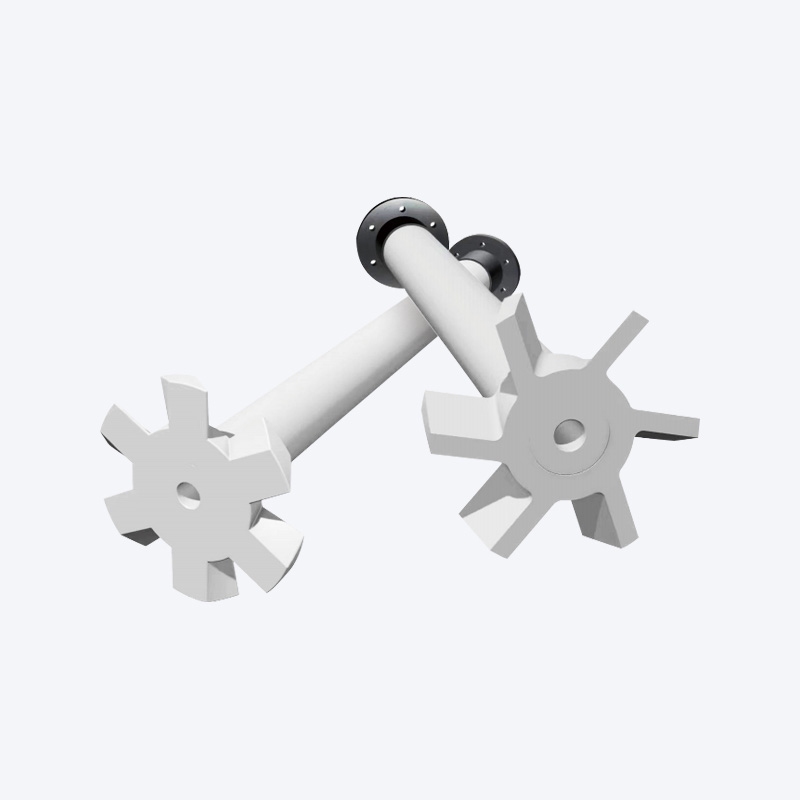
A Silicon Nitride Ceramic Degassing Rotor is a spinning tool used in aluminum and other non-ferrous metal casting operations to remove dissolved hydrogen gas and non-metallic inclusions from molten metal before it gets poured into a mold. Unlike traditional graphite rotors, this rotor is made from silicon nitride bonded silicon carbide or pure silicon nitride ceramic material, which gives it much better resistance to thermal shock, oxidation, and molten metal corrosion. The rotor sits at the bottom of a treatment chamber, connects to a rotating shaft, and disperses inert gas such as nitrogen or argon into tiny bubbles throughout the melt. As these bubbles rise, they pick up hydrogen and impurities, carrying them to the surface where they can be skimmed off.
The material itself is what sets this rotor apart. Silicon nitride has a very low thermal expansion coefficient, which means it doesn't crack easily when exposed to the extreme temperature swings common in melt treatment. It also resists wetting by molten aluminum, so less metal sticks to the rotor surface, and it holds its shape and dimensions far longer than graphite equivalents.
How the Rotor Improves Melt Quality
The core job of any degassing rotor, ceramic or otherwise, is to create fine, evenly distributed gas bubbles. The finer the bubble, the larger the surface area exposed to the melt, and the more hydrogen it can absorb on its way to the surface. A Silicon Nitride Ceramic Degassing Rotor is typically machined with a specific vane or blade geometry designed to maximize shear force as it spins, breaking large gas bubbles into much smaller ones.
Key Quality Improvements You Can Expect
- Lower hydrogen content in the finished casting, reducing porosity defects
- Better removal of oxide inclusions and non-metallic particles
- More consistent bubble distribution across the treatment chamber
- Reduced metal loss due to less rotor erosion contaminating the melt
- Improved mechanical properties in the final cast product, including tensile strength and elongation
Silicon Nitride Rotor vs Graphite Rotor: A Side-by-Side Look
Foundries switching from graphite to silicon nitride ceramic rotors usually want to know if the higher upfront cost is worth it. The table below breaks down the main differences you'll notice in day-to-day operation.
| Feature | Silicon Nitride Ceramic Rotor | Graphite Rotor |
| Typical Service Life | 3 to 6 months or longer | 2 to 6 weeks |
| Thermal Shock Resistance | Excellent | Moderate |
| Oxidation Resistance | High | Low, oxidizes at high temperatures |
| Metal Contamination Risk | Very low | Higher due to erosion and flaking |
| Upfront Cost | Higher | Lower |
| Long-Term Cost per Ton Treated | Lower | Higher due to frequent replacement |
Where These Rotors Are Commonly Used
Silicon Nitride Ceramic Degassing Rotors are found across a wide range of aluminum processing environments, from small die casting shops to large-scale rolling mill operations. They're used in online degassing units installed directly in the launder system, as well as in ladle-based batch treatment stations. Some facilities also use them for magnesium and zinc alloy treatment, though aluminum remains the most common application.
Typical Application Settings
- Continuous casting and rolling mill degassing units
- Die casting foundries treating recycled and primary aluminum
- Wheel and automotive parts casting facilities
- Extrusion billet producers requiring low-porosity ingots
- Secondary aluminum smelters processing scrap material
How to Choose the Right Rotor for Your System
Not every Silicon Nitride Ceramic Degassing Rotor is built the same, and picking the wrong size or design can hurt degassing efficiency even if the material itself is top quality. Start by matching the rotor diameter and shaft connection type to your existing equipment, since rotors are typically custom fitted to specific degassing unit brands and models. Next, consider your melt throughput. Higher volume operations need rotors with blade designs optimized for faster gas dispersion without creating excessive turbulence that could reintroduce oxides into the melt.
You should also check the rotor's bulk density and porosity specifications from the manufacturer. A denser, lower-porosity ceramic body generally resists molten metal penetration better, which directly extends service life. Finally, ask about the rotor's maximum recommended rotation speed, since exceeding it can cause premature wear on the blade tips even with a durable ceramic body.
Installation and Maintenance Tips That Extend Rotor Life
Getting the most out of a Silicon Nitride Ceramic Degassing Rotor comes down to proper preheating, correct immersion depth, and routine inspection. Ceramic rotors should always be preheated gradually before contact with molten metal to avoid thermal shock, even though they handle temperature changes better than graphite. Sudden immersion into a fully molten bath without preheating remains one of the leading causes of premature cracking.
Practical Maintenance Checklist
- Preheat the rotor and shaft assembly before each installation cycle
- Set immersion depth according to manufacturer guidelines to avoid surface turbulence
- Inspect the rotor visually for cracks or chips during each metal bath changeover
- Keep rotation speed within the recommended range for your specific rotor design
- Monitor gas flow rate and pressure to ensure consistent bubble formation
- Store spare rotors in a dry environment to prevent moisture absorption before use
Is the Higher Price Tag Actually Worth It?
For most mid-to-large volume operations, the answer is yes. While a Silicon Nitride Ceramic Degassing Rotor costs more per unit than a graphite one, the extended service life, reduced downtime for rotor changes, and improved casting quality typically offset the difference within the first few months of use. Facilities running continuous or high-volume treatment lines see the fastest return, since fewer rotor changes mean less production interruption and lower labor costs associated with swapping components. Smaller shops with lower throughput may take longer to see the payback, but even then, the reduction in scrap rate from better degassing performance often justifies the switch.
Hot Products
Contact Us for Quotes and Prices!
Just let us know what you want, and we will get in touch with you as soon as possible!

We will continue to develop and produce more advanced ceramic materials for the aluminum processing industry.
Scan the Mobile QR code
Contact
 +86-18501518842 / +86-13587222672
 +86-0572-2926332 / 2926337
 +86-0572-2926335
 [email protected] / [email protected] / [email protected]
 No.11 Building, South Taihu High-tech Intelligent Manufacturing Industrial Park, Wuxing District, Huzhou City, Zhejiang, China
Copyright© 2024 Zhejiang Shangguijuli Special Material Technology Co., Ltd. All Rights Reserved. Ceramic Material Supplier


