

Tel:+86-0572-2926332 / 2926337

E-mail:[email protected]
 REQUEST A QUOTE

 en
en  English
 简体中文
简体中文What Is a Silicon Nitride Protect Tube for Thermocouple? A Simple Guide
2026.08.12
Content
- 1 What Is a Silicon Nitride Protect Tube for Thermocouple?
- 2 Why Silicon Nitride Outperforms Traditional Protection Tubes
- 3 Key Properties That Make Silicon Nitride Tubes Reliable
- 4 Typical Applications Across Industries
- 5 How to Choose the Right Silicon Nitride Protect Tube
- 6 Silicon Nitride vs Other Common Protection Tube Materials
- 7 Installation and Maintenance Tips
- 8 Common Questions About Silicon Nitride Thermocouple Protection Tubes
What Is a Silicon Nitride Protect Tube for Thermocouple?
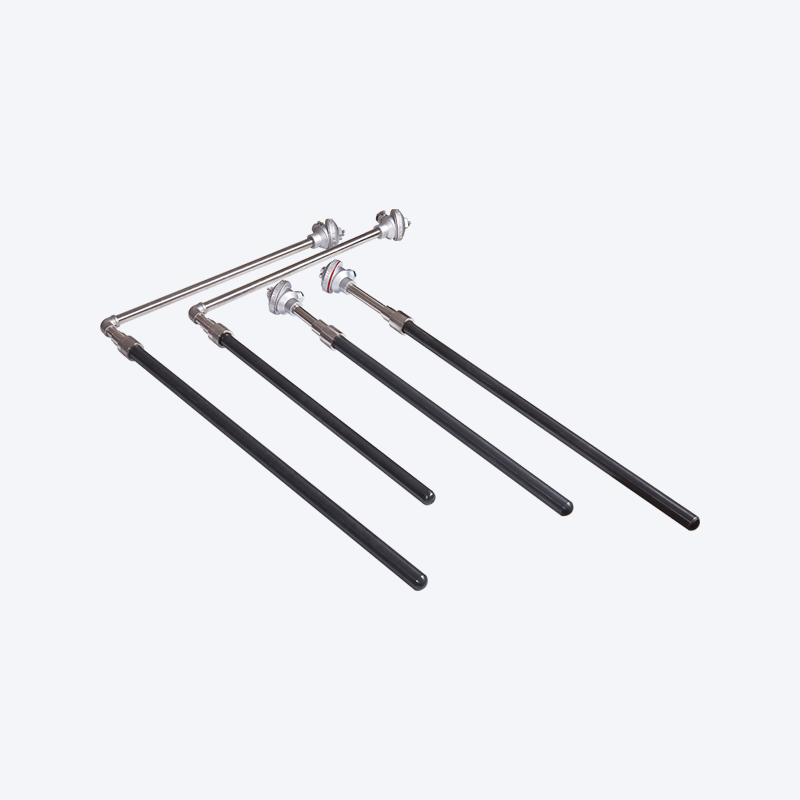
A silicon nitride protect tube for thermocouple is a ceramic sheath designed to shield a thermocouple's sensing element from molten metal, corrosive gases, mechanical erosion, and thermal shock during high-temperature measurement. Unlike traditional metallic or oxide-based protection tubes, silicon nitride tubes are engineered from a covalently bonded ceramic material that combines exceptional thermal shock resistance with outstanding strength at elevated temperatures. This makes them a go-to choice in foundries, smelters, and glass plants where a thermocouple needs to survive repeated dips into molten aluminum, zinc, or other non-ferrous metals without cracking or dissolving.
Because temperature readings in these environments directly affect product quality and process safety, the protection tube isn't just a passive housing — it's a critical component that determines how long a thermocouple lasts and how accurate its readings remain over time. A silicon nitride protect tube for thermocouple bridges the gap between the fragility of ceramics and the toughness demanded by industrial furnaces.
Why Silicon Nitride Outperforms Traditional Protection Tubes
Plants that switch from metallic or standard ceramic tubes to silicon nitride thermocouple protection tubes usually do so after experiencing repeated tube failures, contamination of the molten bath, or inconsistent temperature readings. Silicon nitride solves several of these pain points at once.
Resistance to Molten Metal Attack
Molten aluminum is notoriously aggressive toward many refractory materials, dissolving oxide-based ceramics and corroding steel sheaths within days. Silicon nitride resists wetting and chemical attack from molten aluminum, zinc, and other non-ferrous alloys far better than alumina or silicon carbide tubes, which extends service life significantly.
Thermal Shock Tolerance
Repeated dipping and withdrawal from a furnace creates rapid heating and cooling cycles that shatter many ceramic tubes. Silicon nitride's low thermal expansion coefficient combined with high thermal conductivity allows it to absorb these thermal swings without cracking, a property that sets it apart from mullite or fused silica alternatives.
Mechanical Strength at High Temperature
Silicon nitride retains a large portion of its room-temperature strength even above 1200°C, which reduces the risk of tube collapse under mechanical stress from stirring, metal flow, or accidental impact inside the furnace.
Key Properties That Make Silicon Nitride Tubes Reliable
Understanding the material properties behind a silicon nitride protect tube for thermocouple helps buyers evaluate whether it fits their process conditions. The following characteristics are commonly cited by manufacturers and end users alike.
- Operating temperature typically up to 1400°C, with some grades rated higher for short-term exposure
- Excellent resistance to thermal shock, tolerating rapid immersion into molten metal
- Low thermal expansion coefficient, reducing stress buildup during heating and cooling
- High flexural strength that stays stable even at elevated temperatures
- Strong resistance to erosion from molten aluminum, zinc, brass, and copper alloys
- Good electrical insulation, preventing interference with thermocouple signal accuracy
- Resistance to oxidation in both reducing and oxidizing furnace atmospheres
Typical Applications Across Industries
Silicon nitride thermocouple protection tubes show up wherever accurate temperature control matters and the sensing environment is harsh. Some of the most common use cases include:
- Aluminum die casting and smelting operations, where tubes are repeatedly immersed in molten aluminum baths
- Zinc galvanizing lines, protecting sensors from molten zinc and its associated fumes
- Non-ferrous metal foundries producing brass, bronze, or copper alloy castings
- Glass melting furnaces requiring stable readings in chemically aggressive atmospheres
- Heat treatment furnaces used in metallurgical and ceramic processing
In each of these settings, the protection tube isn't a minor accessory — it's what keeps the thermocouple functional long enough to justify its installation cost, and it prevents costly unplanned shutdowns caused by sensor failure.
How to Choose the Right Silicon Nitride Protect Tube
Not all silicon nitride tubes are made equal, and selecting the wrong specification can shorten service life dramatically. Consider the following factors before purchasing.
Tube Dimensions and Wall Thickness
Longer immersion depths and larger furnaces generally require thicker walls for structural stability, but excessive thickness slows thermal response time. Balancing wall thickness against response speed is essential for processes that need fast, accurate readings.
Purity and Manufacturing Method
Reaction-bonded silicon nitride and sintered silicon nitride offer different density and porosity levels, which affect both mechanical strength and resistance to molten metal penetration. Higher-density, fully sintered tubes generally perform better in aggressive molten aluminum environments.
Compatibility With Thermocouple Type
Confirm that the tube's internal diameter and closed-end design match the thermocouple element being used, whether it is a Type K, Type S, or Type B thermocouple, to ensure a proper seal against gas ingress.
Silicon Nitride vs Other Common Protection Tube Materials
The table below compares silicon nitride against other frequently used thermocouple protection tube materials to help clarify where it holds an advantage.
| Material | Max Operating Temp | Thermal Shock Resistance | Molten Aluminum Resistance |
| Silicon Nitride | Up to 1400°C | Excellent | Excellent |
| Alumina (Al2O3) | Up to 1600°C | Poor | Poor |
| Silicon Carbide | Up to 1500°C | Good | Fair |
| Stainless Steel | Up to 900°C | Fair | Poor |
| Fused Silica | Up to 1100°C | Good | Poor |
Installation and Maintenance Tips
Even the best silicon nitride protect tube for thermocouple will fail prematurely if handled or installed incorrectly. Following a few practical guidelines can significantly extend service life.
- Preheat the tube gradually before first immersion to avoid thermal shock from a cold start
- Avoid dragging the tube against furnace walls or solid metal charges, since silicon nitride is strong but not immune to impact damage
- Inspect the tube regularly for surface pitting or thinning, especially at the immersion line where erosion is most severe
- Store spare tubes in a dry environment to prevent moisture absorption that can trigger cracking during reheating
- Replace the tube proactively once wall thickness drops below the manufacturer's recommended minimum, rather than waiting for failure
Common Questions About Silicon Nitride Thermocouple Protection Tubes
How long does a silicon nitride protection tube typically last?
Service life varies by application, but many silicon nitride tubes used in aluminum melting operations last several months to over a year under continuous immersion, considerably longer than most oxide-ceramic alternatives.
Can silicon nitride tubes be used with any thermocouple type?
Yes, silicon nitride tubes are compatible with common base-metal and noble-metal thermocouples, as long as the internal bore size and closed-tip geometry match the sensor being protected.
Is silicon nitride more expensive than other protection tube materials?
The upfront cost is generally higher than steel or fused silica tubes, but the extended service life and reduced downtime often make silicon nitride more cost-effective over the long run, particularly in molten aluminum applications.
Hot Products

Contact Us for Quotes and Prices!
Just let us know what you want, and we will get in touch with you as soon as possible!

We will continue to develop and produce more advanced ceramic materials for the aluminum processing industry.
Scan the Mobile QR code
Contact
 +86-18501518842 / +86-13587222672
 +86-0572-2926332 / 2926337
 +86-0572-2926335
 [email protected] / [email protected] / [email protected]
 No.11 Building, South Taihu High-tech Intelligent Manufacturing Industrial Park, Wuxing District, Huzhou City, Zhejiang, China
Copyright© 2024 Zhejiang Shangguijuli Special Material Technology Co., Ltd. All Rights Reserved. Ceramic Material Supplier


