

Tel:+86-0572-2926332 / 2926337

E-mail:[email protected]
 REQUEST A QUOTE

 en
en  English
 简体中文
简体中文Silicon Nitride Stopper Valve: Why Steel Mills Trust This Ceramic Component
2026.08.04
In steel casting operations, controlling the flow of molten metal from the ladle to the tundish or mold is one of the most critical — and most demanding — jobs any component performs. Temperatures routinely exceed 1500°C, and the material in contact with molten steel must withstand thermal shock, chemical erosion, and mechanical stress cycle after cycle without failing. This is precisely the environment a silicon nitride stopper valve is engineered for. As a refractory component made from advanced ceramic material, it plays a central role in precision flow control during continuous casting, and its adoption has grown significantly as steel producers look for ways to improve casting consistency, reduce downtime, and extend service life compared to older refractory materials. This article explains what a silicon nitride stopper valve is, how it functions within the casting process, and what factors matter most when selecting one.
Content
- 1 What Is a Silicon Nitride Stopper Valve and Where It's Used
- 2 Why Silicon Nitride Outperforms Traditional Refractory Materials
- 3 Key Functions of a Stopper Valve in the Continuous Casting Process
- 4 Comparing Silicon Nitride Stopper Valves to Other Refractory Options
- 5 Factors to Consider When Selecting a Silicon Nitride Stopper Valve
- 6 Installation and Handling Best Practices
- 7 Signs a Stopper Valve Needs Inspection or Replacement
What Is a Silicon Nitride Stopper Valve and Where It's Used
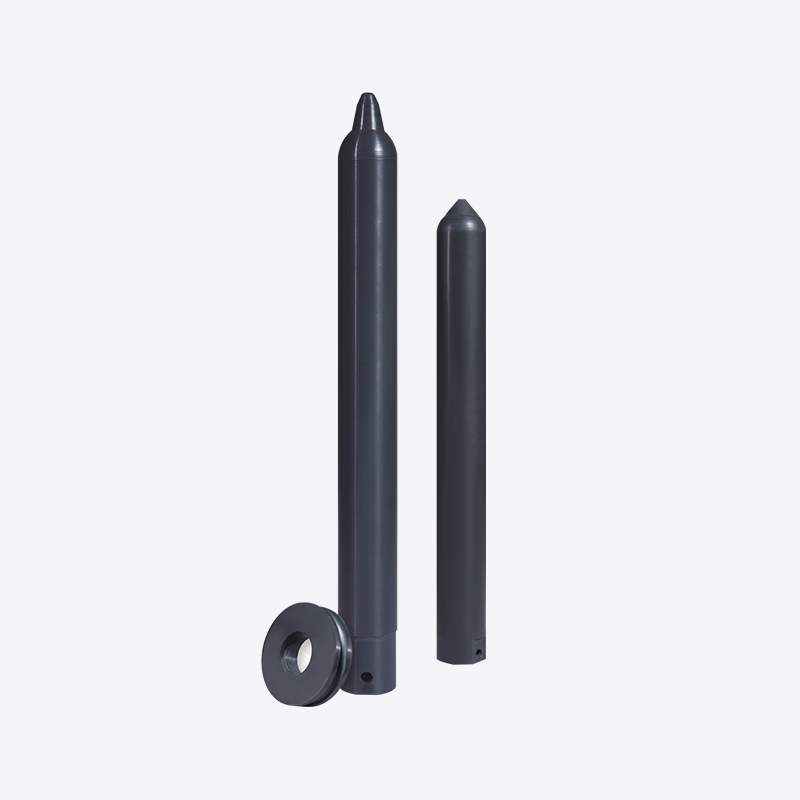
A silicon nitride stopper valve is a refractory ceramic component used to control the flow of molten steel from a ladle into a tundish during the continuous casting process. It typically works in conjunction with a stopper rod mechanism, where vertical movement of the rod opens or closes the nozzle opening, regulating flow rate and allowing operators to maintain a consistent casting speed.
Silicon nitride, a technical ceramic known for its exceptional thermal shock resistance and mechanical strength, is used either as the primary material for the stopper head or as a protective sleeve or coating over a core refractory structure. This combination allows the valve to endure the extreme thermal cycling and erosive conditions present at the point of contact with molten steel, a location where lesser materials tend to degrade quickly.
Why Silicon Nitride Outperforms Traditional Refractory Materials
Before silicon nitride became widely adopted, stopper valves were commonly made from materials such as fused silica, magnesia-based refractories, or alumina-graphite composites. While functional, these materials often suffered from rapid erosion, cracking under thermal cycling, or chemical reaction with molten steel, all of which shortened service life and increased the risk of casting interruptions.
Silicon nitride addresses many of these shortcomings through its unique combination of physical properties. Its low thermal expansion coefficient allows it to resist the cracking that typically occurs when a material is rapidly heated or cooled, a phenomenon known as thermal shock. At the same time, its high mechanical strength and hardness provide resistance against erosion caused by the constant flow of molten steel and any entrained particulates, allowing the valve to maintain a consistent flow-control opening over a longer service period.
Chemical Stability Against Molten Steel
Beyond thermal and mechanical resistance, silicon nitride also demonstrates strong chemical stability when in contact with molten steel and slag. This reduces the likelihood of unwanted reactions at the material surface, which in other refractory materials can lead to pitting, surface degradation, or contamination of the steel being cast.
Dimensional Stability Over Repeated Cycles
Because silicon nitride resists both thermal and mechanical stress so effectively, stopper valves made from or coated with this material tend to retain their original shape and flow-control opening dimensions over many casting cycles, which is essential for maintaining consistent casting speed and steel quality throughout a production run.
Key Functions of a Stopper Valve in the Continuous Casting Process
A silicon nitride stopper valve performs several interconnected roles within the casting line, each of which directly impacts the quality and efficiency of the final cast product.
- Regulating molten steel flow rate from the ladle into the tundish with precision
- Maintaining a consistent casting speed to support uniform product dimensions
- Preventing slag carryover by allowing precise control near the end of a ladle pour
- Reducing turbulence at the point of flow control, which helps minimize steel reoxidation
- Enabling emergency flow stoppage in the event of casting line issues downstream
Comparing Silicon Nitride Stopper Valves to Other Refractory Options
Understanding how silicon nitride stopper valves stack up against other common refractory materials helps clarify why many steel producers have shifted toward this material for critical flow-control applications.
| Material | Thermal Shock Resistance | Erosion Resistance | Typical Service Life |
| Silicon Nitride | Excellent | High | Long, multi-heat capable |
| Alumina-Graphite | Moderate | Moderate | Shorter, more frequent replacement |
| Fused Silica | Low to moderate | Low | Short, prone to cracking |
| Magnesia-Based Refractory | Moderate | Moderate to high | Moderate, variable by grade |
Factors to Consider When Selecting a Silicon Nitride Stopper Valve
Choosing the right stopper valve configuration depends on several operational factors specific to a given casting line and steel grade being produced.
- Steel grade and casting temperature — higher-alloy or higher-temperature grades may demand higher-purity silicon nitride formulations
- Casting speed and flow rate requirements — affects the required valve geometry and nozzle opening design
- Ladle size and turnaround time — larger ladles or faster production cycles increase demands on erosion resistance
- Compatibility with existing stopper rod mechanisms — ensuring proper fit and alignment with current casting equipment
- Supplier quality control and material certification — consistent raw material purity directly affects valve performance and lifespan
Installation and Handling Best Practices
Even a high-quality silicon nitride stopper valve can underperform if handled or installed improperly. Because ceramic components, while highly resistant to thermal and chemical stress, can still be susceptible to impact damage or chipping during handling, valves should be transported and stored with appropriate padding and stacked according to manufacturer guidelines to avoid unnecessary mechanical stress before installation.
Preheating Procedures
Prior to use, stopper valves typically require a controlled preheating cycle to bring the ceramic material gradually up to operating temperature. Skipping or rushing this step can introduce thermal stress that reduces the material's effective service life, even for a component engineered for high thermal shock resistance.
Alignment with the Stopper Rod Mechanism
Proper alignment between the stopper valve and the rod mechanism is essential for consistent flow control. Misalignment can lead to uneven wear on the valve seat, reducing sealing effectiveness and potentially causing inconsistent flow rates during casting.
Signs a Stopper Valve Needs Inspection or Replacement
Even with silicon nitride's durability, routine inspection remains important for maintaining casting quality and avoiding unplanned downtime. Operators should watch for inconsistent flow control during casting, which can indicate erosion at the valve seat or a change in the nozzle opening dimensions. Visible surface cracking, chipping, or discoloration after use are also warning signs that the material may have experienced excessive thermal or mechanical stress during a previous casting cycle.
Tracking the number of heats or casting cycles a given stopper valve has completed, alongside visual inspection after each use, helps establish a reliable replacement schedule that balances performance consistency against the cost of premature replacement.
Hot Products

Contact Us for Quotes and Prices!
Just let us know what you want, and we will get in touch with you as soon as possible!

We will continue to develop and produce more advanced ceramic materials for the aluminum processing industry.
Scan the Mobile QR code
Contact
 +86-18501518842 / +86-13587222672
 +86-0572-2926332 / 2926337
 +86-0572-2926335
 [email protected] / [email protected] / [email protected]
 No.11 Building, South Taihu High-tech Intelligent Manufacturing Industrial Park, Wuxing District, Huzhou City, Zhejiang, China
Copyright© 2024 Zhejiang Shangguijuli Special Material Technology Co., Ltd. All Rights Reserved. Ceramic Material Supplier


