

Tel:+86-0572-2926332 / 2926337

E-mail:[email protected]
 REQUEST A QUOTE

 en
en  English
 简体中文
简体中文Silicon Nitride Ceramic Riser Tube: Why It Lasts Longer in Molten Metal Applications
2026.07.31
Content
- 1 What a Silicon Nitride Ceramic Riser Tube Actually Does
- 2 Why Silicon Nitride Outperforms Other Riser Tube Materials
- 3 Comparing Riser Tube Materials Side by Side
- 4 Where Silicon Nitride Riser Tubes Are Commonly Used
- 5 What to Check Before Choosing a Supplier
- 6 Handling and Installation Tips That Extend Tube Life
What a Silicon Nitride Ceramic Riser Tube Actually Does
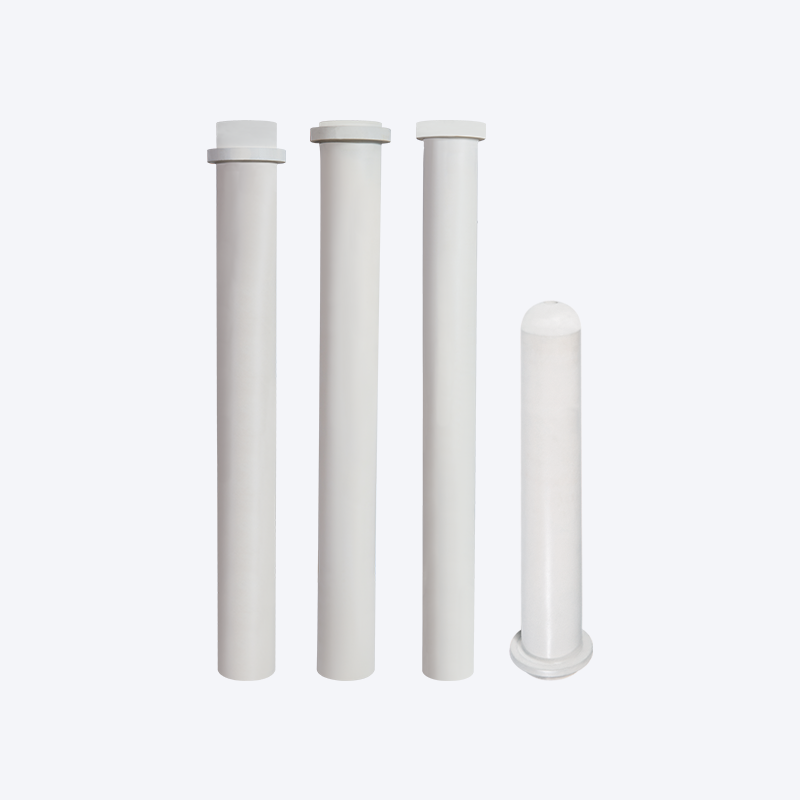
A silicon nitride ceramic riser tube is a component used in aluminum and other non-ferrous metal casting operations to transfer molten metal from a holding furnace up into a dosing or pumping system, or directly into a mold. It sits partially submerged in molten metal, often for extended periods at high temperature, which means the material it's made from has to survive constant thermal cycling, chemical attack from the melt, and mechanical stress without cracking or eroding. Silicon nitride has become the material of choice for this job because it combines high thermal shock resistance with strong chemical stability against molten aluminum, something that traditional materials like cast iron or lower-grade ceramics struggle to match over long production runs.
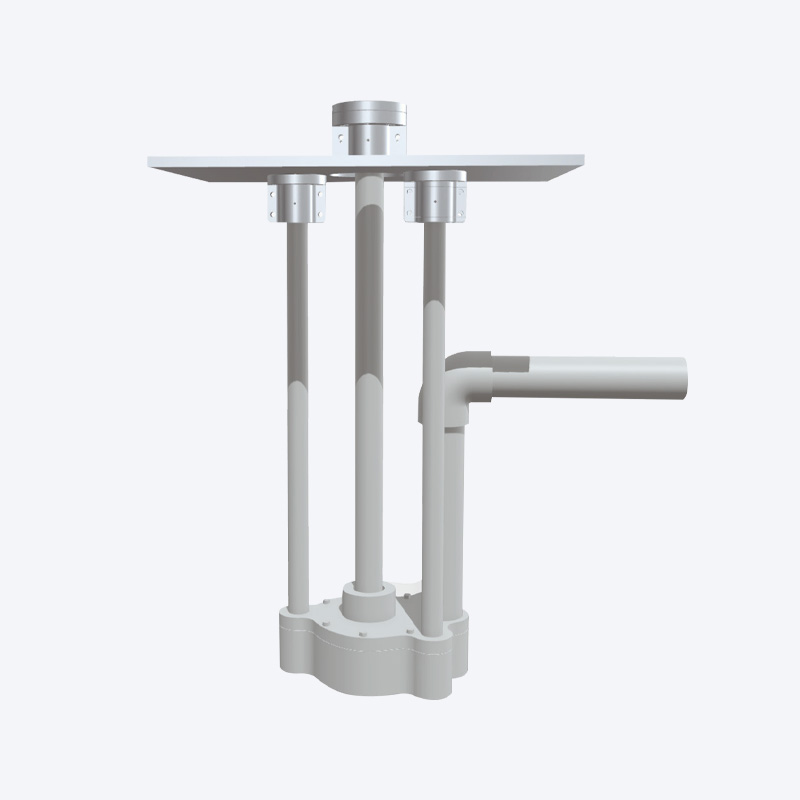
In a typical die casting or low-pressure casting setup, the riser tube connects the furnace to the pump or dosing mechanism above it. Every time the pump cycles, molten metal rises through the tube and then drains back down when the cycle completes. This constant heating and cooling, combined with direct contact with aggressive molten aluminum, is exactly the kind of environment that destroys weaker materials within weeks. A well-made silicon nitride riser tube, by contrast, can often run for months or even years before needing replacement.
Why Silicon Nitride Outperforms Other Riser Tube Materials
The specific properties of silicon nitride ceramic explain why it has largely replaced older materials in demanding molten metal transfer applications. Understanding these properties helps clarify what you're actually paying for when comparing riser tube options.
Thermal Shock Resistance
Silicon nitride has a low thermal expansion coefficient combined with high thermal conductivity, which means it can handle rapid temperature swings without cracking. This matters enormously in casting operations where the tube repeatedly heats up during metal transfer and cools slightly during idle periods between cycles.
Corrosion Resistance Against Molten Aluminum
Molten aluminum is chemically aggressive and tends to react with or erode many common refractory materials over time. Silicon nitride forms a stable protective layer when exposed to molten aluminum, significantly slowing down the erosion process compared to materials like graphite or standard alumina ceramics.
Mechanical Strength at High Temperature
Unlike many ceramics that weaken significantly as temperature rises, silicon nitride retains a large portion of its mechanical strength even at temperatures exceeding 1000°C. This keeps the tube structurally sound under the pressure created by pumping or dosing systems during operation.
Comparing Riser Tube Materials Side by Side
Choosing a riser tube material often comes down to weighing upfront cost against service life and downtime. This table lays out how silicon nitride stacks up against other commonly used materials in molten metal handling.
| Material | Typical Service Life | Thermal Shock Resistance | Relative Cost |
| Silicon Nitride Ceramic | Months to years | Excellent | Higher upfront |
| Cast Iron | Weeks to a few months | Poor | Lower upfront |
| Graphite | Weeks to months | Moderate | Moderate |
| Standard Alumina Ceramic | A few months | Fair | Moderate |
Where Silicon Nitride Riser Tubes Are Commonly Used
These riser tubes show up specifically in processes where molten metal needs to be moved repeatedly and reliably without contaminating the melt or requiring frequent shutdowns for part replacement.
- Low-pressure die casting machines used for automotive wheel and engine component production.
- Electromagnetic and mechanical dosing furnaces that feed precise amounts of molten aluminum into molds.
- Aluminum ingot casting lines that require continuous, stable metal flow over long shifts.
- Foundries producing thin-wall castings where metal cleanliness and consistent flow directly affect part quality.
In all of these settings, unplanned downtime from a failed riser tube isn't just an inconvenience; it can mean scrapped batches, contaminated melt, and costly furnace shutdowns for cleaning and repair.
What to Check Before Choosing a Supplier
Not all silicon nitride riser tubes are manufactured to the same quality standard, and differences in raw material purity or sintering process can significantly affect actual service life. Here's what's worth confirming before committing to a supplier.
- Ask for the density and purity specifications of the silicon nitride material, since lower-grade formulations tend to erode faster in molten metal.
- Request documented service life data or case studies from similar casting operations rather than relying on marketing claims alone.
- Confirm dimensional tolerances match your existing pump or dosing equipment, since even small mismatches can cause leaks or improper seating.
- Check whether the supplier offers custom sizing, since standard tube dimensions don't always fit every furnace configuration.
- Ask about lead times for replacement tubes, since unexpected failures need fast turnaround to avoid extended production stoppages.
Taking the time to vet these details upfront helps avoid a common and costly mistake: choosing a cheaper tube that looks similar on paper but fails months earlier than a properly manufactured one, ultimately costing more in downtime and scrapped material.
Handling and Installation Tips That Extend Tube Life
Even the highest quality silicon nitride riser tube can fail prematurely if it's handled or installed incorrectly. Preheating the tube gradually before its first exposure to molten metal helps prevent thermal shock cracking from a sudden temperature jump. Avoid dropping or knocking the tube against hard surfaces during installation, since ceramic materials are strong under compression but can develop hidden micro-cracks from impact that lead to failure later. Also make sure the tube is properly aligned and seated in its mounting position, since uneven pressure or misalignment can create stress points that shorten service life significantly compared to a properly installed tube running under normal, evenly distributed conditions.
Hot Products
Contact Us for Quotes and Prices!
Just let us know what you want, and we will get in touch with you as soon as possible!

We will continue to develop and produce more advanced ceramic materials for the aluminum processing industry.
Scan the Mobile QR code
Contact
 +86-18501518842 / +86-13587222672
 +86-0572-2926332 / 2926337
 +86-0572-2926335
 [email protected] / [email protected] / [email protected]
 No.11 Building, South Taihu High-tech Intelligent Manufacturing Industrial Park, Wuxing District, Huzhou City, Zhejiang, China
Copyright© 2024 Zhejiang Shangguijuli Special Material Technology Co., Ltd. All Rights Reserved. Ceramic Material Supplier


