

Tel:+86-0572-2926332 / 2926337

E-mail:[email protected]
 REQUEST A QUOTE

 en
en  English
 简体中文
简体中文Silicon Nitride Heater Protection Tube Explained: Why It Outlasts Traditional Materials in Molten Metal Applications
2026.07.21
Content
- 1 What a Silicon Nitride Heater Protection Tube Does in High-Temperature Environments
- 2 Key Properties That Make Silicon Nitride Ideal for This Application
- 3 Common Industrial Applications
- 4 How Silicon Nitride Compares to Other Protection Tube Materials
- 5 Choosing the Right Silicon Nitride Heater Protection Tube
- 6 Installation and Maintenance Best Practices
- 7 Final Thoughts on Investing in Silicon Nitride Protection Tubes
What a Silicon Nitride Heater Protection Tube Does in High-Temperature Environments
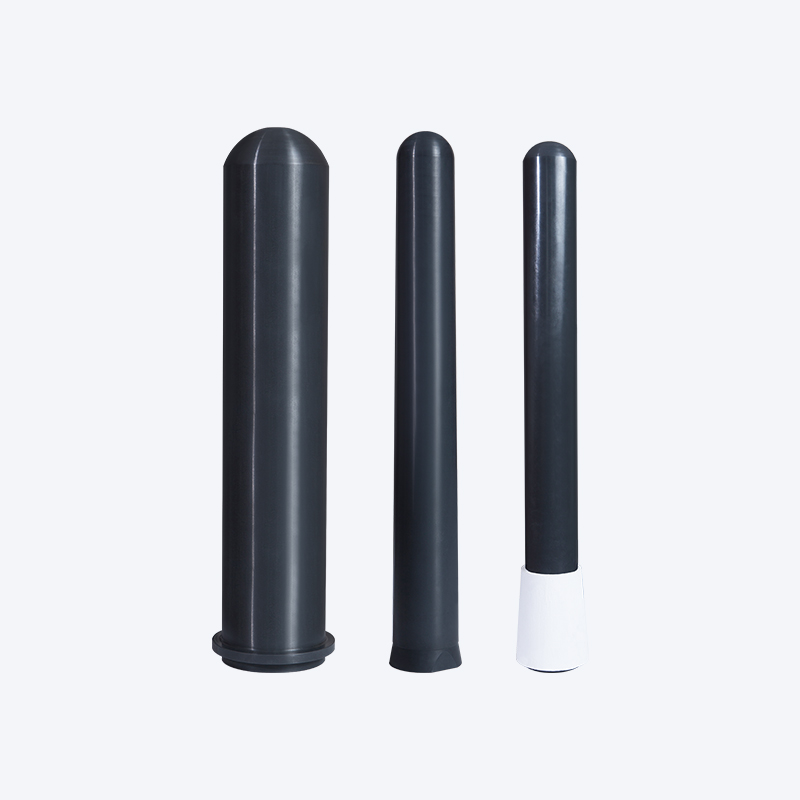
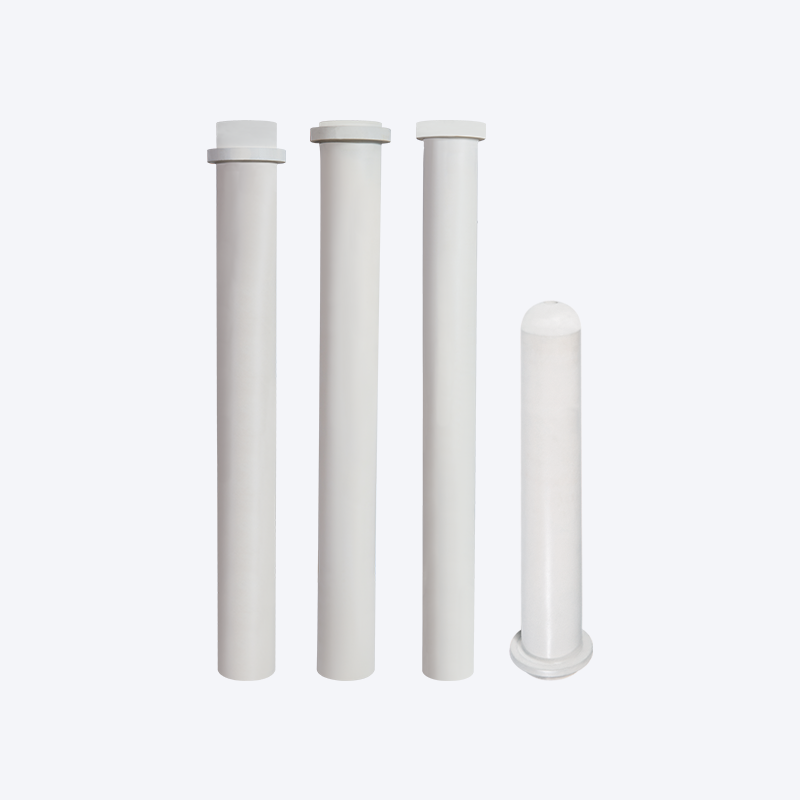
In industries that involve molten metal, high-temperature furnaces, or aggressive chemical environments, heating elements and thermocouples need protection from thermal shock, corrosion, and mechanical wear. A silicon nitride heater protection tube provides exactly this kind of protection, acting as a durable barrier between sensitive heating components and the harsh conditions they operate within. Made from advanced ceramic material, these tubes are specifically engineered to withstand extreme temperature cycling, resist molten aluminum attack, and maintain structural integrity far longer than many traditional protection tube materials.
As industries such as aluminum die casting, metal smelting, and glass manufacturing continue to push processing temperatures higher for improved efficiency, the demand for reliable protection tubes has grown accordingly. A silicon nitride heater protection tube has become a preferred solution in many of these applications because it addresses common failure points found in older materials like graphite, cast iron, or standard ceramic tubes, offering a genuine performance upgrade for facilities dealing with frequent thermal cycling and molten metal exposure.
Key Properties That Make Silicon Nitride Ideal for This Application
Understanding why silicon nitride performs so well in demanding thermal environments comes down to its unique combination of physical and chemical properties, which few other materials can match at a comparable cost.
| Property | Practical Benefit |
| Excellent thermal shock resistance | Withstands rapid heating and cooling without cracking |
| High mechanical strength | Resists cracking or breaking under physical stress |
| Strong resistance to molten metal corrosion | Protects heating elements from chemical attack by molten aluminum or zinc |
| Low thermal expansion coefficient | Maintains dimensional stability across wide temperature swings |
| Good electrical insulation | Keeps heating elements electrically isolated from surrounding equipment |
This combination of properties is exactly why a silicon nitride heater protection tube can survive repeated dips into molten metal baths and rapid temperature changes that would quickly crack or degrade tubes made from more traditional ceramic materials.
Common Industrial Applications
Aluminum Die Casting and Smelting
In aluminum die casting operations, a silicon nitride heater protection tube is commonly used to shield immersion heaters and thermocouples that must remain submerged in molten aluminum for extended periods. Aluminum is particularly aggressive toward many materials, making the corrosion resistance of silicon nitride especially valuable in this setting, where tube failure could mean costly downtime and potential safety hazards.
Zinc and Non-Ferrous Metal Processing
Beyond aluminum, silicon nitride heater protection tubes are also widely used in zinc galvanizing lines and other non-ferrous metal processing applications where molten metal baths pose similar corrosion challenges. The tube's ability to resist wetting by molten metal helps extend service life significantly compared to alternatives that degrade more quickly under continuous exposure.
Thermocouple and Sensor Protection
Temperature sensors and thermocouples used to monitor molten metal baths require reliable protection to function accurately over time. A silicon nitride heater protection tube provides a stable, corrosion-resistant housing that allows sensors to deliver consistent temperature readings without being compromised by direct exposure to aggressive molten materials.
How Silicon Nitride Compares to Other Protection Tube Materials
When evaluating protection tube options, it helps to understand how silicon nitride stacks up against other commonly used materials in similar high-temperature applications.
- Graphite tubes offer good thermal conductivity but oxidize quickly when exposed to air at high temperatures, limiting their service life in open environments
- Cast iron tubes are more affordable but corrode rapidly when in contact with molten aluminum, often requiring frequent replacement
- Silicon carbide tubes provide decent thermal shock resistance but generally have lower resistance to molten aluminum attack compared to silicon nitride
- Alumina ceramic tubes tend to be more brittle and prone to cracking under rapid thermal cycling
- Silicon nitride heater protection tubes combine strong thermal shock resistance with excellent molten metal corrosion resistance, often resulting in a longer overall service life despite a higher initial cost
While the upfront cost of silicon nitride tubes is typically higher than graphite or cast iron alternatives, many facilities find that the extended service life and reduced downtime more than justify the investment over time.
Choosing the Right Silicon Nitride Heater Protection Tube
Match Tube Dimensions to Your Heating Element
Before ordering, confirm the exact diameter, wall thickness, and length needed to properly house your specific heating element or thermocouple. An improperly sized silicon nitride heater protection tube can lead to poor heat transfer efficiency or difficulty during installation and removal for maintenance.
Consider Operating Temperature Range
Different silicon nitride formulations and manufacturing processes can affect the maximum operating temperature a tube can reliably withstand. Reviewing manufacturer specifications and confirming compatibility with your process's peak operating temperatures helps avoid premature tube failure from exceeding rated limits.
Evaluate Supplier Quality Control Standards
Since manufacturing quality can vary between suppliers, it is worth requesting documentation on density, porosity testing, and quality control processes used during production. A silicon nitride heater protection tube with inconsistent density or hidden porosity may fail prematurely, even if it appears identical to a higher quality tube on the surface.
Installation and Maintenance Best Practices
- Preheat tubes gradually before first exposure to molten metal to reduce initial thermal shock stress
- Avoid sudden impacts or dropping tubes during handling, since brittle ceramic materials can crack from mechanical shock
- Inspect tubes regularly for surface cracks, discoloration, or signs of erosion during scheduled maintenance checks
- Store spare tubes in a dry environment to prevent moisture absorption, which can affect performance during initial heating
- Keep detailed service logs to track tube lifespan and identify patterns that may indicate process-related wear issues
Following these handling and maintenance practices helps maximize the working lifespan of a silicon nitride heater protection tube, reducing unplanned downtime and replacement costs across continuous production operations.
Final Thoughts on Investing in Silicon Nitride Protection Tubes
For facilities dealing with molten metal processing, aggressive thermal cycling, or demanding sensor protection needs, a silicon nitride heater protection tube offers a reliable, long-lasting solution that outperforms many traditional materials in both durability and corrosion resistance. By carefully matching tube specifications to your equipment, verifying supplier quality standards, and following proper installation and maintenance practices, facilities can significantly reduce downtime and get the most value out of their investment in this advanced ceramic technology.
Hot Products

Contact Us for Quotes and Prices!
Just let us know what you want, and we will get in touch with you as soon as possible!

We will continue to develop and produce more advanced ceramic materials for the aluminum processing industry.
Scan the Mobile QR code
Contact
 +86-18501518842 / +86-13587222672
 +86-0572-2926332 / 2926337
 +86-0572-2926335
 [email protected] / [email protected] / [email protected]
 No.11 Building, South Taihu High-tech Intelligent Manufacturing Industrial Park, Wuxing District, Huzhou City, Zhejiang, China
Copyright© 2024 Zhejiang Shangguijuli Special Material Technology Co., Ltd. All Rights Reserved. Ceramic Material Supplier


