

Tel:+86-0572-2926332 / 2926337

E-mail:[email protected]
 REQUEST A QUOTE

 en
en  English
 简体中文
简体中文Silicon Nitride Material: Why It's a Game-Changer in Engineering
2026.02.11
Content
Silicon Nitride Material: Why It's a Game-Changer in Engineering
Silicon nitride material is one of the most versatile and high-performance ceramics used today. Unlike metals or plastics, it offers a unique combination of mechanical strength, thermal stability, and chemical resistance, making it ideal for advanced engineering applications. Whether in aerospace, automotive, or electronics, understanding how this material works can help engineers and manufacturers make smarter choices.
Key Properties of Silicon Nitride Material
Silicon nitride ceramics are known for their outstanding mechanical and thermal properties. Some of the most important characteristics include:
- High fracture toughness compared to other ceramics, which reduces the risk of cracking under stress.
- Excellent wear resistance, making it suitable for high-speed moving components.
- Low thermal expansion, which allows it to maintain shape and performance under extreme temperatures.
- Good thermal shock resistance, ideal for applications where sudden temperature changes occur.
- Chemical inertness, resisting corrosion from most acids, bases, and molten metals.
Common Applications of Silicon Nitride Material
Thanks to its combination of toughness and heat resistance, silicon nitride material is widely used across industries. Key applications include:
Automotive Industry
In automotive applications, silicon nitride is used for engine components such as turbocharger rotors, valve seats, and bearings. Its light weight reduces rotational inertia, improving fuel efficiency, while its high strength ensures long-lasting performance even under extreme conditions.
Aerospace and Defense
Silicon nitride material is ideal for aerospace parts that face high temperatures and heavy stress, such as turbine blades and nozzle components. Its low density and high thermal stability help aircraft engines achieve better efficiency and reliability.
Electronics and Semiconductor Industry
Due to its electrical insulation properties and thermal conductivity, silicon nitride material is used in electronic substrates, insulators, and semiconductor components. It protects sensitive devices from heat damage while maintaining precise performance.
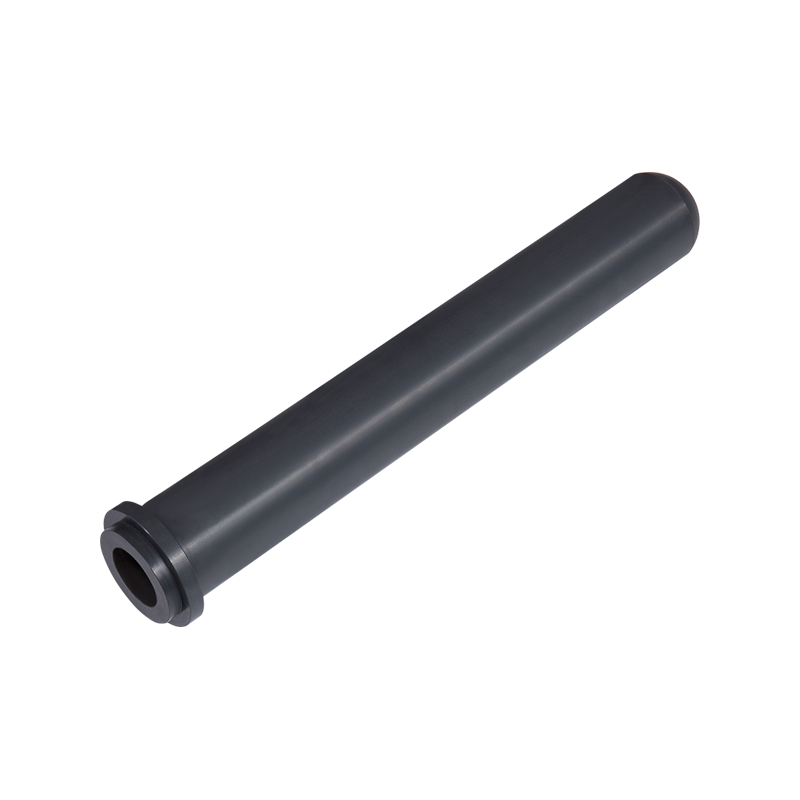
Processing Methods for Silicon Nitride Material
Creating silicon nitride components requires advanced processing techniques due to the material’s hardness and high melting point. The most common methods include:
- Hot pressing: Combines heat and pressure to form dense, strong parts.
- Sintering: Uses high temperature to bond particles without melting the material completely.
- Injection molding: For small, complex shapes, often followed by sintering for strength.
- CNC machining: Precision cutting of sintered parts into final shapes.
Comparison with Other Ceramic Materials
Silicon nitride material stands out when compared with other common ceramics like alumina or zirconia. Here’s a simple table to highlight the differences:
| Property | Silicon Nitride | Alumina | Zirconia |
| Fracture Toughness (MPa·m½) | 7–10 | 3–4 | 8–10 |
| Thermal Conductivity (W/m·K) | 20–30 | 30–35 | 2–3 |
| Density (g/cm³) | 3.2 | 3.9 | 6.0 |
Future Trends in Silicon Nitride Material
As technology advances, the demand for silicon nitride material is expected to grow, especially in high-performance fields like electric vehicles, aerospace, and semiconductor manufacturing. Researchers are exploring ways to:
- Develop more cost-effective manufacturing techniques.
- Enhance toughness and thermal shock resistance through material engineering.
- Create hybrid composites that combine silicon nitride with metals or other ceramics for specialized applications.
Understanding silicon nitride material and its capabilities can help engineers and product designers make informed decisions, pushing the limits of performance while maintaining reliability.
Hot Products
Contact Us for Quotes and Prices!
Just let us know what you want, and we will get in touch with you as soon as possible!

We will continue to develop and produce more advanced ceramic materials for the aluminum processing industry.
Scan the Mobile QR code
Contact
 +86-18501518842 / +86-13587222672
 +86-0572-2926332 / 2926337
 +86-0572-2926335
 [email protected] / [email protected] / [email protected]
 No.11 Building, South Taihu High-tech Intelligent Manufacturing Industrial Park, Wuxing District, Huzhou City, Zhejiang, China
Copyright© 2024 Zhejiang Shangguijuli Special Material Technology Co., Ltd. All Rights Reserved. Ceramic Material Supplier


