

Tel:+86-0572-2926332 / 2926337

E-mail:[email protected]
 REQUEST A QUOTE

 en
en  English
 简体中文
简体中文Silicon Nitride Stopper Tube: What It Is, How It Works, and Why Industry Relies on It
2026.04.29
Content
- 1 What a Silicon Nitride Stopper Tube Is and Where It Is Used
- 2 Material Properties That Make Silicon Nitride Suitable for Molten Metal Contact
- 3 Silicon Nitride Grades Used in Stopper Tube Manufacture
- 4 How Silicon Nitride Stopper Tubes Function in Low-Pressure Casting Systems
- 5 Dimensional Specifications and Tolerances for Ceramic Stopper Tubes
- 6 Comparing Silicon Nitride Stopper Tubes to Alternative Ceramic Materials
- 7 Applications Beyond Aluminium Casting
- 8 What to Check When Sourcing Silicon Nitride Stopper Tubes
What a Silicon Nitride Stopper Tube Is and Where It Is Used
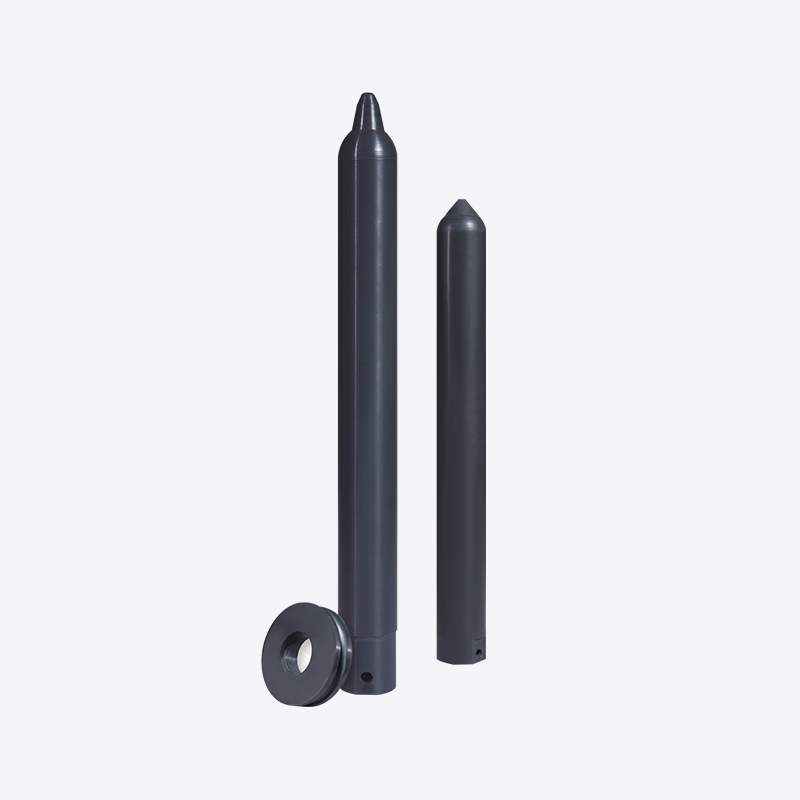
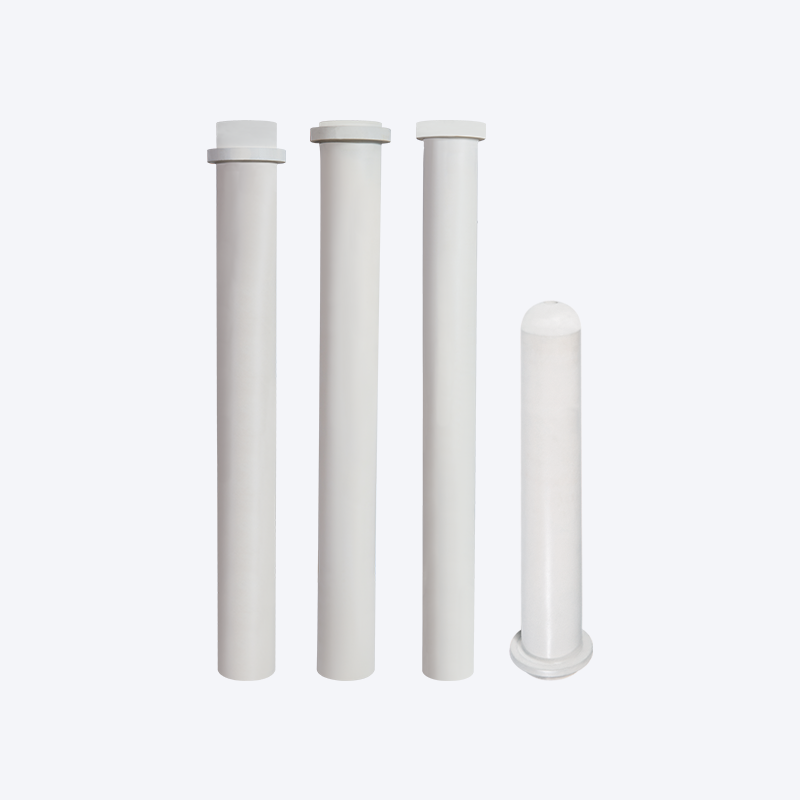
A silicon nitride stopper tube is a precision ceramic component used primarily in low-pressure die casting, aluminium casting, and non-ferrous metal processing operations to control the flow of molten metal from a holding furnace or crucible into a die or mould cavity. The tube — typically a cylindrical or near-cylindrical ceramic sleeve — sits within or connects to the metal transfer system, and works in conjunction with a stopper rod or plug to start, stop, and meter the flow of liquid metal with repeatable precision. In low-pressure casting systems specifically, the stopper tube forms part of the pressurised transfer pathway through which molten aluminium or other non-ferrous alloys are pushed upward from the furnace into the die under controlled gas pressure.
The reason silicon nitride (Si3N4) is the material of choice for this application comes down to a combination of properties that no metallic or alternative ceramic material matches across all the required performance dimensions simultaneously. Molten aluminium at 680 to 750°C is chemically aggressive, thermally demanding, and abrasive to most materials it contacts. Silicon nitride resists all three attack modes effectively, which is why Si3N4 stopper tubes and riser tubes have become the industry standard in aluminium foundry operations worldwide, progressively replacing the cast iron, graphite, and alumina ceramic components that were used in earlier generations of casting equipment.
Material Properties That Make Silicon Nitride Suitable for Molten Metal Contact
Understanding why silicon nitride performs so well in stopper tube applications requires looking at its material properties in the context of what the component actually experiences during operation. A stopper tube in a low-pressure casting cell is repeatedly heated to molten aluminium temperatures, held at those temperatures for extended periods, then cooled during maintenance or changeover — a thermal cycling regime that would crack most ceramics within a short service life.
Thermal shock resistance
Silicon nitride has one of the highest thermal shock resistance ratings of any structural ceramic. This property — quantified by the thermal shock parameter R, which combines thermal conductivity, strength, and thermal expansion coefficient — allows Si3N4 components to withstand rapid temperature changes that would cause catastrophic cracking in alumina or silicon carbide components. The low coefficient of thermal expansion of silicon nitride (approximately 3.2 × 10⁻⁶/°C) combined with its high thermal conductivity relative to other ceramics means that temperature gradients across the tube wall during immersion in molten metal are manageable without fracture. In practical terms, a well-made silicon nitride stopper tube can be immersed in molten aluminium at 720°C from room temperature without preheating — a capability that simplifies maintenance procedures and reduces downtime significantly.
Non-wetting behaviour with molten aluminium
Molten aluminium has a strong tendency to wet and adhere to many materials it contacts, including most metals, many refractory ceramics, and graphite. This wetting behaviour causes aluminium to penetrate porous materials, build up on internal surfaces, and eventually block or damage components in the metal transfer path. Silicon nitride is non-wetting to molten aluminium — the contact angle between liquid aluminium and a polished Si3N4 surface exceeds 90 degrees, meaning the metal does not spread across or penetrate the ceramic surface. This property keeps the internal bore of the stopper tube clean and dimensionally consistent over extended service periods, maintaining accurate flow control and reducing cleaning frequency.
Chemical resistance to aluminium alloy attack
Beyond non-wetting, silicon nitride is chemically resistant to the aluminium alloys commonly used in casting — including high-silicon alloys (A380, A356), magnesium-containing alloys, and copper-bearing alloys — across the temperature range of normal casting operations. This resistance extends to the fluxes and degassing agents used in melt treatment. The chemical stability of Si3N4 in contact with aluminium melt means that contamination of the casting from ceramic dissolution is negligible, which is important for applications where aluminium part cleanliness and mechanical properties are tightly specified.
Mechanical strength at elevated temperature
Many ceramics that are strong at room temperature lose strength rapidly at elevated temperatures. Silicon nitride retains a high proportion of its room-temperature flexural strength up to approximately 1,000°C — well above the operating range of aluminium casting. This retained high-temperature strength allows silicon nitride stopper tubes to withstand the mechanical loads imposed by pressurised metal flow, stopper rod contact forces, and any handling stresses without deformation or fracture. Typical flexural strength values for sintered silicon nitride used in foundry components range from 600 to 900 MPa at room temperature, reducing to approximately 500 to 700 MPa at 800°C.
Silicon Nitride Grades Used in Stopper Tube Manufacture
Not all silicon nitride is equivalent. The manufacturing process used to densify Si3N4 powder into a solid component significantly affects the resulting microstructure, density, and performance. Three main grades are encountered in foundry ceramic components:
| Grade | Manufacturing process | Density (g/cm³) | Typical application | Relative cost |
| Reaction bonded Si3N4 (RBSN) | Silicon powder nitrided in nitrogen atmosphere | 2.4 – 2.6 | General foundry tube components, lower-pressure applications | Lower |
| Sintered Si3N4 (SSN) | Hot pressing or pressureless sintering with sintering aids | 3.1 – 3.2 | High-performance stopper tubes, precision casting | Medium–High |
| Hot isostatic pressed Si3N4 (HIP-Si3N4) | Sintering under high isostatic pressure to eliminate porosity | 3.2 – 3.25 | Critical components requiring maximum reliability and service life | High |
Reaction bonded silicon nitride is the most widely used grade for stopper tubes in standard low-pressure aluminium die casting because it offers a good balance of thermal shock resistance, non-wetting behaviour, and cost. Its residual porosity — typically 15 to 20% by volume — is a limitation in aggressive chemical environments but is acceptable for most aluminium alloy applications. Sintered and HIP grades offer superior density and strength and are preferred in high-pressure applications, magnesium casting (where melt reactivity is higher), or where extended service life between component changes is a priority.
How Silicon Nitride Stopper Tubes Function in Low-Pressure Casting Systems
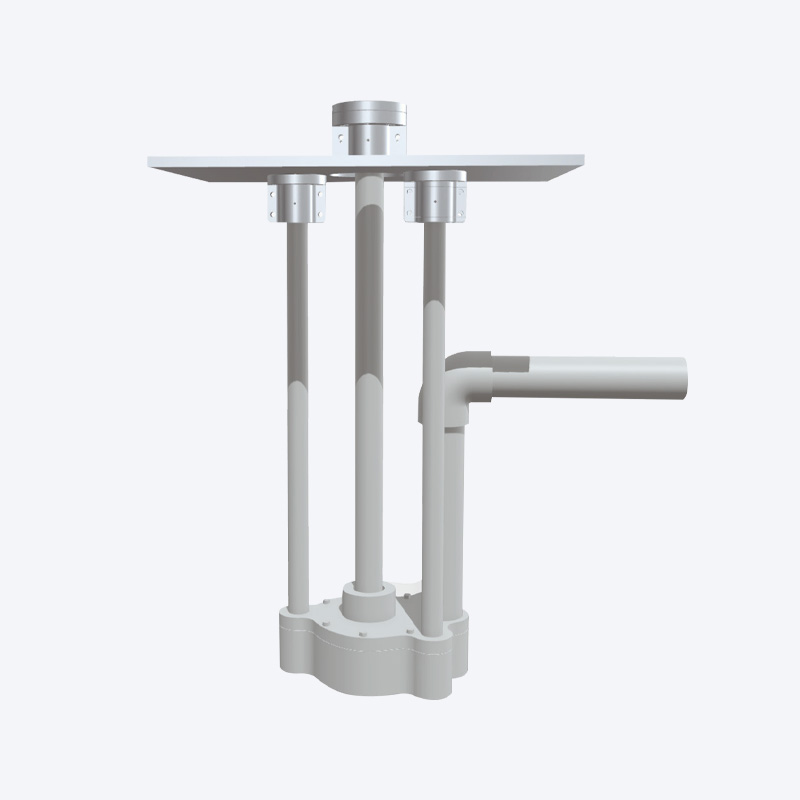
In a low-pressure aluminium die casting cell, the silicon nitride stopper tube — also referred to in some systems as a riser tube, stalk tube, or transfer tube — forms the vertical conduit through which molten aluminium travels from the sealed holding furnace below to the die above. The system works by applying a controlled low pressure (typically 0.3 to 1.0 bar) of dry air or nitrogen to the furnace headspace, pushing the molten metal up through the stopper tube and into the die cavity. When the casting cycle is complete and pressure is released, the metal in the die solidifies while any excess in the tube returns to the furnace.
The stopper tube must seal effectively against the furnace cover and the die mounting plate to prevent metal leakage under pressure. This sealing function is typically achieved through close dimensional tolerance on the tube ends combined with compliant ceramic fibre gaskets or metallic sealing components. The bore of the tube must be smooth and consistent in diameter to ensure laminar metal flow and prevent turbulence-induced oxide entrainment in the casting — one of the primary quality drivers for using precision-ground Si3N4 tubes rather than lower-tolerance alternatives.
The stopper function itself — metering or stopping metal flow — can be achieved in several ways depending on the system design. In some configurations, a ceramic stopper rod made from the same or similar silicon nitride material seats against a machined seat at the base of the tube to close it. In others, the pressure system itself acts as the flow control, with the tube remaining open and metal flow governed entirely by the applied pressure cycle. Understanding which configuration your casting cell uses is essential when specifying a replacement silicon nitride riser tube, as the geometry of the tube ends and any internal seating features must match the specific system design.
Dimensional Specifications and Tolerances for Ceramic Stopper Tubes
Silicon nitride stopper tubes are precision components, and dimensional accuracy directly affects casting quality and system reliability. The following dimensions are the primary specification parameters for any Si3N4 stopper tube order:
- Overall length: Must match the distance from the furnace interior to the die mounting face, typically ranging from 300mm to over 1,000mm depending on furnace design and cell configuration. Length tolerance is typically ±1mm for standard components and ±0.5mm for precision-ground versions.
- Outside diameter (OD): Determines fit within the furnace cover aperture and die mounting assembly. Tight OD tolerance — typically ±0.2 to ±0.5mm — is required to achieve consistent sealing without excessive clamping force that could crack the ceramic.
- Inside diameter (ID) / bore: The bore diameter controls flow rate at a given pressure. Bore roundness and surface finish are as important as the nominal diameter — an out-of-round or rough bore creates turbulent flow and oxide inclusion risk. Bore surface finish for precision casting tubes is typically Ra 1.6 µm or better.
- Wall thickness: Must be sufficient to withstand the hoop stress from internal pressure and the bending loads from furnace cover clamping. Minimum wall thickness recommendations from major manufacturers typically start at 10mm for tubes up to 50mm OD, increasing proportionally for larger diameters.
- End geometry: Tube ends may be plain cut, chamfered, flanged, or machined to specific seating profiles depending on the furnace and die system. Any non-standard end geometry should be specified with a detailed drawing rather than a verbal description to avoid manufacturing errors.
- Straightness: Bow or camber along the tube length causes misalignment in the casting system and uneven contact with sealing components. Straightness tolerance for precision tubes is typically 0.5mm per 500mm of length or better.
Comparing Silicon Nitride Stopper Tubes to Alternative Ceramic Materials
Several other ceramic materials have been used in stopper tube and riser tube applications, and some remain in use in specific contexts. Understanding how silicon nitride compares to these alternatives clarifies why it has become the dominant material for aluminium casting applications.
| Material | Thermal shock resistance | Al wetting resistance | Mechanical strength | Typical service life |
| Silicon nitride (Si3N4) | Excellent | Excellent | Very high | Months to years |
| Alumina (Al2O3) | Poor–Moderate | Moderate | High | Weeks |
| Silicon carbide (SiC) | Good | Moderate | Very high | Weeks to months |
| Graphite | Excellent | Good | Low–Moderate | Weeks (oxidises) |
| Cast iron | Poor | Poor (dissolves) | Moderate | Days to weeks |
Alumina tubes are significantly cheaper than silicon nitride but fail rapidly under the thermal cycling of casting operations due to poor thermal shock resistance. Silicon carbide offers good thermal shock resistance and strength but is more prone to aluminium wetting than silicon nitride and is harder to machine to tight tolerances. Graphite handles thermal shock well and is easy to machine but oxidises progressively in air at casting temperatures, causing dimensional loss and contamination risk over time. Cast iron was used in early low-pressure casting systems but is attacked by molten aluminium and produces iron contamination in the melt — unacceptable for most modern alloy specifications.
Applications Beyond Aluminium Casting
While low-pressure aluminium die casting is the primary application for silicon nitride stopper tubes, the same combination of properties makes Si3N4 ceramic tubes useful in several related industrial contexts.
Magnesium alloy casting
Magnesium melts are significantly more reactive than aluminium, requiring materials with even higher chemical resistance to avoid contamination or component degradation. Dense sintered silicon nitride performs well in magnesium casting environments where reaction bonded grades may be marginal. The non-wetting and chemical resistance properties of Si3N4 make it one of the few ceramic materials suitable for direct molten magnesium contact in controlled casting operations.
Zinc and zinc-aluminium alloy casting
Hot chamber die casting of zinc alloys uses transfer systems that are in continuous contact with molten zinc at 400 to 450°C. Silicon nitride components in these systems benefit from the material's non-wetting behaviour and chemical resistance, reducing the zinc build-up and erosion that occurs with less resistant materials. The lower operating temperature compared to aluminium casting means that reaction bonded Si3N4 is typically sufficient for zinc applications.
Thermocouple protection tubes
Silicon nitride protection tubes are used to house thermocouples measuring temperature in molten metal baths, where the combination of thermal shock resistance and non-wetting behaviour protects both the thermocouple and maintains measurement accuracy. Si3N4 thermocouple tubes immersed in aluminium melt maintain their dimensional integrity and surface cleanliness over long measurement periods, providing more stable and accurate temperature readings than metallic protection tubes, which are attacked by the melt.
Degassing and fluxing lances
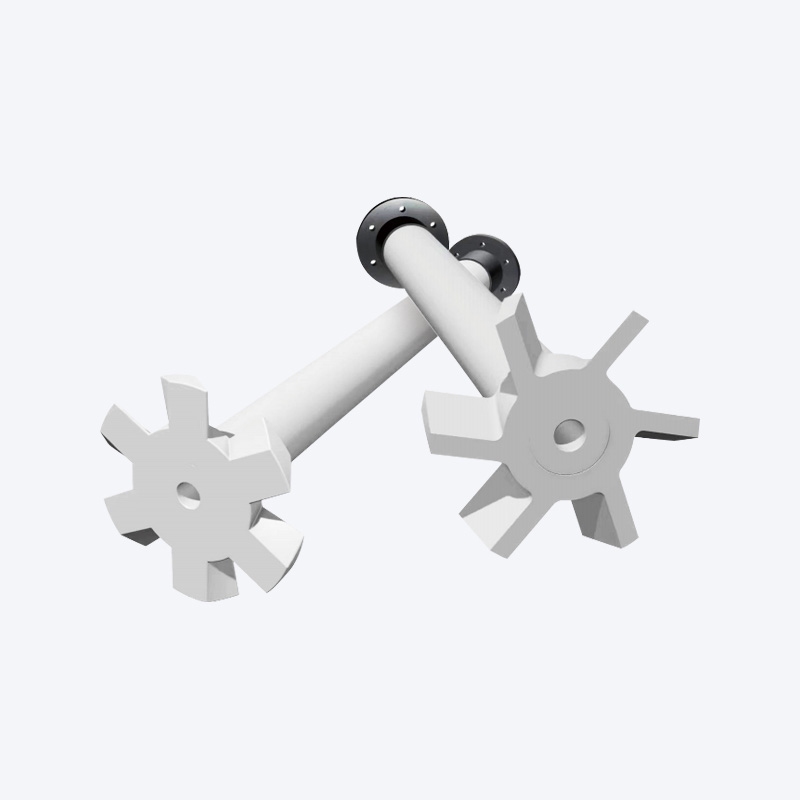
Rotary degassing systems used to remove dissolved hydrogen from aluminium melt use rotating impeller shafts and gas injection tubes — components that are in sustained contact with molten aluminium under mechanical load. Silicon nitride shafts and tubes for these applications must combine the chemical resistance and non-wetting properties of the material with sufficient mechanical strength to handle the rotary loads of the degassing process, making dense sintered or HIP grades the appropriate specification.
What to Check When Sourcing Silicon Nitride Stopper Tubes
The market for foundry ceramic components includes a wide range of suppliers at very different quality levels. For a component as critical as a silicon nitride stopper tube — where failure can mean unplanned downtime, scrap castings, or safety incidents — supplier qualification deserves careful attention.
- Material certification: Request a material certificate confirming the Si3N4 grade, density, flexural strength, and porosity of the supplied material. Reputable manufacturers provide batch-traceable certificates as standard. Be cautious of suppliers unable or unwilling to provide material data — the physical properties of silicon nitride vary significantly between manufacturers and grades, and a lower-density RBSN tube sold as a higher-grade product will underperform and fail earlier than specified.
- Dimensional inspection reports: For precision applications, request dimensional inspection data showing actual measured values against drawing tolerances for bore diameter, OD, length, straightness, and surface finish. A supplier who 99% inspects and records dimensional data for each tube demonstrates the manufacturing control needed for consistent performance.
- Surface finish of the bore: The internal bore surface finish is not easily verified without measurement equipment, but it is worth asking suppliers how they achieve and verify bore finish. Precision ground bores produced by diamond grinding are the standard for casting-grade tubes; as-sintered bores without grinding are less consistent and more likely to cause turbulent flow or aluminium adhesion.
- Lead time and stock availability: Silicon nitride stopper tubes are not shelf items at most industrial distributors, and custom dimensions may require four to twelve weeks manufacturing lead time. Confirm stock availability and lead time for your specific dimensions before a maintenance shutdown rather than after the old tube has failed. Many high-volume casting operations maintain one or two spare tubes on-site to cover unplanned breakage.
- Application experience: Suppliers with direct experience in foundry ceramic applications — rather than general technical ceramics suppliers without specific foundry knowledge — are better positioned to advise on grade selection, dimensional tolerances appropriate for your specific casting system, and handling and installation recommendations that extend service life. Ask specifically about their experience with your alloy type and casting system configuration.
- Packaging and handling for transit: Silicon nitride is a hard but brittle material — it does not deform plastically before fracture, meaning impact damage during shipping can produce cracks that are not immediately visible but cause premature failure in service. Confirm that the supplier uses adequate individual packaging with foam or custom-formed inserts rather than loose packing in a shared carton.
Hot Products
Contact Us for Quotes and Prices!
Just let us know what you want, and we will get in touch with you as soon as possible!

We will continue to develop and produce more advanced ceramic materials for the aluminum processing industry.
Scan the Mobile QR code
Contact
 +86-18501518842 / +86-13587222672
 +86-0572-2926332 / 2926337
 +86-0572-2926335
 [email protected] / [email protected] / [email protected]
 No.11 Building, South Taihu High-tech Intelligent Manufacturing Industrial Park, Wuxing District, Huzhou City, Zhejiang, China
Copyright© 2024 Zhejiang Shangguijuli Special Material Technology Co., Ltd. All Rights Reserved. Ceramic Material Supplier


