

Tel:+86-0572-2926332 / 2926337

E-mail:[email protected]
 REQUEST A QUOTE

 en
en  English
 简体中文
简体中文Why Silicon Nitride Ceramic Riser Tubes Last Longer in Aluminum Die Casting
2026.06.22
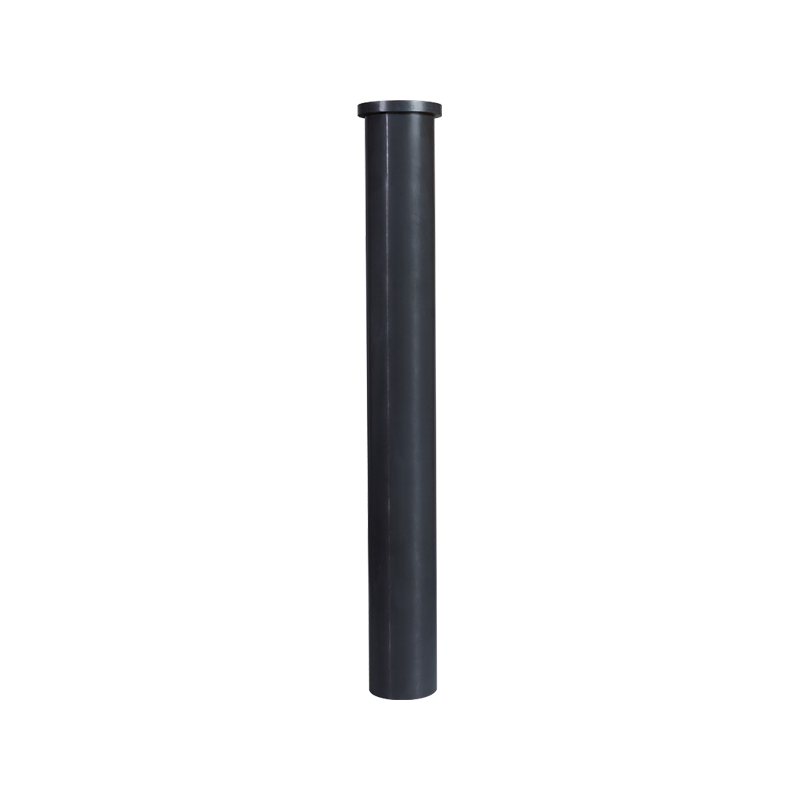
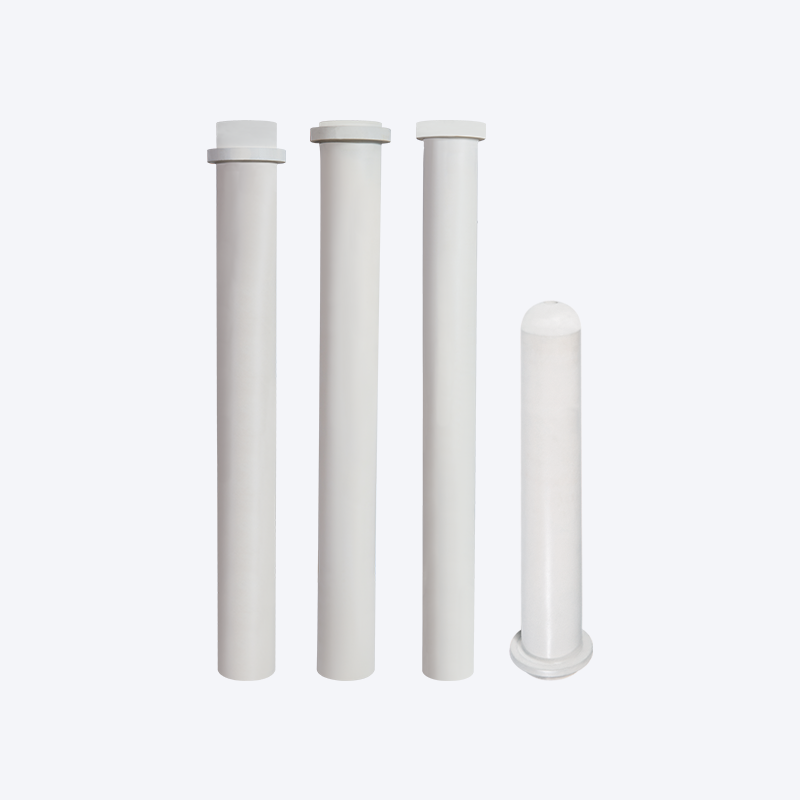
A silicon nitride ceramic riser tube might be a small, unassuming component compared to the massive die casting machines it operates inside, but it plays a critical role in keeping molten aluminum moving cleanly and reliably from the holding furnace into the shot sleeve. In low-pressure die casting and pump-based aluminum transfer systems, the riser tube is exposed to constant thermal cycling, molten metal erosion, and mechanical stress, which is exactly why silicon nitride has become the material of choice over older alternatives like cast iron or silicon carbide. This article covers what silicon nitride riser tubes are, why this material outperforms others in molten aluminum service, how to select the right tube, and how to extend its working life in production.
Content
- 1 What a Silicon Nitride Riser Tube Does in a Die Casting System
- 2 Why Silicon Nitride Outperforms Other Riser Tube Materials
- 3 Key Properties That Define Riser Tube Quality
- 4 Common Applications for Silicon Nitride Riser Tubes
- 5 How to Select the Right Riser Tube for a Casting System
- 6 Installation and Handling Tips to Avoid Premature Failure
- 7 Recognizing When a Riser Tube Needs Replacement
- 8 Final Thoughts on Silicon Nitride Ceramic Riser Tubes
What a Silicon Nitride Riser Tube Does in a Die Casting System
A riser tube is the vertical conduit that carries molten aluminum upward from a holding furnace or electromagnetic pump into the shot chamber or distribution system of a die casting machine. Every cycle, molten metal flows through the tube under pressure, then the tube cools slightly as the system pauses between shots, only to be reheated as the next cycle begins. This repeated thermal cycling, combined with constant contact with aggressive molten aluminum, puts enormous stress on whatever material the tube is made from.
Silicon nitride ceramic was adopted for this application because it resists the chemical attack of molten aluminum far better than metallic alternatives, while also tolerating the rapid heating and cooling cycles without cracking. A riser tube that fails mid-production doesn't just create a maintenance headache; it can halt an entire casting line, contaminate the metal bath, or in worst cases create a safety hazard from molten metal leakage, which is why material selection for this single component carries outsized importance in plant reliability.
Why Silicon Nitride Outperforms Other Riser Tube Materials
Riser tubes have historically been made from a handful of materials, each with tradeoffs in cost, durability, and performance in molten aluminum service. Silicon nitride has steadily displaced older options because of how well it balances thermal, mechanical, and chemical performance.
| Material | Resistance to Molten Aluminum | Thermal Shock Resistance | Typical Service Life |
| Cast Iron | Poor, corrodes quickly | Moderate | Weeks to a few months |
| Silicon Carbide | Good | Moderate, prone to micro-cracking | Several months |
| Silicon Nitride | Excellent | Excellent | A year or more in many applications |
The key advantage comes down to silicon nitride's combination of low wettability with molten aluminum, meaning the metal doesn't readily stick to or chemically react with the tube's surface, along with a low coefficient of thermal expansion that allows the ceramic to handle rapid temperature swings without developing the micro-cracks that eventually destroy silicon carbide tubes. This translates directly into longer service intervals and fewer unplanned production stoppages.
Key Properties That Define Riser Tube Quality
Not all silicon nitride ceramic riser tubes are manufactured to the same standard, and the difference often comes down to how the ceramic is processed and densified. Several properties are worth checking when evaluating tubes from different suppliers.
- Bulk density and porosity, since a denser, less porous structure resists molten aluminum penetration more effectively
- Flexural strength, which determines how well the tube resists cracking under mechanical and thermal stress
- Thermal shock resistance rating, particularly important for systems with frequent start-stop cycles
- Surface finish quality, since a smoother bore reduces turbulence and metal buildup during molten aluminum flow
- Dimensional tolerance, to ensure proper fit and sealing within the pump or furnace assembly
Common Applications for Silicon Nitride Riser Tubes
Silicon nitride riser tubes show up wherever molten aluminum needs to be reliably and repeatedly transferred under thermal cycling conditions. Their use spans several segments of aluminum processing and casting.
- Low-pressure die casting machines used for automotive wheel and structural component production
- Electromagnetic and mechanical aluminum transfer pumps in holding and dosing furnaces
- Aluminum degassing and metal treatment systems that require consistent metal flow control
- Continuous casting lines where molten metal must move steadily from melt stage to mold stage
How to Select the Right Riser Tube for a Casting System
Choosing the correct riser tube isn't just about picking silicon nitride as the material; the specific tube dimensions, wall thickness, and fitting style all need to match the existing furnace or pump system precisely.
Match Dimensions to the Existing Equipment
Riser tubes need to fit the exact bore diameter, length, and flange or connection style of the furnace or pump system they're replacing. Even small dimensional mismatches can cause sealing issues, metal leakage, or uneven flow that reduces casting quality.
Consider Wall Thickness for Mechanical Strength
Thicker walls generally improve mechanical durability and resistance to impact damage during installation or handling, but excessive thickness can also slow thermal response and add unnecessary weight. Most suppliers offer standard wall thickness options optimized for common furnace and pump configurations.
Verify Supplier Quality Control and Testing
Because riser tube failure can halt production or create safety risks, it's worth confirming that a supplier performs consistent quality testing, including density checks, dimensional inspection, and in some cases destructive testing on sample batches, before shipping tubes for production use.
Installation and Handling Tips to Avoid Premature Failure
Even a high-quality silicon nitride riser tube can fail early if it's mishandled during installation or startup. A few precautions during installation go a long way toward maximizing service life.
- Preheat the tube gradually before its first exposure to molten metal to avoid thermal shock from a cold start
- Inspect the tube for chips or cracks immediately before installation, since ceramic components can be damaged in shipping or storage
- Avoid dropping or striking the tube during handling, as silicon nitride, while tough, is still a ceramic material that can chip under impact
- Ensure gaskets or seals at the connection points are properly seated to prevent metal leakage around the tube
- Follow the equipment manufacturer's recommended startup sequence to avoid uneven thermal stress during the first production cycle
Recognizing When a Riser Tube Needs Replacement
Even the most durable silicon nitride tube eventually reaches the end of its useful life, and catching the warning signs early helps avoid an unplanned failure during a production run.
- Visible cracking or surface spalling on the tube's exterior or accessible interior sections
- Inconsistent metal flow rates or pressure readings during the casting cycle
- Visible metal seepage or staining around tube connection points
- A tube that has been in continuous service well beyond the supplier's stated expected service life
Scheduling replacement proactively, based on supplier-recommended service intervals rather than waiting for visible failure, is generally the safer and more cost-effective approach for high-volume casting operations.
Final Thoughts on Silicon Nitride Ceramic Riser Tubes
A silicon nitride ceramic riser tube may be a relatively small component within a much larger die casting or metal transfer system, but its performance directly affects production uptime, casting quality, and overall plant safety. Choosing tubes with the right density, dimensional accuracy, and supplier quality assurance, paired with careful installation and a proactive replacement schedule, helps ensure this critical component keeps molten aluminum flowing reliably cycle after cycle. For any operation running aluminum die casting or metal transfer systems, understanding what makes a quality riser tube is a worthwhile investment in long-term process reliability.
Hot Products
Contact Us for Quotes and Prices!
Just let us know what you want, and we will get in touch with you as soon as possible!

We will continue to develop and produce more advanced ceramic materials for the aluminum processing industry.
Scan the Mobile QR code
Contact
 +86-18501518842 / +86-13587222672
 +86-0572-2926332 / 2926337
 +86-0572-2926335
 [email protected] / [email protected] / [email protected]
 No.11 Building, South Taihu High-tech Intelligent Manufacturing Industrial Park, Wuxing District, Huzhou City, Zhejiang, China
Copyright© 2024 Zhejiang Shangguijuli Special Material Technology Co., Ltd. All Rights Reserved. Ceramic Material Supplier


