

Tel:+86-0572-2926332 / 2926337

E-mail:[email protected]
 REQUEST A QUOTE

 en
en  English
 简体中文
简体中文Why Silicon Nitride Thermocouple Protection Tubes Are the Smart Choice for Extreme Heat Applications
2026.04.15
Content
- 1 What Is a Silicon Nitride Thermocouple Protection Tube?
- 2 Key Material Properties of Silicon Nitride That Make It Exceptional
- 3 How Silicon Nitride Compares to Other Thermocouple Protection Tube Materials
- 4 Primary Industries and Applications for Si3N4 Thermocouple Tubes
- 5 Manufacturing Grades and Specifications of Silicon Nitride Thermocouple Tubes
- 6 Standard Dimensions and Custom Sizing Options
- 7 Installation, Handling, and Best Practices
- 8 How to Select the Right Silicon Nitride Thermocouple Protection Tube for Your Application
What Is a Silicon Nitride Thermocouple Protection Tube?
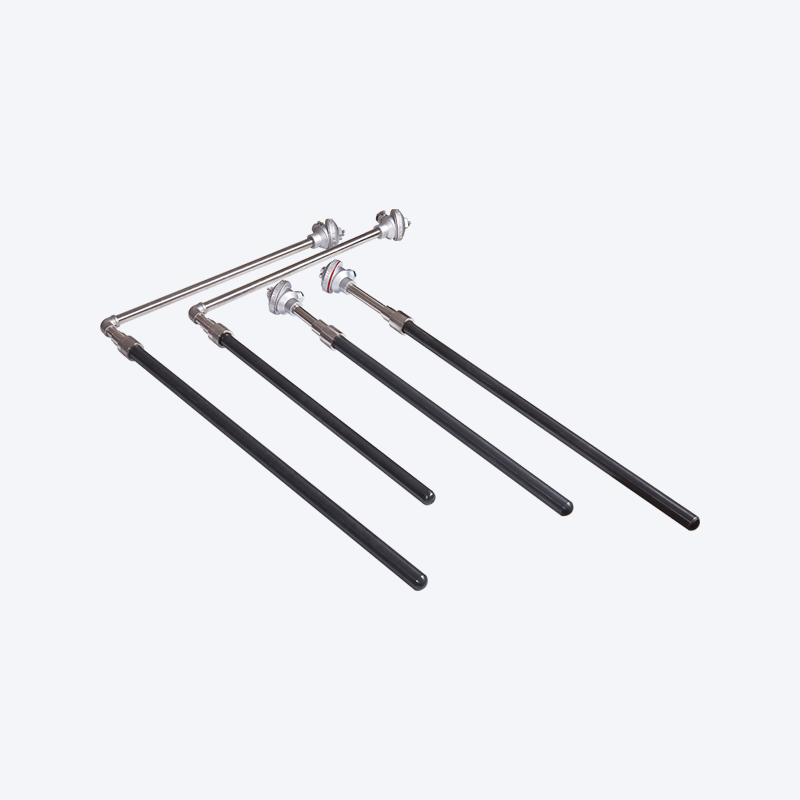
A silicon nitride thermocouple protection tube — also referred to as a Si3N4 thermocouple sheath or ceramic thermocouple protection sleeve — is a precision-engineered ceramic component designed to encase and protect thermocouple elements from direct exposure to extreme heat, aggressive chemicals, molten metals, and mechanical stress. The tube acts as a physical and chemical barrier between the delicate sensing element inside and the harsh process environment outside, ensuring accurate temperature readings are maintained over long service periods without degradation of the thermocouple wire itself.
Silicon nitride (Si3N4) as a material stands in a class of its own among advanced technical ceramics. It combines an unusually high resistance to thermal shock — the ability to withstand rapid and dramatic temperature changes without cracking — with excellent mechanical strength, low thermal expansion, and superior resistance to both oxidizing and reducing atmospheres. These properties make the silicon nitride thermocouple protection tube the preferred solution in industries such as aluminum casting, steel production, foundry operations, and high-temperature furnace processing, where standard metallic or alumina protection tubes would fail within hours or days.
Key Material Properties of Silicon Nitride That Make It Exceptional
Understanding why Si3N4 outperforms competing ceramic and metallic protection tube materials starts with its fundamental material properties. Silicon nitride is a covalently bonded ceramic with a microstructure consisting of elongated, interlocking grains that give it fracture toughness significantly higher than most other technical ceramics. The following properties are directly relevant to its performance as a thermocouple protection tube material:
- Thermal shock resistance: Silicon nitride can endure rapid temperature changes of 500°C or more without cracking — a critical requirement in applications such as dip-in aluminum melt temperature measurement, where the tube is repeatedly plunged into 700–900°C molten metal and withdrawn. Alumina and mullite tubes frequently crack under these same conditions within a handful of cycles.
- Maximum operating temperature: Si3N4 thermocouple protection tubes maintain structural integrity and dimensional stability up to approximately 1300–1400°C in oxidizing atmospheres and up to 1600°C or higher in neutral or reducing atmospheres, depending on the specific grade and density of the sintered material.
- Flexural strength: With a room-temperature flexural strength of 700–1000 MPa for hot-pressed or sintered reaction-bonded grades, silicon nitride tubes resist mechanical breakage during handling, insertion into deep melt vessels, and incidental impacts far better than brittle oxide ceramics.
- Non-wetting behavior with molten aluminum: One of silicon nitride's most commercially valuable characteristics is that molten aluminum and its alloys do not wet or adhere to its surface. This means Si3N4 thermocouple tubes used in aluminum casting operations can be withdrawn cleanly from the melt without solidified metal building up on the exterior — a serious operational problem with metallic sheaths and some oxide ceramic alternatives.
- Chemical inertness: Silicon nitride is resistant to most molten non-ferrous metals, slag, and industrial process gases including hydrogen, nitrogen, and carbon monoxide. It resists attack by dilute acids and alkalis at room temperature, though it is susceptible to attack by concentrated hydrofluoric acid and strongly alkaline melts at elevated temperatures.
- Low thermal expansion coefficient: At approximately 3.2 × 10⁻⁶/°C, silicon nitride's thermal expansion coefficient is among the lowest of all engineering ceramics, contributing directly to its exceptional resistance to thermal cycling fatigue and dimensional stability across wide operating temperature ranges.
How Silicon Nitride Compares to Other Thermocouple Protection Tube Materials
When specifying a thermocouple protection tube for a high-temperature application, engineers typically evaluate several competing materials. The table below provides a direct comparison of silicon nitride against the most commonly used alternatives — alumina, mullite, silicon carbide, and stainless steel — across the performance criteria that matter most in demanding process environments:
| Material | Max Temp (°C) | Thermal Shock Resistance | Molten Al Resistance | Mechanical Strength | Relative Cost |
| Silicon Nitride (Si3N4) | 1300–1600 | Excellent | Excellent | Very High | High |
| Alumina (Al2O3) | 1600–1800 | Poor–Moderate | Poor | Moderate | Low–Moderate |
| Mullite | 1600 | Moderate | Poor | Moderate | Low |
| Silicon Carbide (SiC) | 1400–1650 | Good | Good | High | Moderate–High |
| Stainless Steel (310S) | 1000–1100 | Good | Poor (dissolves) | High | Low |
| Inconel Alloy | 1100–1200 | Good | Poor (reacts) | Very High | Moderate |
The comparison makes clear that while alumina tubes offer a higher absolute temperature ceiling, they are far inferior in thermal shock resistance and have no practical use in direct contact with molten aluminum or other non-ferrous metals. Silicon carbide competes closely with silicon nitride in several areas but is electrically conductive — a disqualifying trait in applications where electrical isolation of the thermocouple element is required. For the combination of thermal shock resistance, chemical compatibility with non-ferrous melts, mechanical strength, and electrical insulation, silicon nitride stands alone.
Primary Industries and Applications for Si3N4 Thermocouple Tubes
Silicon nitride thermocouple protection tubes are found in a specific set of industries where the operating conditions consistently exceed what conventional protection tube materials can handle. Understanding where and how they are used helps clarify both the design requirements and the expected service life in each context.
Aluminum and Non-Ferrous Metal Casting
This is the single largest application segment for silicon nitride thermocouple protection tubes. In aluminum die casting, gravity casting, and continuous casting operations, temperature control of the molten metal is critical — even a 10–15°C deviation from target temperature can affect alloy microstructure, porosity, and mechanical properties in the final casting. Si3N4 tubes are inserted directly into aluminum melts at 700–900°C for continuous or repeated spot measurement, and their non-wetting surface means they can be withdrawn and reused without cleaning. A single silicon nitride thermowell in a large melting furnace may undergo hundreds or thousands of immersion cycles over its operational life, making thermal shock resistance the defining selection criterion.
Iron and Steel Foundry Operations
In iron and steel foundries, silicon nitride thermocouple protection tubes are used in cupola furnaces, induction furnaces, and ladle temperature measurement applications. Cast iron melts at approximately 1150–1300°C, and the turbulent, slag-laden environment inside a foundry furnace subjects protection tubes to simultaneous thermal, chemical, and mechanical attack. Si3N4 tubes designed for iron foundry use are typically manufactured to higher density grades with wall thicknesses of 6–10 mm to withstand the added mechanical stresses of molten iron contact and stirring operations.
Industrial Heat Treatment Furnaces
Continuous belt furnaces, box furnaces, and pusher furnaces used for heat treatment of metals, ceramics, and electronic components often operate at 900–1300°C in controlled atmospheres of nitrogen, hydrogen, or cracked ammonia. In these environments, the thermocouple protection tube must provide reliable electrical insulation, resist attack from process gases, and maintain dimensional stability over years of continuous operation. Silicon nitride performs exceptionally well in nitrogen-based atmospheres, where it is thermodynamically stable and experiences virtually no oxidation or degradation.
Glass Manufacturing
In glass melting and forming operations, accurate temperature measurement inside the glass melt — which reaches 1200–1550°C depending on the glass type — is essential for product quality. Silicon nitride protection tubes are used in forehearth and feeder temperature measurement applications where their combination of chemical resistance to molten glass, thermal shock resistance, and long service life provides a reliable solution compared to platinum-rhodium metallic sheaths, which are far more expensive and less mechanically robust.
Ceramic Kiln and Sintering Furnace Monitoring
Advanced ceramic manufacturing facilities, including those producing technical ceramics, electronic substrates, and refractory components, use high-temperature sintering furnaces that regularly operate above 1200°C. Silicon nitride thermocouple tubes placed at critical measurement points within these kilns provide stable, contamination-free temperature monitoring without introducing foreign material that could affect the sintering atmosphere or contaminate sensitive products.
Manufacturing Grades and Specifications of Silicon Nitride Thermocouple Tubes
Not all silicon nitride thermocouple protection tubes are produced to the same standard. The manufacturing process, sintering additives, and resulting density and microstructure significantly affect real-world performance. Understanding the main grades helps you specify the right tube for your application.
Reaction-Bonded Silicon Nitride (RBSN)
RBSN tubes are produced by nitridation of silicon powder compacts at approximately 1400°C. They are near-net-shape processable, meaning complex geometries can be fabricated without extensive machining, and they exhibit negligible dimensional change during firing. However, RBSN has a relatively high open porosity (typically 15–25%), lower density, and correspondingly lower strength and chemical resistance compared to fully dense sintered grades. RBSN tubes are cost-effective and well-suited to moderate-temperature applications up to approximately 1200°C where the highest chemical resistance is not critical.
Sintered Silicon Nitride (SSN)
SSN is produced by pressureless sintering of Si3N4 powder with oxide sintering aids such as yttria (Y2O3) and alumina (Al2O3) at 1700–1800°C. The resulting material achieves densities above 98% of theoretical, with flexural strengths of 700–900 MPa and excellent chemical resistance due to minimal open porosity. SSN thermocouple protection tubes represent the standard workhorse grade for most aluminum and foundry applications and offer a good balance of performance and cost.
Hot-Pressed Silicon Nitride (HPSN)
HPSN is manufactured under simultaneous pressure and temperature (typically 25–50 MPa at 1700–1800°C), producing fully dense material with the highest mechanical properties available in the silicon nitride family — flexural strengths exceeding 900 MPa and fracture toughness of 6–8 MPa·m½. HPSN is the premium grade specified for the most demanding thermocouple protection tube applications: continuous immersion in aggressive molten metal melts, extremely rapid thermal cycling, and environments where maximum service life is critical to reduce downtime costs. The trade-off is significantly higher unit cost and dimensional constraints imposed by the pressing equipment.
Standard Dimensions and Custom Sizing Options
Silicon nitride thermocouple protection tubes are available in a wide range of standard dimensions to accommodate the most common thermocouple element sizes and immersion depths used in industry. The most frequently ordered configurations cover outside diameters from 10 mm to 60 mm and lengths from 150 mm to 1200 mm, with closed-one-end (COE) geometry being standard for thermocouple protection applications. Wall thickness is typically 4–10 mm depending on the tube outer diameter and the mechanical demands of the application.
The following standard sizes represent the most commonly stocked configurations from major silicon nitride ceramic manufacturers:
- OD 12 mm × ID 6 mm × length 300–500 mm: Suitable for Type K and Type N thermocouple elements in compact immersion fixtures and small furnace applications.
- OD 20 mm × ID 12 mm × length 400–700 mm: The most widely used size for aluminum melt temperature measurement in die casting and gravity casting furnaces.
- OD 30 mm × ID 20 mm × length 500–900 mm: Used in larger melting furnaces, induction furnaces, and applications requiring greater wall thickness for enhanced mechanical durability.
- OD 40–60 mm × ID 25–40 mm × length 600–1200 mm: Heavy-duty configurations for iron foundry, steel ladle, and large industrial furnace monitoring where extended immersion depth and high mechanical robustness are required.
For applications that don't conform to standard dimensions — such as retrofitting existing thermowell fixtures, fitting non-standard head connections, or accommodating specific immersion depth requirements — most specialized ceramic manufacturers offer custom fabrication of silicon nitride thermocouple protection tubes to customer-supplied drawings. Custom tubes typically carry longer lead times (4–12 weeks depending on complexity and quantity) and higher unit costs but ensure an exact fit and optimal performance in the target application.
Installation, Handling, and Best Practices
Even the highest-grade silicon nitride thermocouple protection tube will fail prematurely if installed incorrectly or handled carelessly. Ceramic components — despite their excellent mechanical properties — are more sensitive to point loading, edge contact, and improper mounting than metallic alternatives. Following established best practices significantly extends service life and avoids costly unplanned replacements.
Pre-Installation Inspection
Before installing any silicon nitride thermocouple tube, inspect it carefully for hairline cracks, chips, or surface damage that may have occurred during shipping. Even a fine crack that is invisible under normal lighting can propagate rapidly under thermal cycling and cause tube failure within the first few cycles in service. Hold the tube under a bright light and rotate it slowly, or use dye penetrant inspection for critical applications. Any tube with visible damage should be returned or set aside — the cost of a replacement tube is always less than an unplanned furnace shutdown caused by a broken tube contaminating the melt.
Correct Mounting and Support
Silicon nitride thermocouple protection tubes should be mounted using ceramic fiber, graphite rope, or high-temperature ceramic cement as interface materials between the tube and the metal fixture. Direct metal-to-ceramic contact with rigid metallic clamps or ferrules concentrates stress at contact points and is one of the leading causes of premature ceramic tube cracking. The mounting arrangement should allow for slight axial thermal expansion of the tube — a rigid constraint that prevents free expansion will generate compressive stress at the fixture that can fracture the tube over multiple heat cycles.
Controlled Preheating Before First Immersion
For first-time installation into a high-temperature environment, particularly for immersion into molten metal, preheating the silicon nitride tube before initial contact with the melt dramatically reduces thermal shock stress. The recommended practice is to hold the tube at 200–300°C for 15–30 minutes to drive off any surface moisture, then gradually bring it to 600–700°C before immersion. Once the tube has been used in service and thermally stabilized, the preheating requirement is reduced, but bringing a cold tube directly into contact with 800°C molten aluminum is a practice that significantly shortens tube life even for the best grades of Si3N4.
Routine Inspection and Replacement Intervals
Establish a regular inspection schedule appropriate to the duty cycle of the application. For continuous immersion service, inspect tubes monthly for wall thinning, surface erosion, and any crack development. For intermittent immersion (spot measurement), inspect every 200–500 immersion cycles. Track the service history of each tube and replace proactively based on wall thickness measurements rather than waiting for failure — a tube that breaks in the melt is far more disruptive and costly to deal with than one replaced on schedule during planned maintenance.
How to Select the Right Silicon Nitride Thermocouple Protection Tube for Your Application
With multiple grades, dimensions, and sourcing options available, selecting the right silicon nitride thermocouple tube comes down to clearly defining your operating conditions and matching them to the appropriate product specification. Work through the following questions systematically before placing an order:
- What is the maximum operating temperature? If continuous service exceeds 1300°C, specify SSN or HPSN grade. For applications below 1200°C, RBSN may be sufficient and more cost-effective.
- What is the process medium? Molten aluminum and zinc alloys: SSN or HPSN with confirmed non-wetting test data. Molten iron or copper: HPSN or high-density SSN with a minimum wall thickness of 6 mm. Furnace atmosphere only: SSN is typically adequate.
- What is the thermal cycling severity? If the tube undergoes more than 10 immersion cycles per shift or is exposed to temperature swings exceeding 400°C in under 30 seconds, prioritize HPSN grade and generous wall thickness for maximum thermal shock margin.
- What thermocouple element will be used? Match the tube inner diameter to the thermocouple element diameter with 1–2 mm clearance for insertion and slight thermal expansion. Too tight a fit risks trapping the element; too loose a fit allows the element to rattle and wear against the inner wall.
- What is the required immersion depth? The tube length should extend at least 50–100 mm beyond the maximum immersion depth to ensure the open end remains above the melt or process zone and is accessible for thermocouple insertion and removal.
- Is electrical insulation required? Unlike silicon carbide, all silicon nitride grades are electrically insulating — this is typically not a constraint, but it should be confirmed for any application involving electromagnetic fields or ground-fault detection systems.
When in doubt about grade selection, consult the technical team at the ceramic manufacturer with your specific process data — temperature, medium, cycling rate, and required service life. A reputable supplier will be able to recommend the optimal grade and dimensions based on documented application experience and can provide performance guarantees backed by relevant test data.
Hot Products

Contact Us for Quotes and Prices!
Just let us know what you want, and we will get in touch with you as soon as possible!

We will continue to develop and produce more advanced ceramic materials for the aluminum processing industry.
Scan the Mobile QR code
Contact
 +86-18501518842 / +86-13587222672
 +86-0572-2926332 / 2926337
 +86-0572-2926335
 [email protected] / [email protected] / [email protected]
 No.11 Building, South Taihu High-tech Intelligent Manufacturing Industrial Park, Wuxing District, Huzhou City, Zhejiang, China
Copyright© 2024 Zhejiang Shangguijuli Special Material Technology Co., Ltd. All Rights Reserved. Ceramic Material Supplier


