

Tel:+86-0572-2926332 / 2926337

E-mail:[email protected]
 REQUEST A QUOTE

 en
en  English
 简体中文
简体中文Silicon Nitride Degassing Rotor: A Foundry Guide to Cleaner Aluminum Casting
2026.09.30
Aluminum foundries live and die by metal quality. Hydrogen porosity, oxide inclusions, and inconsistent gas dispersion can turn a promising casting into scrap. Over the past two decades, we have worked alongside foundry engineers to solve these problems, and one component keeps proving its value: the silicon nitride degassing rotor. In this guide, we share what we have learned about how this ceramic rotor works, why it outperforms traditional materials, and how to select the right one for your operation.
Content
- 1 What Is a Silicon Nitride Degassing Rotor?
- 2 Why Silicon Nitride Outperforms Graphite and Other Materials
- 3 How the Rotor Removes Hydrogen and Inclusions
- 4 Key Selection Factors for Your Foundry
- 5 SGJL's Silicon Nitride Degassing Rotor Solutions
- 6 Installation and Maintenance Best Practices
- 7 Frequently Asked Questions
What Is a Silicon Nitride Degassing Rotor?
A degassing rotor is the rotating head at the end of a hollow shaft used in rotary degassing units. Inert gas, usually argon or nitrogen, flows down the shaft and exits through the rotor head. As the rotor spins at high speed, it breaks the gas into fine bubbles and disperses them throughout the molten aluminum. Hydrogen and other dissolved gases diffuse into these bubbles, which then rise to the surface and escape. The result is cleaner metal, fewer gas defects, and more consistent mechanical properties.
A silicon nitride degassing rotor is made from high-purity silicon nitride powder that is shaped and sintered into a dense ceramic. The material offers an unusual combination of properties for molten metal service: high strength, excellent thermal shock resistance, and very low wettability by molten aluminum. Unlike graphite, it does not erode quickly or react with the melt. Unlike many metals, it does not contaminate the aluminum with unwanted elements. For foundries that run high-value alloys or tight porosity specifications, this rotor is often the difference between acceptable and exceptional casting quality.
Why Silicon Nitride Outperforms Graphite and Other Materials
Graphite has long been the default rotor material because it is inexpensive and easy to machine. But graphite has a short service life in molten aluminum. It oxidizes, erodes, and gradually changes shape, which reduces gas dispersion efficiency. As the rotor wears, bubble size increases, hydrogen removal drops, and scrap rates climb. Silicon carbide offers better wear resistance, but it can still react with aluminum under certain conditions. Silicon nitride addresses both problems.
The table below summarizes the practical differences our customers see in daily production.
| Material | Thermal Shock Resistance | Wettability by Molten Aluminum | Typical Service Life | Hydrogen Removal Consistency |
|---|---|---|---|---|
| Graphite | Fair | High (wets) | Short | Degrades as rotor wears |
| Silicon Carbide | Good | Moderate | Moderate | Good but can react in some alloys |
| Silicon Nitride | Excellent | Very low (non-wetting) | Long | Stable throughout campaign |
These differences translate directly into lower operating costs. A rotor that lasts longer means fewer shutdowns, less labor for replacement, and more stable degassing performance over the campaign. For many foundries, the higher initial cost of silicon nitride is recovered within a few weeks through reduced scrap and maintenance.
How the Rotor Removes Hydrogen and Inclusions
The physics of rotary degassing is straightforward but demanding. The rotor must create a large number of small bubbles and distribute them uniformly through the melt. Smaller bubbles have a greater surface area-to-volume ratio, so they absorb hydrogen faster. Uniform distribution prevents dead zones where dissolved gas remains high. The rotor head geometry, the number and shape of vanes, and the shaft diameter all influence these factors.
A well-designed silicon nitride rotor maintains its shape throughout its life. Because it resists erosion, the bubble pattern stays consistent from the first heat to the last. That consistency is especially important in aluminum casting and die casting applications, where cycle times and quality standards leave little room for variation. Inclusions are also affected: the swirling action helps float oxide films and other particles to the surface, where they can be skimmed away.
Key Selection Factors for Your Foundry
Choosing the right silicon nitride degassing rotor is not simply a matter of matching a part number. Several variables determine whether the rotor will perform well in your specific furnace and process.
Shaft Diameter and Neck Geometry
The shaft diameter must match your degassing unit's coupling and provide enough stiffness to avoid vibration at operating speed. The neck area, where the rotor head meets the shaft, is a stress concentration point. A smooth transition and proper radius reduce the risk of cracking. We recommend confirming the shaft diameter, thread type, and overall length before ordering.
Rotor Head and Gas Dispersion Efficiency
Rotor heads come in different diameters and vane designs. Larger heads can move more metal and disperse gas over a wider area, but they require more torque. Smaller heads work well in narrow vessels or when the degassing unit has limited power. The number of holes and their orientation also affect bubble size. For most aluminum foundries, a medium-diameter head with multiple radial vanes provides a good balance.
Furnace Temperature and Gas Type
Silicon nitride handles typical aluminum melt temperatures with ease, but the gas you use matters. Argon is heavier and provides good blanketing, while nitrogen is cheaper and works well for many alloys. However, nitrogen can react with certain aluminum alloys containing magnesium or lithium. Always confirm gas compatibility with your alloy supplier. Also consider the degassing time and gas flow rate: too much gas can cause splashing and turbulence, while too little gas leaves hydrogen in the melt.
SGJL's Silicon Nitride Degassing Rotor Solutions
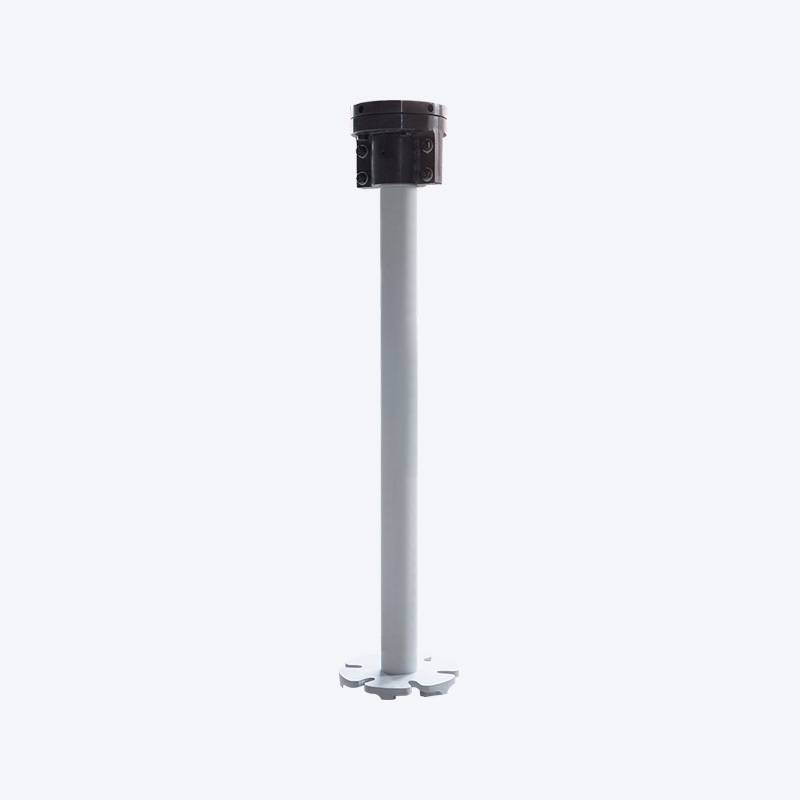
At SGJL, we have spent more than 20 years developing advanced ceramic materials for the aluminum industry. Our SG-28 silicon nitride ceramic series is specifically engineered for molten aluminum contact. The SG-28 silicon nitride ceramic degassing rotor is our flagship product for hydrogen removal. It combines high strength, excellent thermal shock resistance, and non-wetting behavior to deliver reliable performance heat after heat.
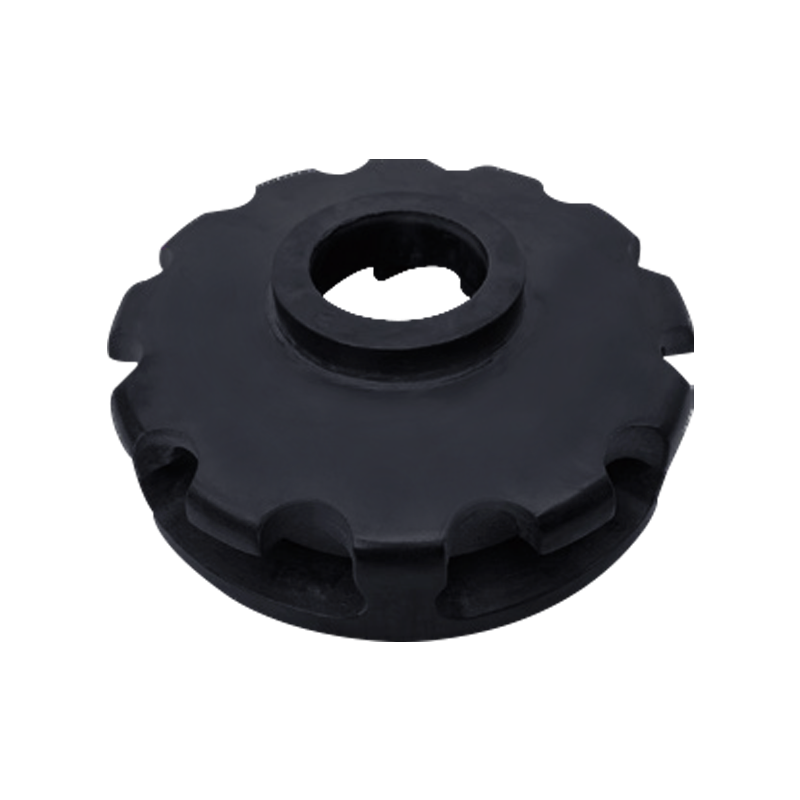 SG-28 Silicon Nitride Ceramic Degassing RotorCompared with graphite rotors, SG-28 silicon nitride ceramic degassing rotor are al not oxidized in high-temperature status, so they do not pollute molten aluminum and...View Product →
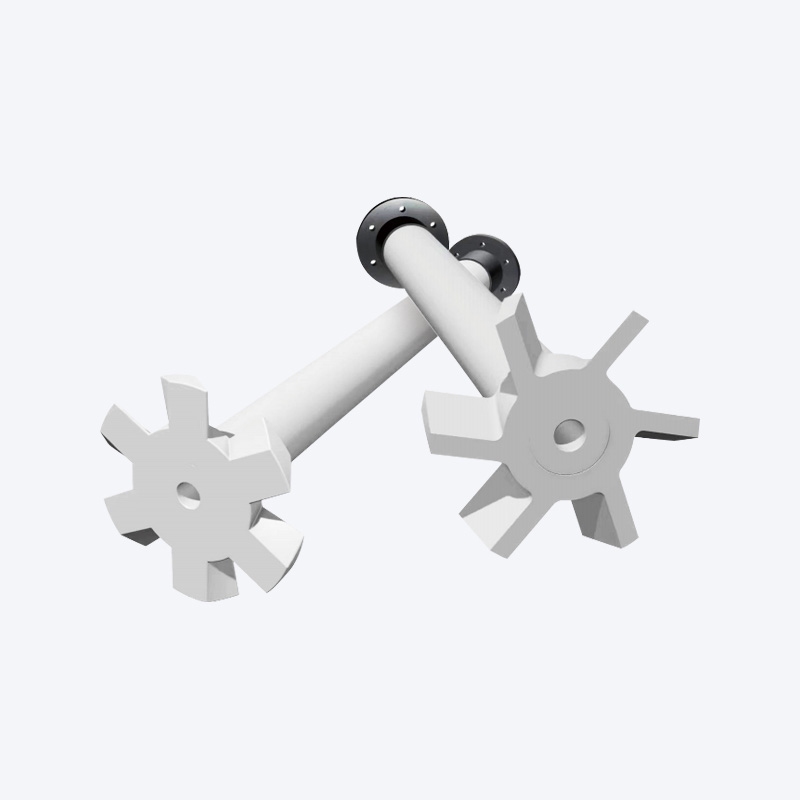
For foundries that need a different balance of properties, we also offer the OS-11 O'Sialon ceramic degassing rotor. O'Sialon is a silicon nitride-based material that provides outstanding toughness and chemical stability. It is an excellent choice for aggressive alloys or applications with rapid temperature cycling.
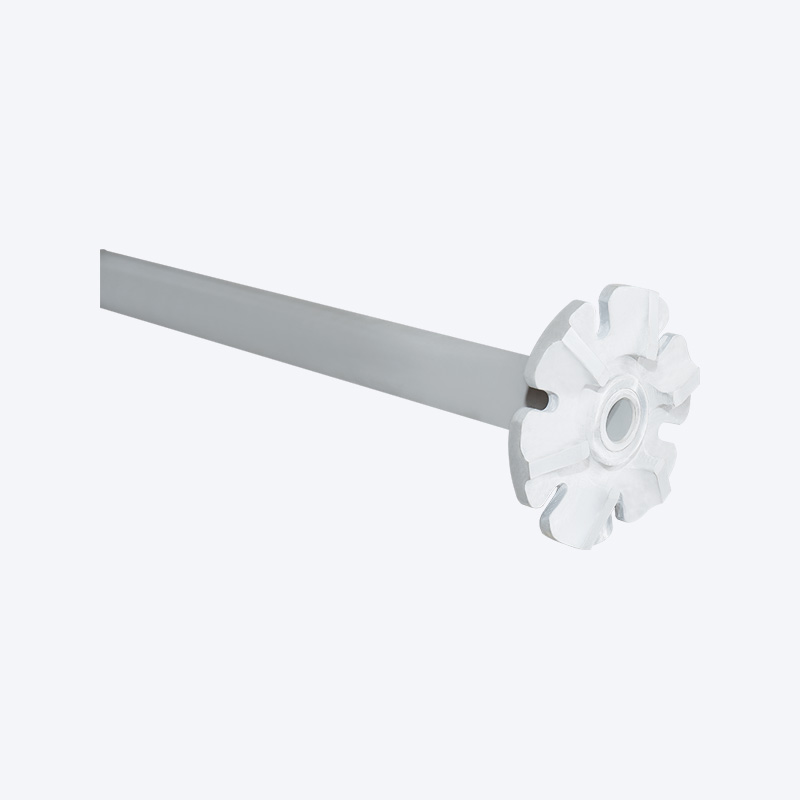 OS-11 O'Sialon Ceramic Degassing RotorWith non-wetting properties close to those of boron nitride, O'Sialonn ceramics do not stick to aluminium and do not wear out, can be repeatedly immersed and removed f...View Product →
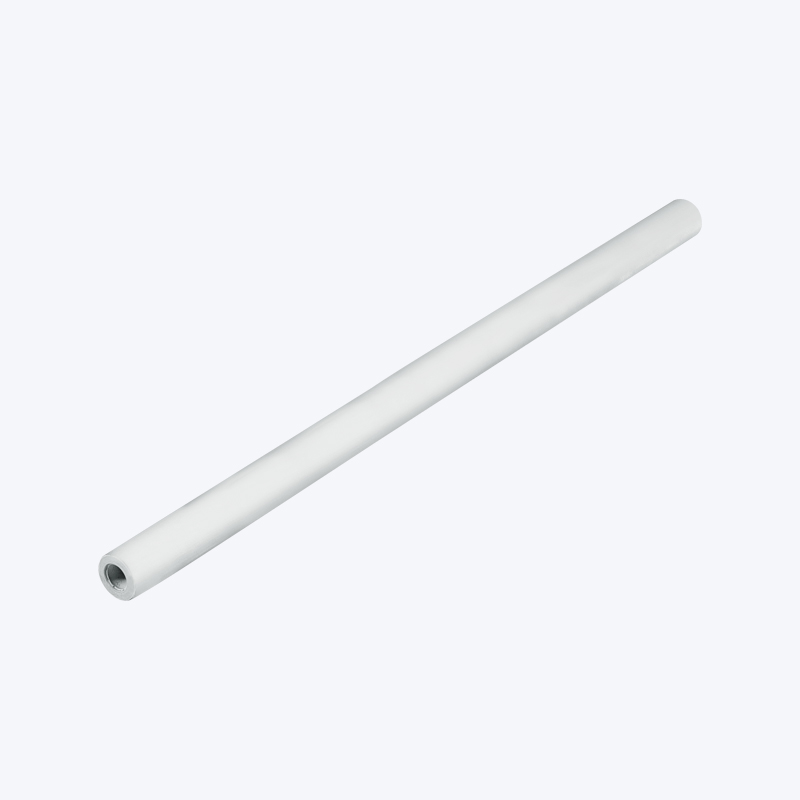
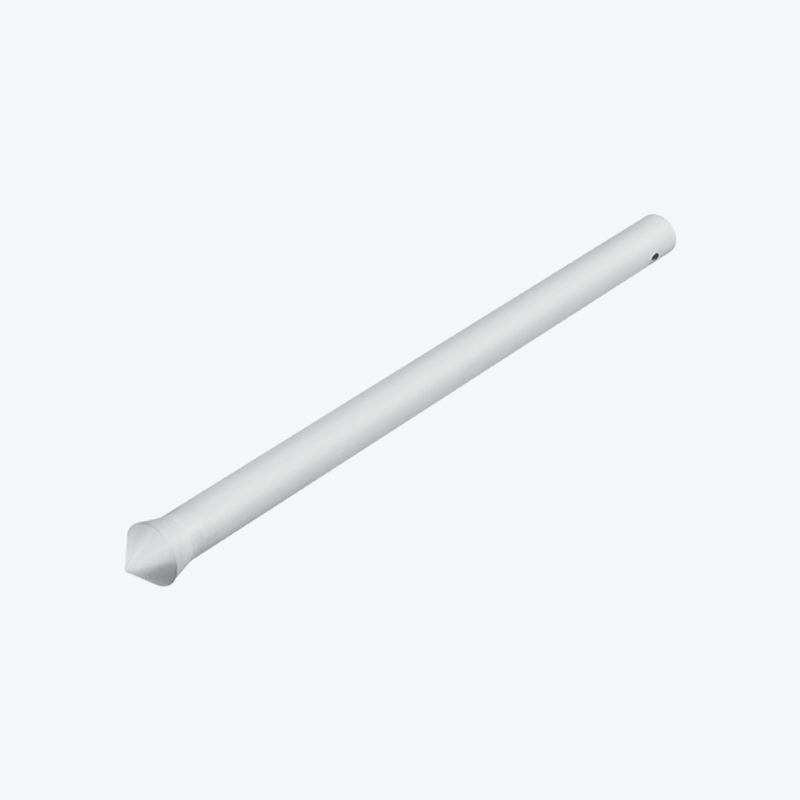
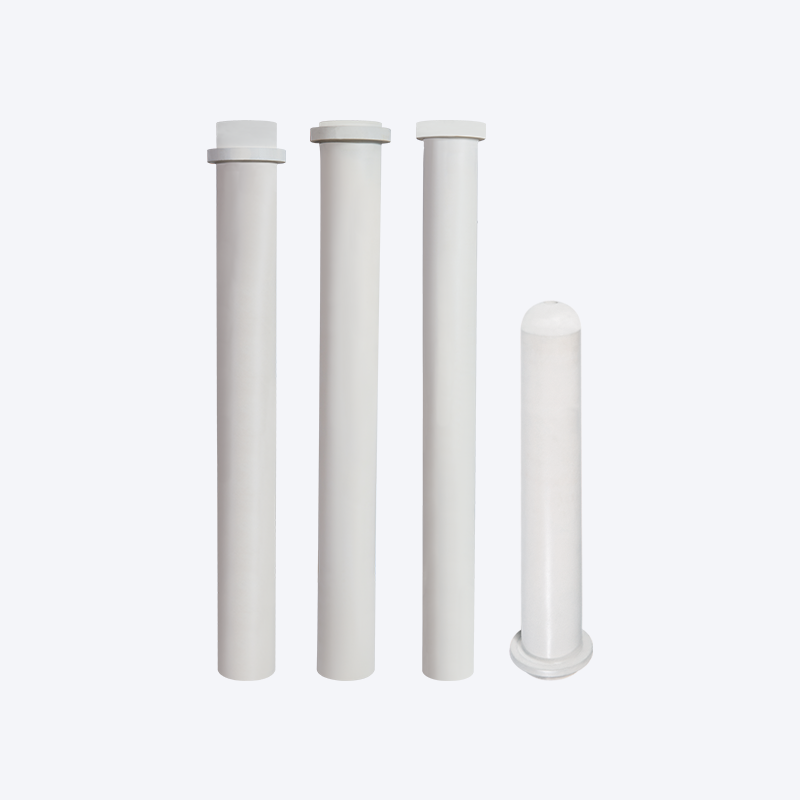
Beyond the rotor itself, we supply a full range of ceramic components for the aluminum melt, including riser tubes, stopper tubes, heater protection tubes, and precise tube filters. This means you can source multiple consumables from one experienced partner, with consistent material quality and responsive technical support.
Installation and Maintenance Best Practices
A silicon nitride degassing rotor is a precision ceramic component, so handling and installation matter. Follow these guidelines to get the longest possible service life:
- Preheat the rotor gradually before immersion. A slow warm-up reduces thermal stress and helps prevent cracks.
- Inspect the shaft, coupling, and rotor head for damage before each campaign. Even a small chip can grow into a crack under thermal cycling.
- Use the correct torque when tightening the rotor to the shaft. Over-tightening can crush the ceramic; under-tightening can cause vibration and gas leaks.
- Maintain a stable gas flow rate and avoid sudden pressure spikes. Consistent operation is easier on both the rotor and the melt.
- After use, allow the rotor to cool naturally. Do not quench it in water or cold metal.
We also recommend keeping a spare rotor on hand. Downtime is expensive, and a planned replacement is far cheaper than an emergency shutdown. For a deeper look at performance data and field results, read our article on how silicon nitride degassing rotors improve aluminum casting performance.
Frequently Asked Questions
How long does a silicon nitride degassing rotor last?
Service life depends on alloy, temperature, gas flow, and handling. In typical aluminum foundry conditions, our customers report several times the life of a graphite rotor. Some run the SG-28 rotor for many months before replacement.
Can I use the same rotor for casting and die casting?
Yes. Silicon nitride is suitable for both gravity casting and high-pressure die casting. The key is to select the correct head diameter and shaft configuration for your degassing unit and vessel size.
Does silicon nitride contaminate the aluminum melt?
No. Silicon nitride is chemically stable and non-wetting in contact with molten aluminum. It does not introduce harmful elements or react to form inclusions. This is one of the main reasons foundries choose it for high-purity alloys.
Silicon nitride degassing rotors are a proven upgrade for aluminum foundries that want cleaner metal, lower scrap rates, and fewer maintenance headaches. As a company serving the global aluminum industry, SGJL is proud to offer ceramic components that stand up to the demands of molten metal. If you are ready to improve your degassing process, our team can help you select the right rotor and support you from trial to full production. Contact us today to discuss your application.
Hot Products
Contact Us for Quotes and Prices!
Just let us know what you want, and we will get in touch with you as soon as possible!

We will continue to develop and produce more advanced ceramic materials for the aluminum processing industry.
Scan the Mobile QR code
Contact
 +86-18501518842 / +86-13587222672
 +86-0572-2926332 / 2926337
 +86-0572-2926335
 [email protected] / [email protected] / [email protected]
 No.11 Building, South Taihu High-tech Intelligent Manufacturing Industrial Park, Wuxing District, Huzhou City, Zhejiang, China
Copyright© 2024 Zhejiang Shangguijuli Special Material Technology Co., Ltd. All Rights Reserved. Ceramic Material Supplier


