

Tel:+86-0572-2926332 / 2926337

E-mail:[email protected]
 REQUEST A QUOTE

 en
en  English
 简体中文
简体中文Silicon Nitride Ceramics: Properties, Types and Their Use in Aluminium Casting
2026.09.23
Silicon nitride ceramics are the material many engineers reach for when steel, graphite and conventional refractories no longer hold up. Where molten metal, rapid thermal cycling and abrasive wear meet, silicon nitride (Si3N4) offers a rare combination of strength, thermal shock tolerance and chemical stability, and that is exactly why it has become a familiar sight in aluminium casting and die casting hot-end tooling.
Our team has worked with silicon nitride ceramics for more than twenty years, from powder selection through to the finished rotor, riser tube or heater protection tube. In this guide we share what that experience has taught us about the material itself, the grades available, and the practical questions that come up when a foundry decides to move a worn component over to ceramic.
Content
What Are Silicon Nitride Ceramics?
Silicon nitride is a compound of silicon and nitrogen. Its strong covalent bonds give it properties that metals and most oxide ceramics cannot match: it stays hard at high temperature, shrugs off thermal shock, and does not react readily with molten non-ferrous metals.
The microstructure explains much of the performance. Silicon nitride exists in two crystallographic forms, alpha and beta. During sintering the alpha phase converts into beta, which grows as elongated, needle-like grains. Those grains interlock like felt, and that network is what gives silicon nitride ceramics their toughness: they absorb energy instead of shattering the way coarse or glassy ceramics do.
The properties that matter most in industrial service include:
- Flexural strength typically between 600 and 1,200 MPa, depending on grade
- Fracture toughness roughly twice that of alumina ceramics
- Density around 3.2 grams per cubic centimetre, well below steel
- Low thermal expansion and excellent thermal shock resistance
- Chemical inertness against most acids, salts and molten non-ferrous metals
- High electrical resistivity, useful near heating elements
- Very low wettability by molten aluminium
That last property deserves emphasis. A ceramic the melt cannot wet stays clean, keeps its dimensions and does not drag oxides or dissolved elements into the casting. It is the single biggest reason silicon nitride ceramics displaced earlier materials in degassing and transfer equipment.
Manufacturing Routes and Why the Grade Matters
"Silicon nitride ceramic" is not one material. Depending on how the powder is shaped, how much sintering aid is added and how the part is densified, the same chemistry can produce a porous, inexpensive refractory-grade component or a nearly fully dense structural ceramic that survives years in a die casting cell.
- Reaction-bonded silicon nitride (RBSN): nitrogen reacts with a silicon preform, giving a porous but dimensionally stable body that needs little machining.
- Sintered silicon nitride (SSN): pressureless sintering with oxide additives such as yttria, alumina or magnesia.
- Gas-pressure sintered silicon nitride (GPSN): high nitrogen pressure suppresses decomposition and pushes density above 99 percent.
- Hot-pressed silicon nitride (HPSN): uniaxial pressure during densification gives the highest strength but restricts parts to simple shapes.
- Sintered reaction-bonded silicon nitride (SRBSN): a hybrid route that starts from reaction bonding and finishes with sintering.
Sintering additives matter just as much as the route. They promote densification by forming a thin glassy phase at the grain boundaries, and the composition of that phase decides how the material behaves in service: a well-designed system keeps the boundaries resistant to creep, while a poor one softens at temperature.
| Grade | Relative density | Flexural strength | Typical use |
|---|---|---|---|
| RBSN | 75 to 85 percent | 200 to 300 MPa | Large, complex, low-cost shapes |
| SSN | above 95 percent | 600 to 800 MPa | General wear and corrosion parts |
| GPSN | above 99 percent | 800 to 1,000 MPa | High-reliability structural parts |
| HPSN | above 99 percent | 900 to 1,200 MPa | Dense, simple geometries |
| SRBSN | above 97 percent | 600 to 900 MPa | Near-net shapes with good strength |
We have written a step-by-step technical note on the manufacturing process of silicon nitride ceramics if you would like to go deeper into powder preparation, shaping, sintering and inspection.
Why Silicon Nitride Ceramics Excel in Molten Aluminium
Aluminium is more aggressive than it looks. At 700 to 750 degrees Celsius the melt reduces many oxides, wets most refractories and reacts with iron, silicon and oxygen at the surface of whatever it touches. A component that reacts with the melt does not simply wear out; it changes the chemistry of the metal and creates the inclusions that fail castings at final inspection.
Silicon nitride ceramics behave differently. Their low wettability means aluminium runs off instead of clinging, so rotors and tubes keep their geometry. Their chemical inertness means the melt stays clean. Their thermal shock resistance means a cold protection tube can go straight into a hot furnace without a slow preheating ritual that eats into a shift.
Typical hot-end components made from silicon nitride ceramics include:
- Degassing and refining rotors for hydrogen and inclusion removal
- Riser tubes and stalk tubes for low-pressure casting and metal transfer
- Stopper rods and valve components for flow control
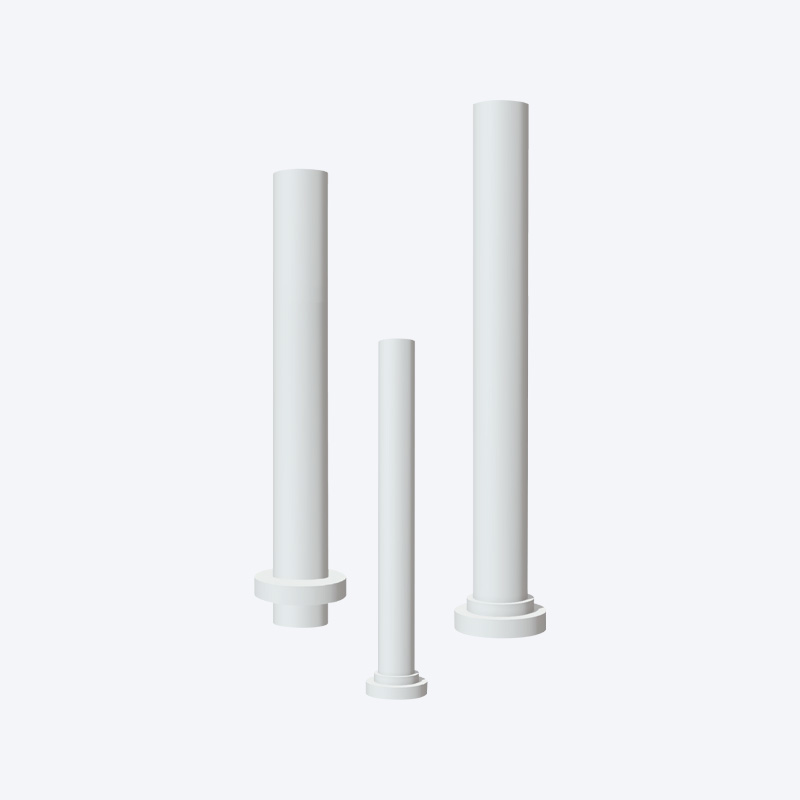
- Heater protection tubes and thermocouple protection tubes
- Launder linings, fluxing pipes, control rods and pump parts
Degassing rotors show how much the material matters. A rotor spins at several hundred revolutions per minute while partially submerged, breaking the gas stream into fine bubbles that strip hydrogen from the melt. It has to tolerate immersion, violent stirring and thousands of heating and cooling cycles without losing balance or shedding particles into the metal.
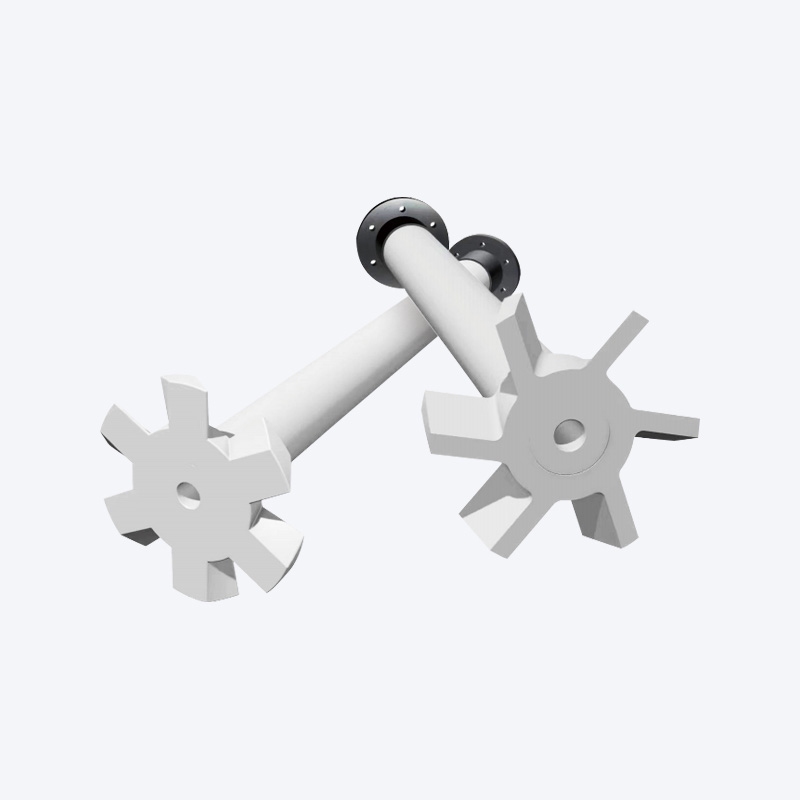
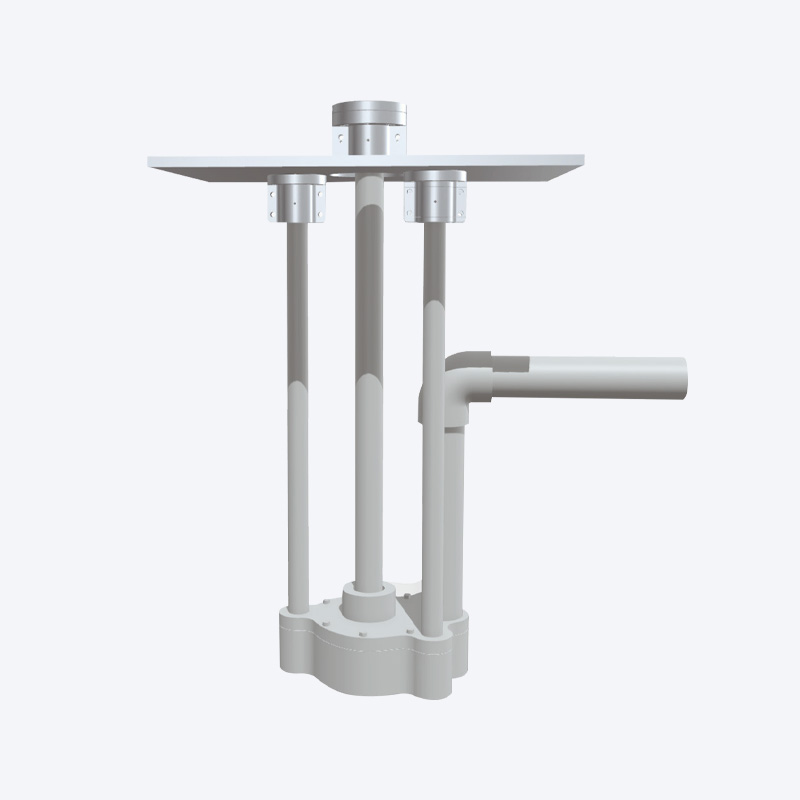
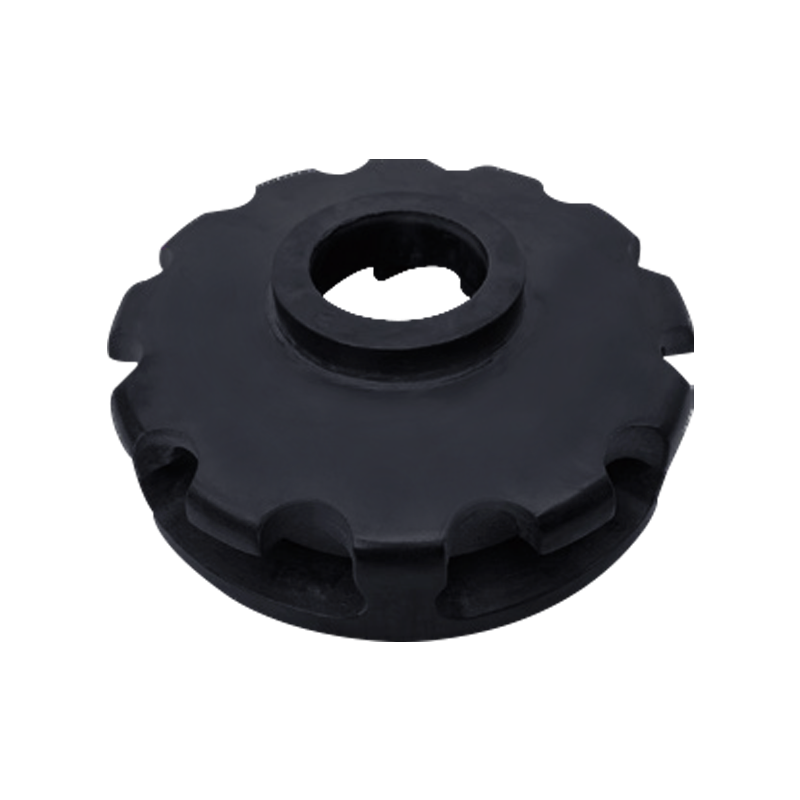 SG-28 Silicon Nitride Ceramic Degassing RotorCompared with graphite rotors, SG-28 silicon nitride ceramic degassing rotor are al not oxidized in high-temperature status, so they do not pollute molten aluminum and...View Product →
Aluminium casting and die casting are the two application areas where we see the strongest demand, and the same material logic runs all the way from the melting furnace to the mould.
Matching Components to Each Step of the Hot End
Once a foundry decides to move a component to silicon nitride ceramics, the next question is which grade and which design suit the duty. The answer usually follows the process sequence.
Degassing and refining
Rotors, fluxing pipes and control rods work in the most turbulent part of the process. They need maximum strength and thermal shock resistance, so fully dense grades are the norm. Wall thickness, thread design and the way the rotor is clamped to the shaft matter as much as the material itself, because a rotor that fails at the joint never gets the chance to prove its wear resistance.
Filtration
Fine filtration removes the last inclusions before the metal reaches the mould. Ceramic filter elements must combine permeability with enough strength to survive handling, preheating and the pressure of a full launder. A tube geometry is particularly effective where floor space is limited and the melt has to be cleaned in a compact, replaceable unit.
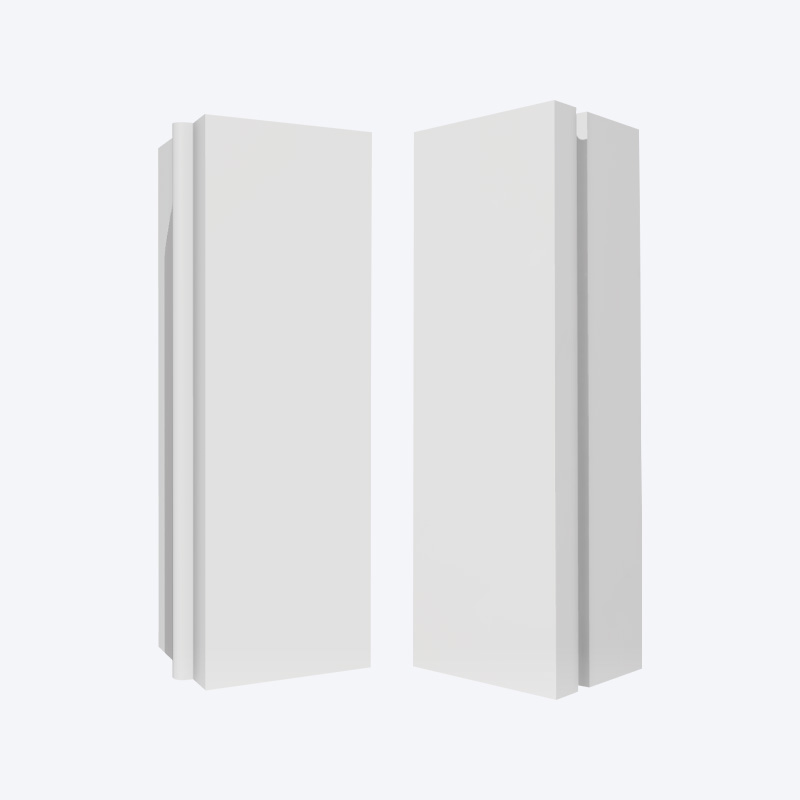
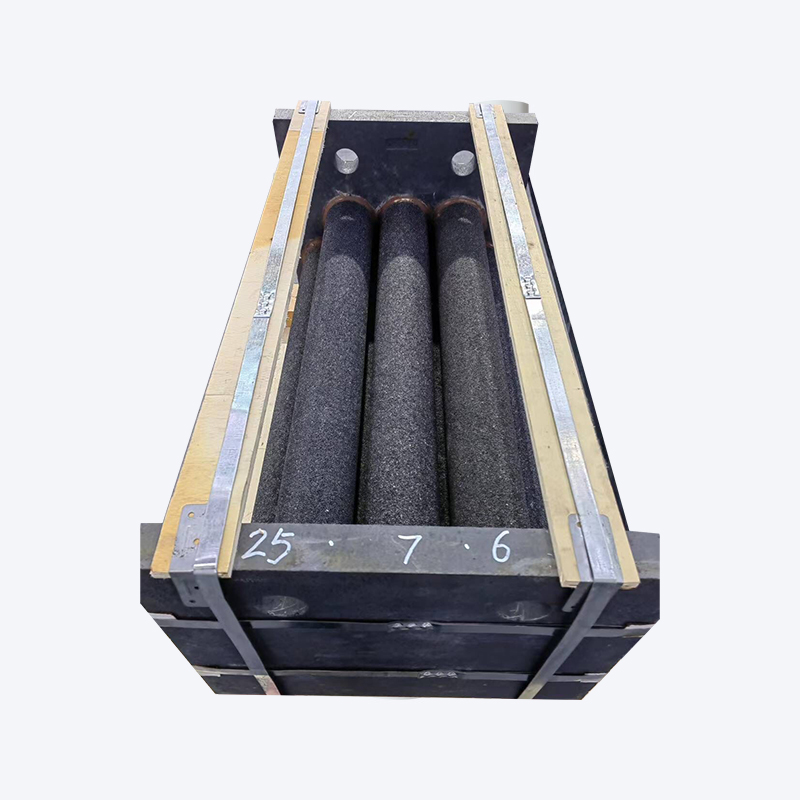 SMF-02 Precise Tube FilterAs the aluminum casting industry faces increasingly stringent requirements for molten aluminum purity, along with growing demands for high-end manufacturing and enviro...View Product →
Heating and temperature control
Immersion heaters and their outer tubes operate continuously in a bath of liquid aluminium. The ceramic tube must conduct heat efficiently without reacting with the melt, and it must resist the thermal gradients created when the bath level changes. Protection tubes for thermocouples face the same environment while demanding tighter dimensional control, because a few tenths of a millimetre can change the response time of the sensor.
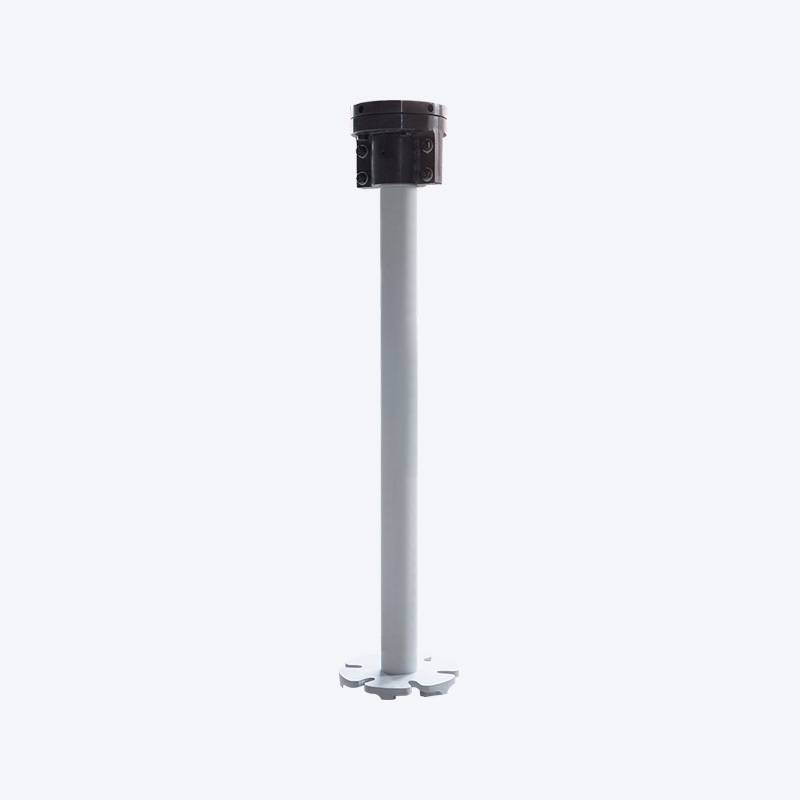
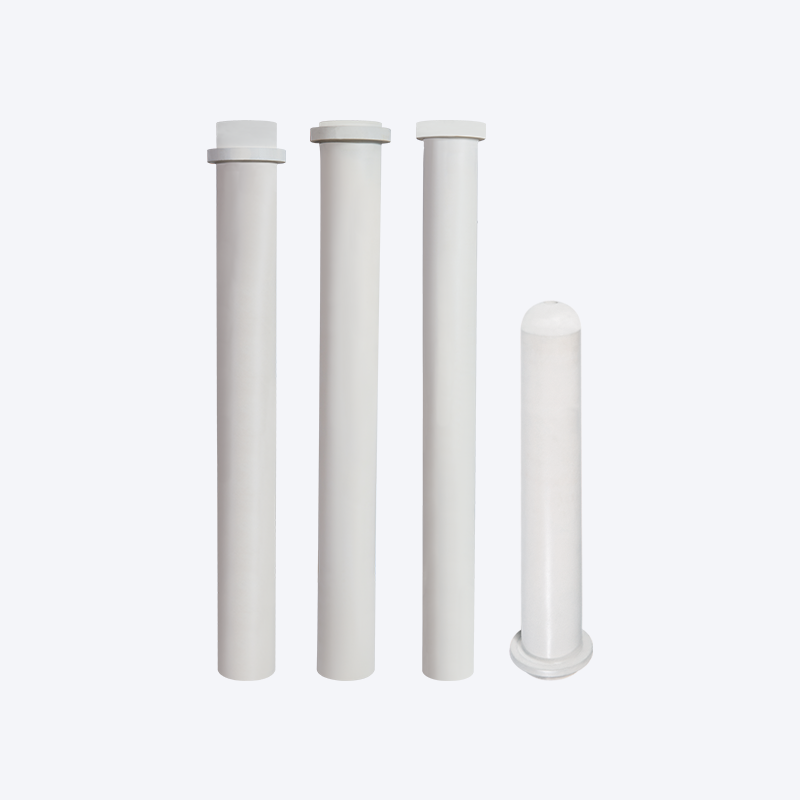
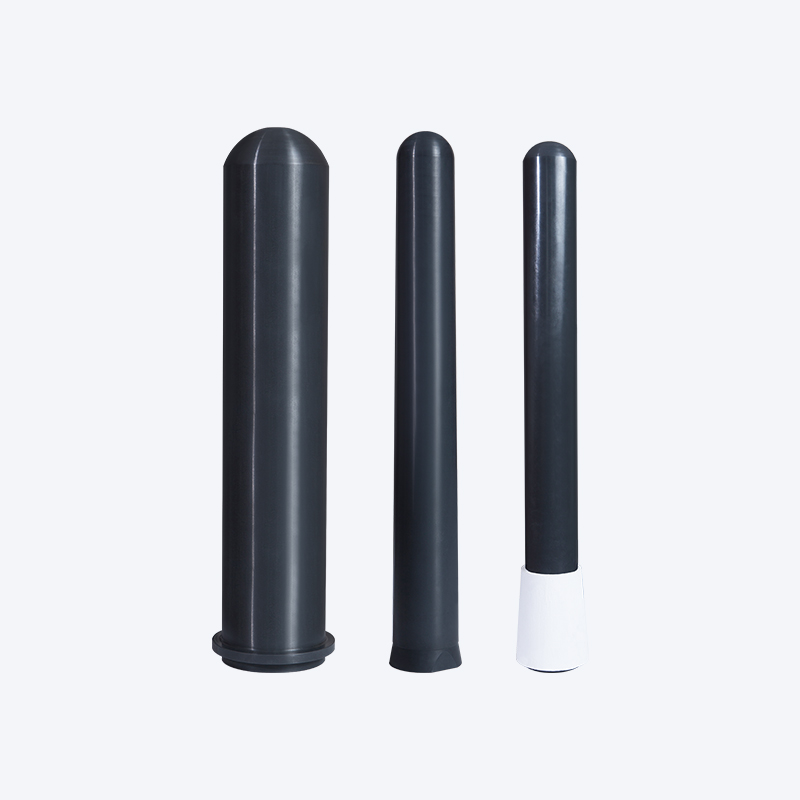 SG-28 Silicon Nitride Ceramic Heater Protection TubeSG-28 silicon nitride ceramic heater protection tube has strong resistance to high temperature, corrosion, and thermal shock in molten aluminum. It can withstand the h...View Product →
Transfer, flow control and casting
Riser tubes, stopper rods, control rods and pump parts form the plumbing of the foundry. Here the priorities are dimensional accuracy, resistance to erosion at the bore, and the ability to survive repeated thermal cycles without cracking at the flange. Because these parts are often large, the choice of manufacturing route has a direct effect on both cost and delivery time.
How to Evaluate a Silicon Nitride Ceramics Supplier
Silicon nitride is difficult to make well, and the difference between a good part and a mediocre one usually shows up six months into service rather than on the drawing. When customers ask us to quote against an incumbent supplier, we suggest they compare on a few practical points.
- Ask which grade is being offered and why. A supplier who cannot explain the difference between a pressureless-sintered and a gas-pressure-sintered body is unlikely to control that difference in production.
- Ask about dimensional control. Rotor threads, tube bores and flange faces have to be right, because a ceramic part cannot be adjusted on site.
- Request test data rather than adjectives. Strength, density and thermal shock results should come from a defined test method.
- Check the delivery model. Consumable ceramics are replaced on a schedule, so lead time and the ability to hold stock matter as much as unit price.
- Look at who else the supplier serves. A manufacturer focused on aluminium and other non-ferrous hot ends will understand your process and your failure modes.
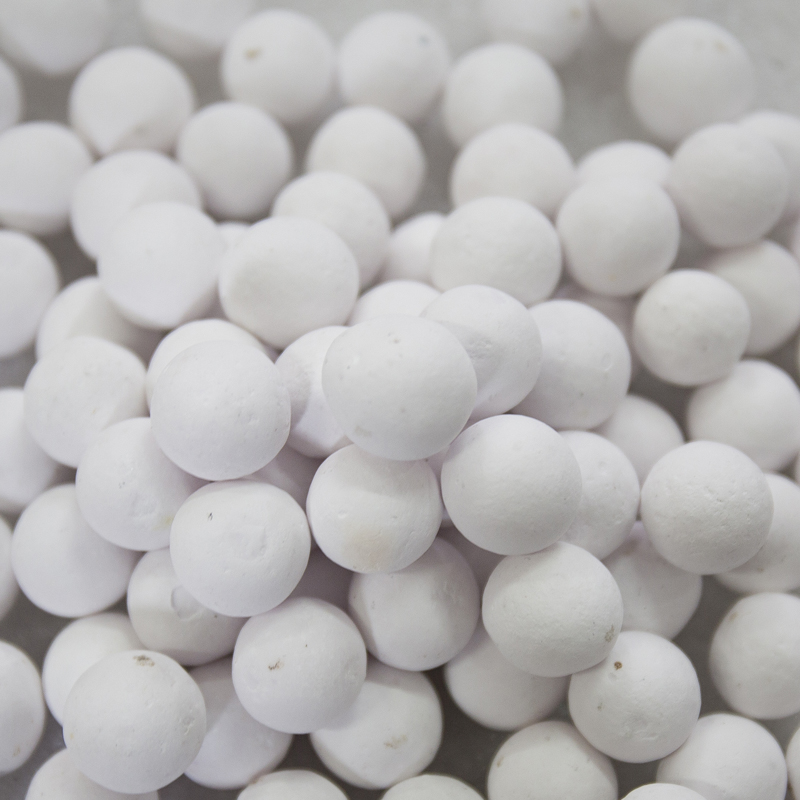
At SGJL we manufacture silicon nitride and related ceramic materials in a facility of 20,000 square metres and ship to customers in more than thirty countries, with the aluminium casting and die casting industries as our core market. Our product families include SG-28 silicon nitride, OS-11 O'Sialon, TA-03 aluminium titanate, high-efficiency immersion heaters, corundum thermal storage balls and full ceramic pump parts.
Silicon nitride ceramics are not a universal answer, and we would never suggest replacing every refractory in a foundry with them. But where molten aluminium is involved, where parts fail early or contaminate the melt, and where maintenance windows are short, they consistently pay for themselves. If you are weighing up a change on a rotor, a riser tube or a heater protection tube, we are glad to talk through your duty cycle and recommend the grade that fits it.
Hot Products
Contact Us for Quotes and Prices!
Just let us know what you want, and we will get in touch with you as soon as possible!

We will continue to develop and produce more advanced ceramic materials for the aluminum processing industry.
Scan the Mobile QR code
Contact
 +86-18501518842 / +86-13587222672
 +86-0572-2926332 / 2926337
 +86-0572-2926335
 [email protected] / [email protected] / [email protected]
 No.11 Building, South Taihu High-tech Intelligent Manufacturing Industrial Park, Wuxing District, Huzhou City, Zhejiang, China
Copyright© 2024 Zhejiang Shangguijuli Special Material Technology Co., Ltd. All Rights Reserved. Ceramic Material Supplier


