

Tel:+86-0572-2926332 / 2926337

E-mail:[email protected]
 REQUEST A QUOTE

 en
en  English
 简体中文
简体中文Silicon Nitride Ceramic Riser Tubes: Performance, Selection & Supplier Tips
2026.09.15
An aluminum foundry running low-pressure casting lines knows the exact moment a riser tube becomes a liability: the first hairline crack that lets molten metal seep out, contaminates the melt, and shuts down an entire cell for cleaning. In that situation, the material choice is no longer a maintenance detail — it is a production planning decision. For aluminum casting temperatures around 750°C, repeated thermal cycling, and exposure to aggressive fluxes, silicon nitride ceramic riser tubes deliver the longest, most predictable service life among currently practical materials.
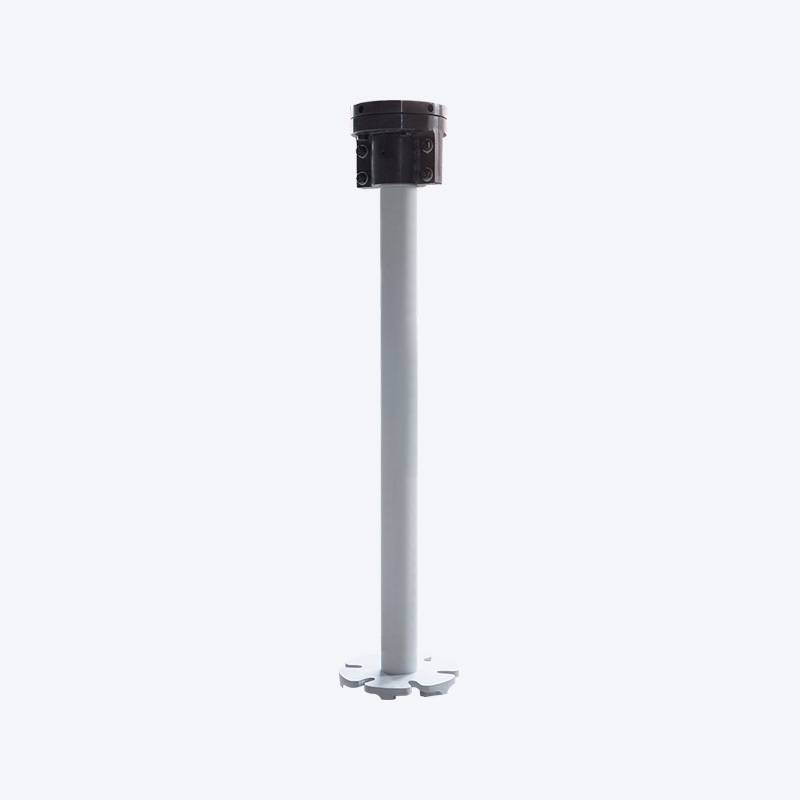
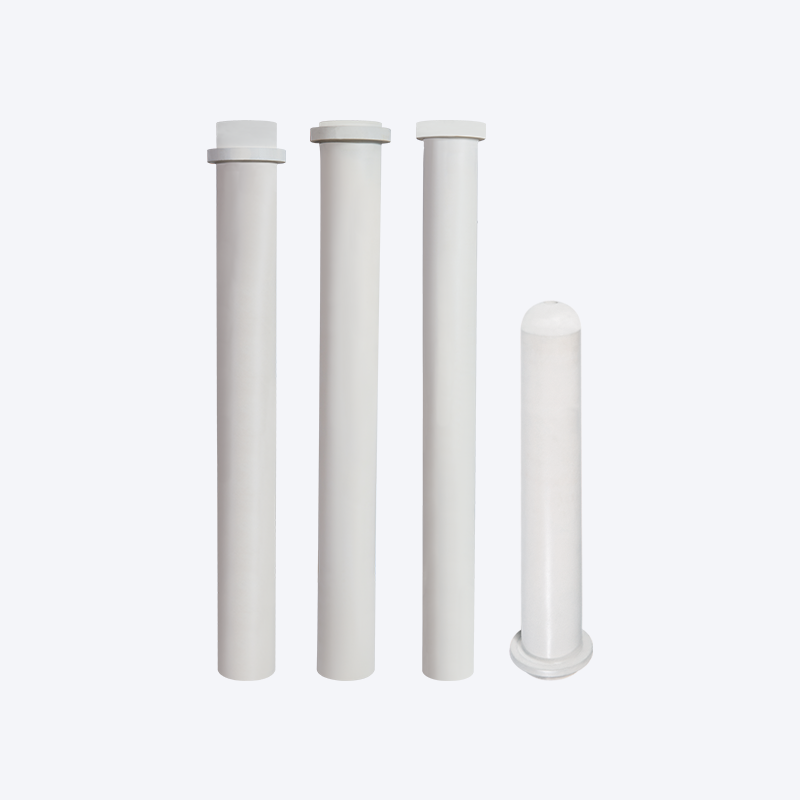
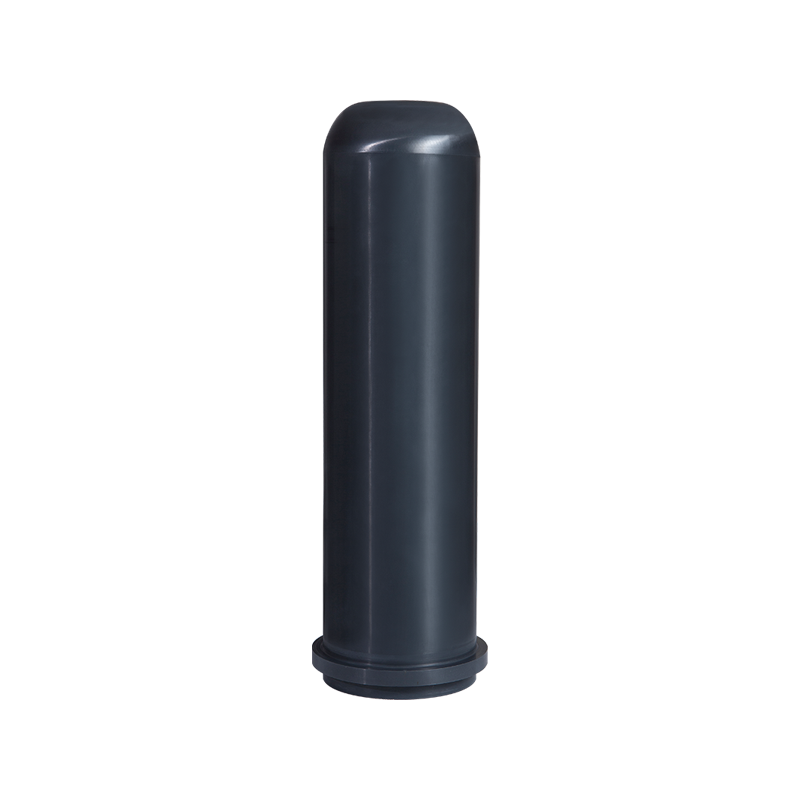 SG-28 Silicon Nitride Ceramic Riser Tube for Aluminum CastingThis silicon nitride riser tube offers corrosion resistance and low wetting by molten aluminum, extending service life compared to cast iron or refractories. Its dense structure supports reliable operation in thermal cycling environments.View Product →
The SG28 silicon nitride riser tube from SGJL is one example of this material family engineered specifically for aluminum transfer lines. Its dense microstructure and low wetting by molten aluminum are not marketing claims; they are measurable properties that determine how many cycles a tube can survive before replacement.
Content
- 1 What a Silicon Nitride Ceramic Riser Tube Does
- 2 Why Silicon Nitride Outperforms Conventional Riser Tube Materials
- 3 Key Properties That Determine Service Life in Practice
- 4 Where Silicon Nitride Riser Tubes Are Used
- 5 What to Check Before Choosing a Supplier
- 6 Handling and Installation Tips That Extend Tube Life
What a Silicon Nitride Ceramic Riser Tube Does
In low-pressure and differential-pressure casting, molten aluminum is pushed by gas pressure from a holding furnace up through a vertical tube and into a die above it. That vertical tube is the riser tube, also called a stalk. It experiences three conditions that kill most materials:
- Sustained contact with reactive molten aluminum
- Rapid temperature swings during startup, shutdown, and die changes
- Mechanical loading from clamping and pressure variations
Silicon nitride ceramic handles all three because of its combination of high bend strength, low thermal expansion, and chemical stability against aluminum alloys.
Why Silicon Nitride Outperforms Conventional Riser Tube Materials
Grey cast iron riser tubes still appear in older foundries because they are cheap and easy to machine, but iron contributes to the melt, shortens tube life, and requires frequent replacement. Graphite tubes handle temperature shock well but oxidize in air and contaminate aluminum with carbon pick-up. Alumina tubes resist oxidation but fracture unpredictably under thermal shock. Silicon nitride is the material that does not force you to choose between these failure modes.
Three physical properties explain the difference:
Thermal Shock Resistance
When the tube tip enters molten aluminum, a steep temperature gradient develops across the wall. Silicon nitride's low coefficient of thermal expansion and relatively high thermal conductivity minimize the stress that creates cracks. This translates to fewer preheating requirements and less risk of cracking during normal operation.
Non-Wetting Behavior
Molten aluminum does not wet silicon nitride well, meaning aluminum tends not to stick to the inner and outer surfaces. The result is less dross buildup, a cleaner bore for metal flow, and easier removal of any buildup during routine maintenance.
Mechanical Strength at Operating Temperature
Unlike polymer-bonded or porous ceramic materials that gradually lose strength in service, dense reaction-bonded or sintered silicon nitride retains a high fraction of its room-temperature strength at 800°C. This matters when gas pressure pushes against the tube wall during the pressurization cycle.
The following typical comparison is based on common foundry experience with these material categories.
| Material | Aluminum erosion resistance | Thermal shock resistance | High-temperature strength | Typical life in low-pressure casting |
|---|---|---|---|---|
| Cast iron | Poor | Poor to fair | Good at room temperature | Weeks to months |
| Graphite | Fair, carbon pickup risk | Excellent | Moderate | Months |
| Alumina ceramic | Good | Fair | Good | Varies unpredictably |
| Silicon nitride ceramic | Excellent | Excellent | Excellent at temperature | Months to years, process dependent |
The exact life figure depends on alloy temperature, fluxes, and how often the tube is thermally cycled, but the ranking is consistent across foundry experience.
Key Properties That Determine Service Life in Practice
Not all silicon nitride tubes are the same. When evaluating a riser tube, ask the supplier for the following values rather than relying on generic marketing:
- Bend strength (MPa): In sintered silicon nitride, values above 600 MPa indicate a dense structural ceramic suitable for load-bearing service.
- Volume density (g/cm3): Dense materials above 3.2 g/cm3 resist penetration by aluminum and fluxes.
- Thermal expansion coefficient: Lower values mean better resistance to thermal cycling. Sintered silicon nitride typically falls around 3.2 ppm/K.
- Open porosity: The tube wall should be effectively gas-tight and non-absorbent; high porosity leads to metal infiltration and premature failure.
- Surface finish: A smooth bore reduces dross adhesion and keeps the metal path unrestricted.
These parameters determine whether a tube fails gradually or catastrophically. A supplier that cannot provide at least bend strength and density data may not be controlling sintering quality consistently.
Where Silicon Nitride Riser Tubes Are Used
Silicon nitride riser tubes are most common in aluminum low-pressure casting lines for wheels, cylinder heads, and structural brackets, where the metal path must stay clean and the tube must endure thousands of cycles without cracking. They also appear in differential-pressure casting and in secondary aluminum transfer systems where iron contamination is unacceptable.
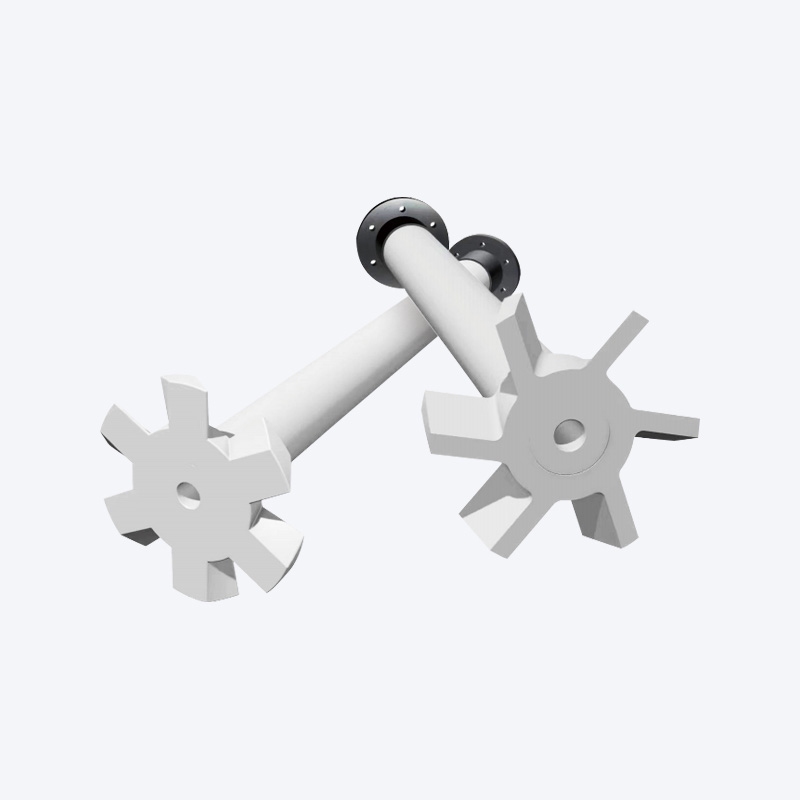
In many foundries, the riser tube does not work alone. The same aluminum quality requirements usually apply to the degassing system upstream. The SG28 silicon nitride degassing rotor is built from the same material family and complements the riser tube in a complete melt-treatment setup.
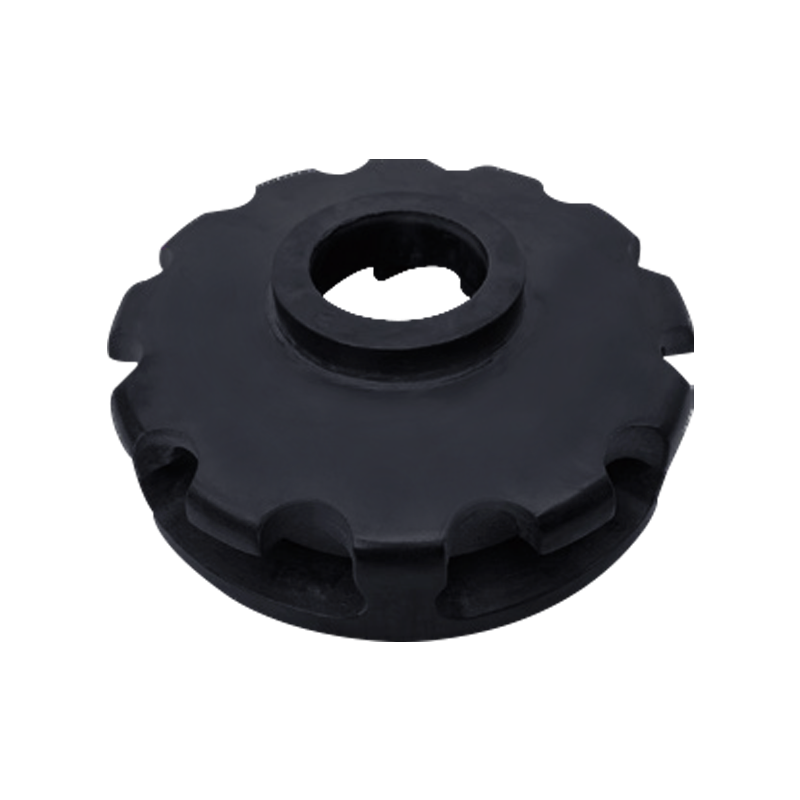 SG-28 Silicon Nitride Ceramic Degassing Rotor for Melt TreatmentA high-speed rotor up to 600 rpm with tight concentricity and stainless steel connections, designed to complement riser tubes in aluminum degassing. It resists oxidation and reaction with molten aluminum for consistent performance.View Product →
If your operation uses multiple aluminum casting cells, the consistency of silicon nitride tubes also simplifies inventory management: one material specification covers most transfer positions. For more context on how these components fit into the overall process, see our aluminum casting application overview.
What to Check Before Choosing a Supplier
Because the riser tube is a consumable that directly affects scrap rate and line uptime, the purchase decision should be based on verifiable data, not just price. There are five practical steps:
- Ask for material data: A real datasheet for the specific grade, for example SG28, should list bend strength, density, thermal expansion, maximum use temperature, and typical grain size.
- Demand dimensional tolerances: A tube with tight outer diameter tolerance seals better at the furnace top plate and avoids metal bypass.
- Check thermal shock testing: Good suppliers can describe the test used to qualify tubes, such as repeated immersion into molten aluminum after preheating.
- Request case references: Ask about foundries with similar alloy and cycle characteristics, not just total sales volume.
- Test before scaling: Start with one or two tubes that match your furnace geometry, document lifespan, and compare against your current baseline.
For a deeper look at the failure mechanisms behind silicon nitride riser life, see our technical article on why silicon nitride riser tubes last longer in aluminum applications.
Handling and Installation Tips That Extend Tube Life
Silicon nitride is tougher than most ceramics, but it is still brittle in the engineering sense. The most common premature failures come from handling damage and incorrect installation, not from the material itself.
- Inspect every tube under bright light before installation. A crack that is barely visible at room temperature will open up at molten metal temperature.
- Preheat slowly and evenly. A tube placed into 750°C aluminum without preheating creates a thermal gradient that can crack even silicon nitride.
- Use the correct seal at the furnace plate. An oversized seal creates local stress; an undersized one allows metal to escape.
- Center the tube in the die opening so that clamping forces are symmetrical.
- Never hammer the tube into place. If it does not fit freely, the geometry is wrong.
Following these practices not only makes the tube last longer; it also makes the failure modes predictable, which is more valuable to a production plan than a few extra weeks of life.
The reliable riser tube is the one you do not have to think about during a shift. Silicon nitride ceramic has grown beyond prototype territory in aluminum casting: it is now the material that lets foundries schedule maintenance, reduce metal losses, and stop treating riser tubes as a weekly consumable item. When you evaluate a silicon nitride riser tube, measure it against your real duty cycle, ask for material evidence, and test it in your own line before committing to a full changeover.
Hot Products
Contact Us for Quotes and Prices!
Just let us know what you want, and we will get in touch with you as soon as possible!

We will continue to develop and produce more advanced ceramic materials for the aluminum processing industry.
Scan the Mobile QR code
Contact
 +86-18501518842 / +86-13587222672
 +86-0572-2926332 / 2926337
 +86-0572-2926335
 [email protected] / [email protected] / [email protected]
 No.11 Building, South Taihu High-tech Intelligent Manufacturing Industrial Park, Wuxing District, Huzhou City, Zhejiang, China
Copyright© 2024 Zhejiang Shangguijuli Special Material Technology Co., Ltd. All Rights Reserved. Ceramic Material Supplier


