

Tel:+86-0572-2926332 / 2926337

E-mail:[email protected]
 REQUEST A QUOTE

 en
en  English
 简体中文
简体中文Silicon Nitride Heater Protection Tubes: The Complete Guide to High-Temperature Performance and Selection
2026.03.18
Content
- 1 What Is a Silicon Nitride Heater Protection Tube?
- 2 Key Material Properties That Define Performance
- 3 Common Types and Manufacturing Methods
- 4 Primary Industrial Applications
- 5 Silicon Nitride vs. Other Heater Protection Tube Materials
- 6 How to Select the Right Silicon Nitride Heater Protection Tube
- 7 Installation, Handling, and Maintenance Best Practices
- 8 Frequently Asked Questions About Si₃N₄ Heater Tubes
What Is a Silicon Nitride Heater Protection Tube?
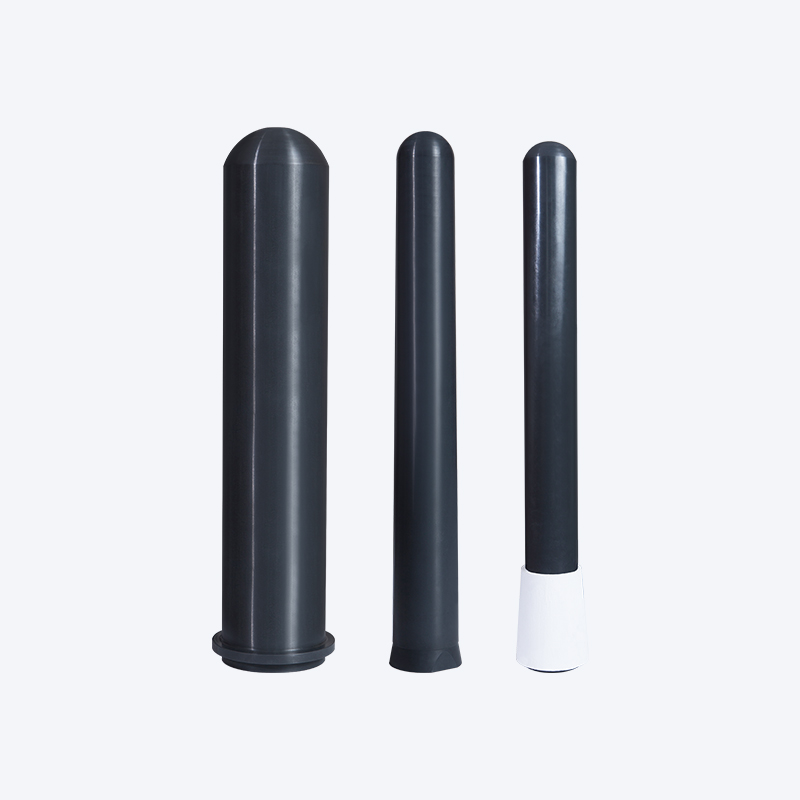
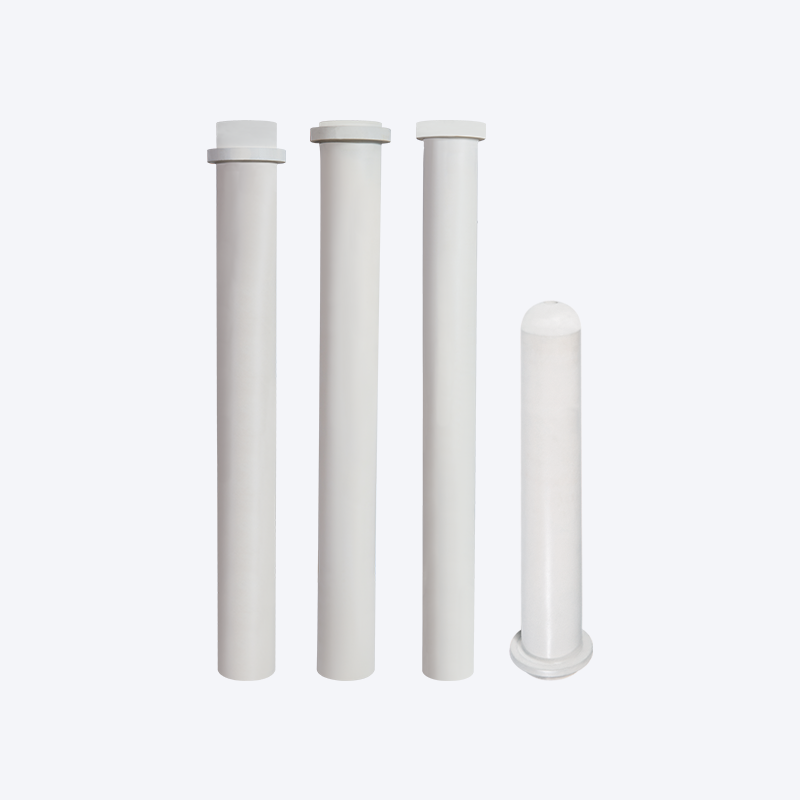
A silicon nitride heater protection tube is a high-performance ceramic component designed to encase and shield heating elements — such as electric resistance heaters, thermocouples, and immersion heaters — from extreme thermal, chemical, and mechanical stresses. Made from silicon nitride (Si₃N₄), these tubes offer a unique combination of high thermal shock resistance, exceptional mechanical strength at elevated temperatures, and outstanding chemical inertness, making them indispensable in demanding industrial heating applications where conventional alumina or quartz tubes fall short.
Unlike oxide ceramics, silicon nitride is a covalently bonded non-oxide ceramic that retains its structural integrity at temperatures exceeding 1300°C. This makes Si₃N₄ heater protection tubes a preferred choice in molten metal processing, semiconductor manufacturing, and high-cycle thermal furnace environments where other materials would crack, corrode, or degrade rapidly.
Key Material Properties That Define Performance
Understanding why silicon nitride is selected over competing ceramic materials requires a close look at its core physical and chemical properties. These characteristics directly translate to longer service life, reduced maintenance downtime, and more stable heating operations.
Thermal Shock Resistance
Silicon nitride heater tubes exhibit outstanding resistance to thermal shock — the mechanical stress caused by rapid temperature changes. This is primarily due to the material's low thermal expansion coefficient (approximately 3.2 × 10⁻⁶/°C) combined with high thermal conductivity relative to other technical ceramics. In environments where heaters cycle on and off frequently or where immersion into molten aluminum occurs, Si₃N₄ tubes withstand repeated rapid heating and quenching cycles without cracking or spalling.
Mechanical Strength at High Temperatures
One of the most significant advantages of Si₃N₄ protection tubes is that they maintain high flexural strength even at operating temperatures above 1000°C. Typical room-temperature flexural strength ranges from 700 to 1000 MPa for hot-pressed or sintered grades, with strength retention above 80% even at 1200°C. This is critical in applications where the tube must support its own weight and resist fluid pressure or buoyancy forces from molten metal baths.
Chemical Resistance
Silicon nitride is highly resistant to attack from non-ferrous molten metals including aluminum, zinc, tin, and lead. It is also resistant to most acid and alkali solutions at moderate temperatures, and does not react with hydrogen, nitrogen, or noble gas atmospheres. This chemical inertness prevents contamination of the molten metal bath — a critical requirement in foundry and die-casting operations where product purity is paramount.
Common Types and Manufacturing Methods
Silicon nitride heater protection tubes are manufactured using several sintering techniques, each producing slightly different property profiles suited to different applications. The most commercially significant methods are outlined below.
| Manufacturing Method | Abbreviation | Density | Typical Use Case |
| Hot Pressed Silicon Nitride | HPSN | ≥3.25 g/cm³ | High-stress structural applications |
| Sintered Silicon Nitride | SSN | 3.10–3.20 g/cm³ | Complex tube geometries |
| Gas Pressure Sintered Si₃N₄ | GPSSN | ≥3.20 g/cm³ | High-temperature furnace components |
| Reaction Bonded Silicon Nitride | RBSN | 2.40–2.70 g/cm³ | Near-net-shape, cost-sensitive parts |
For most heater protection tube applications, sintered silicon nitride (SSN) and gas pressure sintered silicon nitride (GPSSN) provide the best balance of dimensional tolerance, mechanical performance, and cost-effectiveness. RBSN tubes, while more affordable, carry higher porosity and lower strength, which may limit their service life in aggressive environments.
Primary Industrial Applications
Silicon nitride heater protection tubes serve a broad range of high-temperature industries. Their versatility stems from the material's ability to perform where metals corrode and other ceramics crack. Below are the most significant application areas:
Aluminum Foundry and Die Casting
This is by far the largest market for Si₃N₄ heater protection tubes. In aluminum melting furnaces and holding furnaces, electric immersion heaters are submerged directly into molten aluminum at 680–850°C. Silicon nitride tubes protect the heating elements from molten aluminum attack, dross accumulation, and thermal cycling damage. Compared to cast iron or steel protection tubes, Si₃N₄ tubes last significantly longer and introduce zero iron contamination into the aluminum melt — a quality-critical requirement for aerospace and automotive casting operations.
Thermocouple and Temperature Sensor Protection
Silicon nitride thermocouple protection tubes shield Type K, Type N, and Type S thermocouples in molten metal, kiln, and sintering furnace environments. The tubes prevent direct metal contact with thermocouple wires, extending sensor life from hours (if unprotected) to months or years. The low thermal mass of thin-walled Si₃N₄ tubes also improves temperature response time compared to thick oxide ceramic alternatives.
Semiconductor and Electronics Manufacturing
In diffusion furnaces and chemical vapor deposition (CVD) systems, silicon nitride protection tubes for heating elements must not introduce contaminants into ultra-clean processing environments. Si₃N₄ tubes satisfy both the purity requirements and the thermal cycling demands of these processes, where heating zones may be ramped from room temperature to 1100°C in minutes.
Zinc, Lead, and Tin Smelting
Non-ferrous metal smelting operations expose heating equipment to highly corrosive molten metal environments. Silicon nitride's excellent resistance to zinc (operating at 420–480°C), lead, and tin melts makes it a reliable tube material for both immersion heaters and thermowell applications in these industries.
Silicon Nitride vs. Other Heater Protection Tube Materials
Choosing the right heater protection tube material involves trade-offs between cost, maximum use temperature, chemical compatibility, and thermal shock resistance. The following comparison highlights where Si₃N₄ excels and where alternatives may be considered.
| Material | Max Temp (°C) | Thermal Shock Resistance | Molten Al Resistance | Relative Cost |
| Silicon Nitride (Si₃N₄) | 1300–1400 | Excellent | Excellent | High |
| Alumina (Al₂O₃) | 1600–1800 | Poor | Poor | Low–Medium |
| Silicon Carbide (SiC) | 1400–1600 | Good | Good | Medium |
| Quartz (SiO₂) | 1100–1200 | Good | Poor | Low |
| Mullite | 1400–1500 | Moderate | Moderate | Low–Medium |
While alumina tubes offer a higher maximum service temperature, their brittleness under thermal cycling and rapid degradation in molten aluminum make them unsuitable for many foundry heater applications. Silicon carbide is a strong competitor in terms of thermal conductivity and moderate chemical resistance, but it is susceptible to oxidation at high temperatures in certain atmospheres and offers lower resistance to molten non-ferrous metals compared to Si₃N₄.
How to Select the Right Silicon Nitride Heater Protection Tube
Selecting the correct tube specification requires matching material grade, geometry, and tolerances to the specific operating environment. The following factors should be evaluated carefully before purchasing:
- Operating Temperature: Confirm that the tube's rated continuous use temperature exceeds the peak process temperature by a safety margin of at least 100–150°C. For most aluminum foundry applications, a tube rated to 1300°C is appropriate.
- Chemical Environment: Identify the molten metal, gas atmosphere, or chemical exposure the tube will face. Verify that the specific Si₃N₄ grade is certified for compatibility with those substances.
- Thermal Cycling Frequency: Applications involving frequent or rapid thermal cycling demand a grade with certified thermal shock resistance test results. Request supplier data on ΔT cycling tests.
- Dimensional Requirements: Specify inner diameter (ID), outer diameter (OD), length, and wall thickness to match the heater element and installation hardware. Custom sizes are typically available from specialty manufacturers.
- Closed-End vs. Open-End Configuration: Immersion heater applications typically require closed-bottom tubes; thermocouple protection tubes may be closed or open depending on the sensor design.
- Surface Finish: A smooth outer surface finish reduces wetting by molten metals, which can otherwise cause tube cracking when metal solidifies in surface pores or irregularities.
Installation, Handling, and Maintenance Best Practices
Even the highest-quality silicon nitride heater protection tube will fail prematurely if installed or handled incorrectly. Following established best practices maximizes tube service life and protects the heating elements within.
Pre-Installation Inspection
Before installation, inspect each tube visually and with a ring tap test (lightly tapping the tube and listening for a clear ring versus a dull thud, which indicates internal cracking). Check dimensional compliance against the specification drawing. Any tube exhibiting chips, cracks, or dimensional non-conformance should be rejected before installation, as defects will propagate rapidly under thermal stress.
Controlled Preheating
Before immersion into a molten metal bath or insertion into a hot furnace, preheat the silicon nitride tube gradually to minimize thermal shock. A recommended preheat protocol is to stage the tube near the furnace opening at 200–300°C for 15–30 minutes before full insertion. Although Si₃N₄ has excellent thermal shock resistance, preheating extends tube life significantly in high-cycling operations.
Mounting and Support
Avoid point loading or clamping forces on silicon nitride tubes, as concentrated stress concentrations can initiate cracks. Use compliant mounting systems — such as ceramic fiber gaskets or flexible ceramic cement — that distribute loads evenly. Ensure the tube is not in contact with reactive metal components (such as steel brackets in aluminum melt zones) that could cause galvanic or chemical attack at contact points.
Routine Inspection Schedule
Establish a periodic inspection interval appropriate to the application cycle intensity. For high-throughput aluminum die casting operations, weekly visual inspections and monthly dimensional checks are recommended. Signs of wear to monitor include surface pitting, dross buildup, wall thinning at the immersion zone, and any visible cracks at tube ends or at the melt line.
Frequently Asked Questions About Si₃N₄ Heater Tubes
How long does a silicon nitride heater protection tube last?
Service life varies significantly by application. In aluminum melting furnaces with continuous immersion, high-quality GPSSN tubes typically last 6–18 months depending on temperature, cycling frequency, and alloy composition. In less aggressive environments such as zinc or lead baths, service life can extend to several years. Proper installation and preheating are the single most impactful factors in maximizing tube longevity.
Can silicon nitride tubes be used in oxidizing atmospheres?
Yes. Silicon nitride forms a passive SiO₂ layer in oxidizing atmospheres that acts as a protective barrier, making it suitable for use in air up to approximately 1200°C. However, prolonged exposure at temperatures above 1200°C in air leads to accelerated oxidation and degradation. For applications above this threshold in air, silicon carbide or recrystallized SiC tubes may be more appropriate.
Are custom lengths and diameters available?
Most specialty ceramic manufacturers offer custom-sized silicon nitride heater protection tubes to match specific heater element dimensions and installation hardware. Standard outer diameters range from 20 mm to 100 mm with wall thicknesses from 5 mm to 15 mm, but these parameters can be adjusted based on machining or isostatic pressing processes used by the manufacturer.
Hot Products

Contact Us for Quotes and Prices!
Just let us know what you want, and we will get in touch with you as soon as possible!

We will continue to develop and produce more advanced ceramic materials for the aluminum processing industry.
Scan the Mobile QR code
Contact
 +86-18501518842 / +86-13587222672
 +86-0572-2926332 / 2926337
 +86-0572-2926335
 [email protected] / [email protected] / [email protected]
 No.11 Building, South Taihu High-tech Intelligent Manufacturing Industrial Park, Wuxing District, Huzhou City, Zhejiang, China
Copyright© 2024 Zhejiang Shangguijuli Special Material Technology Co., Ltd. All Rights Reserved. Ceramic Material Supplier


