

Tel:+86-0572-2926332 / 2926337

E-mail:[email protected]
 REQUEST A QUOTE

 en
 English
 简体中文
Silicon Nitride Stopper Tube: Reliable Flow Control in Molten Aluminum
2026.10.20
In an aluminum casting line, the stopper tube is one of those quiet components that decides whether the pour goes smoothly or turns into a morning of scrap and rework. It sits in the hot zone, regulates the flow of molten aluminum, and has to survive thermal cycling, metal contact, and mechanical movement without contaminating the melt. At SGJL, we have worked alongside casting and die casting teams for more than two decades, and we have seen how much difference a well-made silicon nitride stopper tube makes.
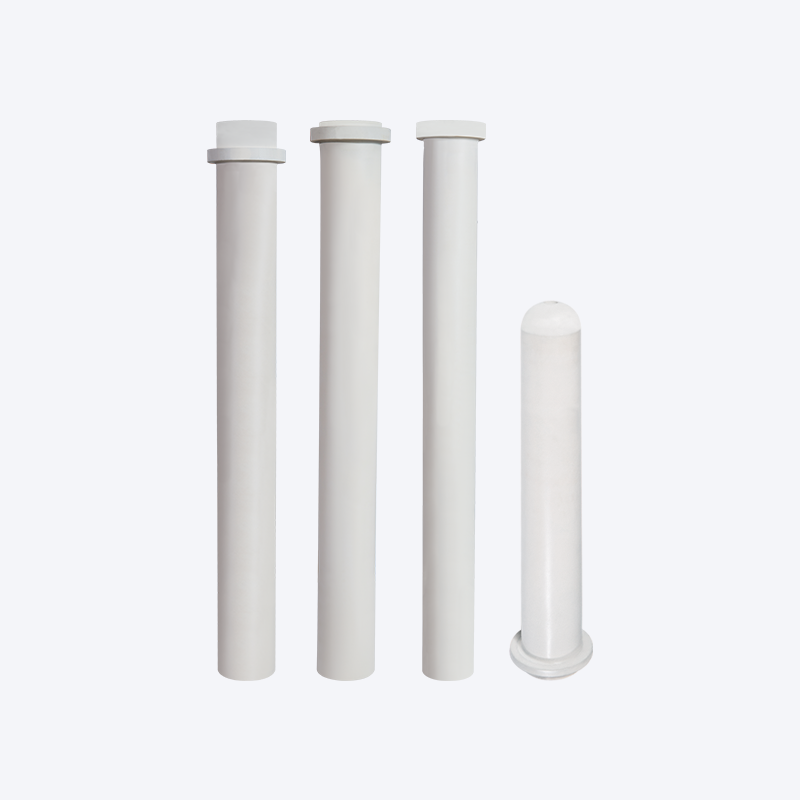
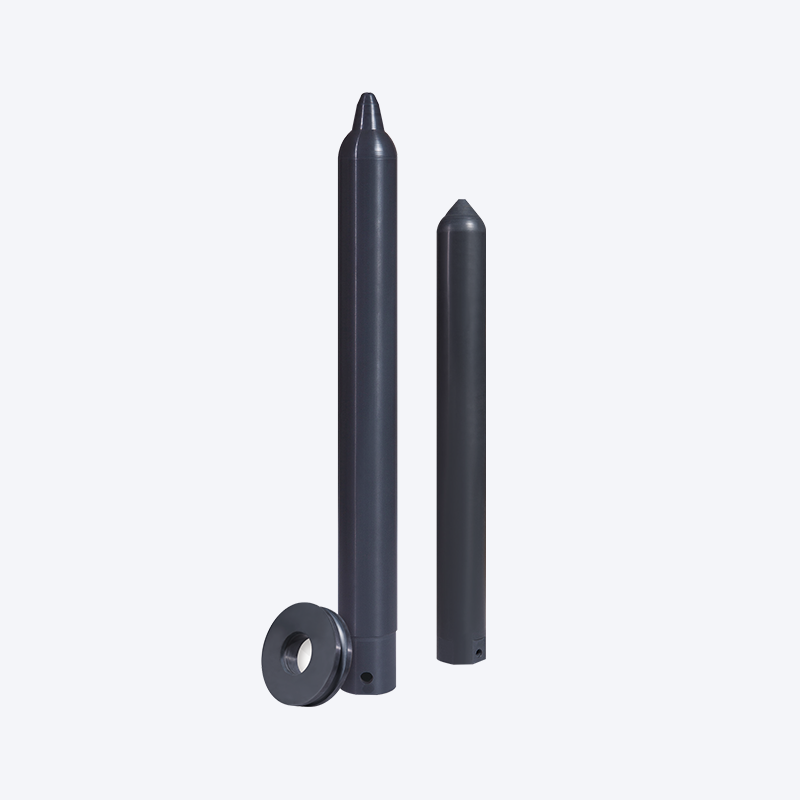 SG-28 Silicon Nitride Ceramic Stopper Tube for Molten AluminumA silicon nitride stopper tube for molten aluminum flow control, offering high-temperature strength, thermal shock resistance, and non-wetting behavior in casting lines.View Product →
Content
What a Silicon Nitride Stopper Tube Does
A silicon nitride stopper tube is a ceramic tube or rod that forms part of a stopper rod or stopper valve assembly. Its job is simple to describe and demanding to execute: it opens, modulates, and shuts off the flow of molten aluminum from a holding furnace, launder, or tundish into a mold or transfer system. In many foundries, the stopper tube works against a nozzle seat. When the tube lifts, metal flows; when it lowers, the flow stops. The precision of that movement affects fill rate, turbulence, and the amount of oxide or inclusion material that reaches the casting.
Because the tube is in direct contact with liquid aluminum, it must resist wetting, erosion, and thermal shock while keeping its shape. A tube that softens, cracks, or reacts with the melt will not hold a stable flow setting. That is why silicon nitride ceramics are often chosen for this part: they offer a combination of strength, thermal stability, and low reactivity with molten aluminum that helps the stopper tube do its job without becoming the problem.
Why Silicon Nitride Is a Good Fit
Silicon nitride is not a new material in the aluminum industry, but it remains a strong choice for flow-control parts because it balances several properties that matter at the furnace. The table below summarizes the practical value of these properties in day-to-day casting work.
| Property | What it means at the furnace | Why it matters |
|---|---|---|
| Thermal shock resistance | Withstands rapid heating and cooling during start-up, pouring, and shutdown. | Reduces the risk of cracking when the tube meets molten aluminum. |
| Low wettability by molten aluminum | Aluminum tends not to stick or react with the ceramic surface. | Less build-up, cleaner flow, and easier maintenance between casts. |
| High strength and toughness | Handles mechanical loads and movement in the stopper mechanism. | Resists breakage during installation, adjustment, and operation. |
| Chemical inertness | Does not easily react with molten aluminum or typical furnace atmospheres. | Helps protect metal quality and keeps the tube surface stable. |
| Wear resistance | Resists erosion from flowing metal and contact wear at the seat. | Supports longer service life and more consistent flow control. |
These properties are why silicon nitride is used not only for stopper tubes but also for riser tubes, degassing rotors, and other molten-metal contact parts. Our SG-28 silicon nitride ceramic series is built around this balance of strength, thermal stability, and non-wetting behavior, and we tune the material and shape for the specific flow-control duty the part will see.
How the Stopper Tube Works on the Line
In a typical arrangement, the stopper tube is attached to an actuator above the furnace or launder. The actuator moves the tube vertically, and the tube tip seals against a nozzle seat when the flow is closed. The operator or control system sets the stroke so the tube opens to a repeatable position. In low-pressure and some gravity casting setups, the stopper tube works together with a silicon nitride riser tube to guide metal from the holding furnace into the mold.
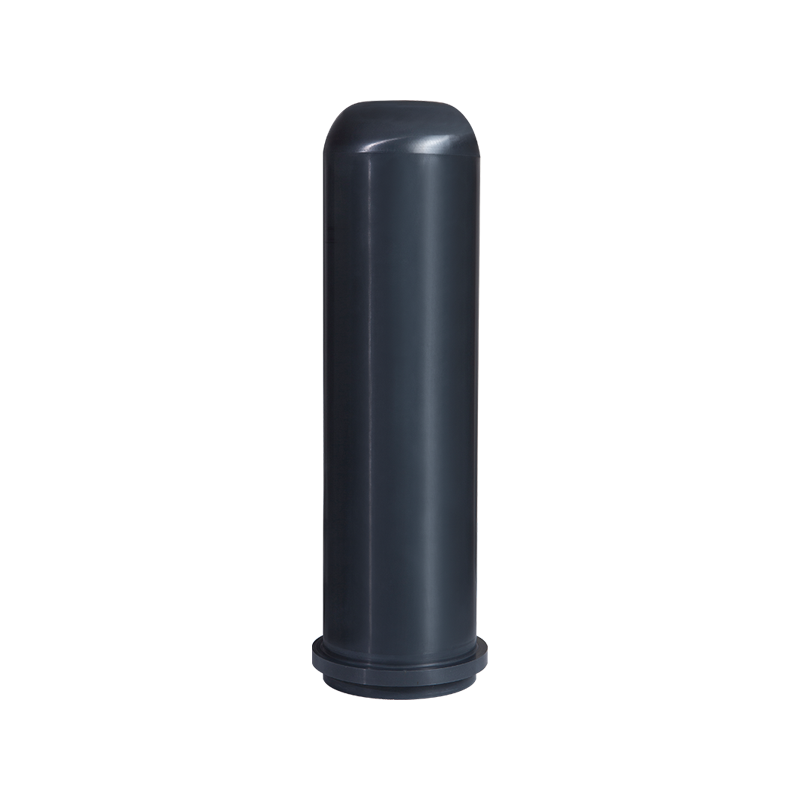 SG-28 Silicon Nitride Ceramic Riser Tube for Aluminum CastingA silicon nitride riser tube that resists molten aluminum penetration and sticking, helping guide metal flow and reduce slag buildup in casting setups.View Product →
A steady start-up routine helps the tube last longer and hold a stable flow setting. A typical sequence looks like this:
- Preheat the stopper tube gradually and evenly before it meets molten aluminum.
- Check that the tube is aligned with the nozzle seat and that the actuator moves freely.
- Set the open and closed positions, then confirm the stroke with a dry run.
- Start with a low flow rate and watch the metal stream for stability.
- Record the working stroke and flow behavior so the next shift can repeat it.
Where It Fits in Aluminum Casting
Stopper tubes are used in gravity casting, low-pressure casting, die casting, and transfer systems where molten aluminum needs to be started, stopped, or modulated. They are especially valuable when the casting cycle calls for repeatable fill rates, because a stable stopper tube helps reduce turbulence and limit the entrainment of oxide films. In die casting, the tube may control metal delivery from a holding furnace or launder; in low-pressure casting, it often works with a riser tube and a sealed furnace system.
You can see how these parts fit into our aluminum casting and die casting application pages, where we describe the hot-end components that support melting, refining, transfer, and mold filling. For a deeper look at how the stopper tube behaves in service, our industry note on silicon nitride stopper tubes is a useful read.
Installation, Start-Up, and Care
Most stopper tube problems we see are not material failures. They come from handling, preheating, or alignment issues that could be avoided with a little care. These are the practices we usually recommend to foundry teams:
- Preheat slowly and evenly. A fast heat-up can put unnecessary thermal stress on the ceramic.
- Avoid mechanical shock during transport, installation, and adjustment.
- Inspect the nozzle seat and tube tip before each campaign; a poor seat can cause leakage or unstable flow.
- Keep spare tubes in a dry, clean area and protect the sealing surfaces from damage.
- Clean the tube with methods that do not chip or scratch the ceramic surface.
- Retire the tube when you see cracks, heavy build-up, or a change in flow behavior that cannot be corrected by adjustment.
These simple habits help protect the tube and make the stopper assembly more predictable from one shift to the next.
Choosing the Right Stopper Tube
The right stopper tube is not just a material grade. It also needs the correct length, wall thickness, tip geometry, and seat fit for your furnace and nozzle. The actuator stroke and the way the tube is guided matter as well. If the tube is too stiff for the alignment, or too flexible for the flow load, the result will show up as inconsistent pouring or short service life.
We prefer to start with the working conditions: alloy family, metal temperature, furnace atmosphere, casting cycle, nozzle size, and the way the actuator is set up. From there, we can recommend a silicon nitride stopper tube geometry that fits the duty rather than forcing a standard part into an application where it does not belong.
Working With SGJL
SGJL was founded in 2018, but our team brings more than 20 years of experience in specialty ceramics for aluminum processing. We produce silicon nitride, O’Sialon, aluminum titanate, and corundum-based components for the hot end of aluminum casting and die casting. Our factory covers 20,000 square meters, and we supply customers in more than 30 countries. We are not here to push a one-size-fits-all part; we would rather understand your furnace, your alloy, and your casting cycle, then recommend a stopper tube that fits the work.
If you are reviewing your current stopper tube performance, we are happy to compare notes and help you find a more stable flow-control solution.
Hot Products

Contact Us for Quotes and Prices!
Just let us know what you want, and we will get in touch with you as soon as possible!

We will continue to develop and produce more advanced ceramic materials for the aluminum processing industry.
Scan the Mobile QR code
Contact
 +86-18501518842 / +86-13587222672
 +86-0572-2926332 / 2926337
 +86-0572-2926335
 [email protected] / [email protected] / [email protected]
 No.11 Building, South Taihu High-tech Intelligent Manufacturing Industrial Park, Wuxing District, Huzhou City, Zhejiang, China
Copyright© 2024 Zhejiang Shangguijuli Special Material Technology Co., Ltd. All Rights Reserved. Ceramic Material Supplier


