

Tel:+86-0572-2926332 / 2926337

E-mail:[email protected]
 REQUEST A QUOTE

 en
 English
 简体中文
Silicon Nitride Stopper Valve: Flow Control Foundries Trust in Aluminum
2026.10.26
Pouring metal is a quiet art until it goes wrong. A nozzle that dribbles, a stream that wanders, a ladle that empties faster than the mould can take it — most of these headaches come down to one small decision at the bottom of the vessel. That decision is made by the stopper valve, and in more and more foundries the material making that decision is silicon nitride ceramic.
We have spent years watching these parts come back from the field, some worn thin in a week, others still serviceable after months of shifts. The difference is rarely luck. It is material, fit and handling — and that is what this article walks through.
Content
- 1 What Is a Silicon Nitride Stopper Valve?
- 2 Where Stopper Valves Do Their Work
- 3 Why Silicon Nitride Outperforms Traditional Refractory Materials
- 4 Comparing Common Stopper Materials
- 5 Key Factors When Specifying a Stopper Valve
- 6 Installation and Handling Best Practices
- 7 Signs a Stopper Valve Needs Replacement
- 8 Choosing a Supplier Who Understands the Whole Flow Path
What Is a Silicon Nitride Stopper Valve?
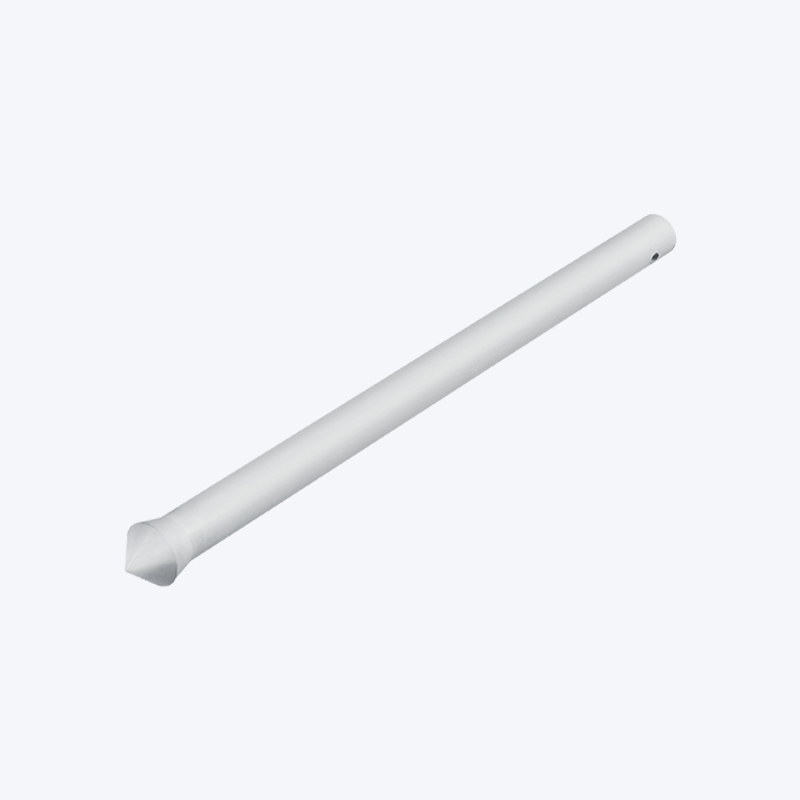
A stopper valve is a flow-control assembly. A refractory rod with a shaped tip sits inside the molten metal bath and drops into a nozzle seat at the base of the vessel. Lift the rod and metal flows; lower it and the stream stops. Between fully open and fully closed there is a working range where a skilled operator can trim the pour rate to suit the casting.
The ceramic head — often called the stopper tube, plug or stopper rod tip — is the part that lives in the worst conditions: full immersion, thermal cycling every time the vessel is filled and emptied, and constant contact with a liquid that dissolves many oxides.
Silicon nitride (Si3N4) changes the equation because it is not an oxide at all. It combines high strength with very low wettability by molten metal, so metal tends to bead off rather than cling and creep into surface pores. It also tolerates rapid heating without the spider-web cracking that ends the life of weaker refractories.
Where Stopper Valves Do Their Work
The technology earned its reputation in steel. Continuous casting tundishes rely on stopper rods to hold a steady meniscus in the mould, and a rod that erodes mid-sequence can cost an entire heat. That steel heritage is real and still drives much of the demand.
Aluminum is where the story has moved quickly. In low-pressure casting, gravity die casting and transfer systems, the same principle applies: hold metal back, then release it in a controlled way. Silicon nitride suits aluminum particularly well because it does not wet easily and does not introduce the oxide contamination that shortens tooling life and spoils inclusion-sensitive castings.
You will see stopper valves paired with nozzles, launder linings and riser tubes, working as one flow path. If you want the broader picture of how these parts sit inside a casting line, our aluminum casting and die casting applications section lays out the sequence from furnace to mould.
Why Silicon Nitride Outperforms Traditional Refractory Materials
Chemical stability against molten metal
Clay-bonded and silica-based refractories depend on a glassy bond phase. Molten metal, especially steel with high manganese or aluminum with active alloying elements, attacks that phase and opens the structure. Silicon nitride holds its chemistry far better, resisting slag and metal penetration while staying inert enough not to add inclusions to the melt.
Dimensional stability across repeated cycles
A stopper only seals if the tip and seat still match. Erosion and thermal spalling change the geometry, and once the fit opens up, the operator loses control of the low-flow range. Silicon nitride's combination of hardness and thermal shock resistance keeps the seating face closer to its original profile over many more cycles, which translates into a longer useful stroke and fewer rod changes.
Comparing Common Stopper Materials
| Material | Thermal shock resistance | Wetting by molten metal | Erosion resistance | Where it fits best |
|---|---|---|---|---|
| Fused silica | Excellent | High | Low | Short runs, cost-sensitive heats |
| Graphite based | Good | Moderate | Moderate | General steel casting with cover gas |
| High-alumina | Moderate | Moderate | Good | Steady pours where shock is limited |
| Zirconia | Good | Low | Very good | Severe erosion, high cost tolerance |
| Silicon nitride | Excellent | Very low | Very good | Long sequences and cleanliness-critical melts |
Read the table as a starting point rather than a verdict. A plant running short heats on a tight budget may reasonably stay with fused silica, while a caster chasing sequence length and inclusion control usually finds the arithmetic points firmly toward nitride ceramics.
Key Factors When Specifying a Stopper Valve
- Metal and temperature: alloy chemistry and superheat decide how aggressive the environment really is.
- Nozzle bore and seat geometry: the tip profile must match the nozzle you already run, or control range suffers.
- Rod length and stroke: too little stroke and you cannot trim the flow; too much invites misalignment.
- Grade and microstructure: fine, uniform grain structure gives better strength and surface finish than coarse material.
- Preheat capability: check what the ceramic can survive on your preheat stand, not just in theory.
- Interface with the actuator: a good ceramic on a sloppy mechanism will still leak, so inspect the linkage too.
Installation and Handling Best Practices
Preheating
Bring the part up to temperature gradually and evenly. A slow ramp in a purpose-built preheater avoids the local thermal gradients that cause surface cracking, and it removes adsorbed moisture before the rod meets liquid metal.
Alignment with the stopper rod mechanism
Set the rod so the tip meets the nozzle concentrically, with the closed position just sealing rather than jamming. Excessive closing force is a common cause of chipped seating faces. Check the stroke through a full open-close-open cycle before the vessel is filled, and keep the guiding mechanism clean and free of metal splash.
Signs a Stopper Valve Needs Replacement
- Flow drifts even when the rod position is unchanged.
- Visible chipping or a rounded, polished ring on the seating face.
- Metal build-up or glazing on the tip that resists gentle cleaning.
- Cracks or a dull, porous-looking surface after preheating.
- A rise in inclusion rejects or inconsistent fill times on the same pattern.
Withdrawing a part one shift early is nearly always cheaper than scrapping a heat, so treat these signals as a trigger for inspection rather than a reason to push on.
Choosing a Supplier Who Understands the Whole Flow Path
A stopper valve never works alone. It interacts with the nozzle, the launder lining and whatever sits downstream, which is why the conversation is easiest with a partner who makes all of them. We produce our SG-28 silicon nitride series in-house, from powder through sintering to finished geometry, so the grade that goes into a stopper tip is the same one used in rotors, riser tubes and protection tubes.
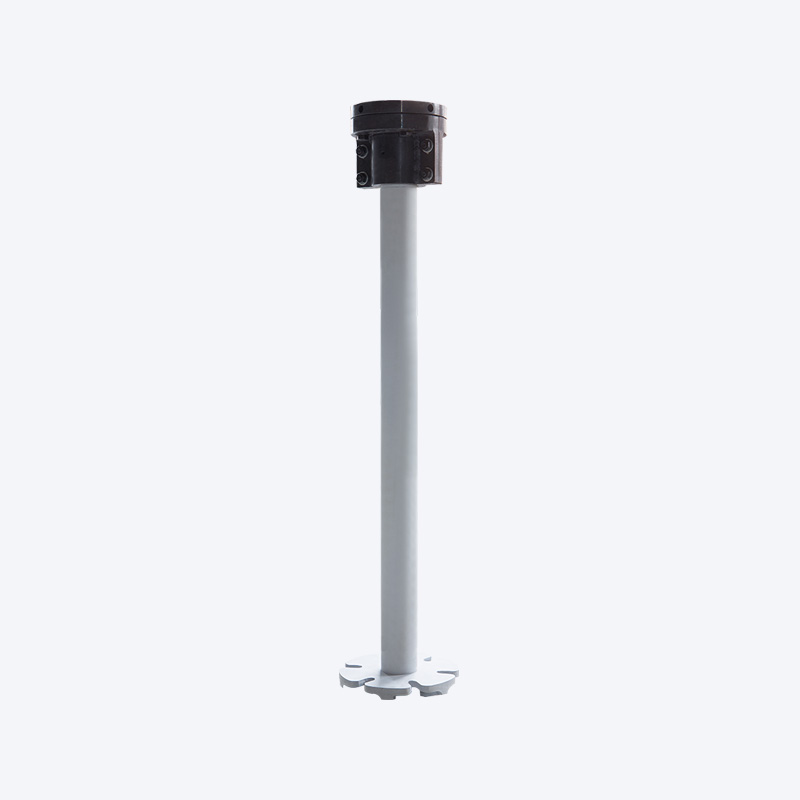
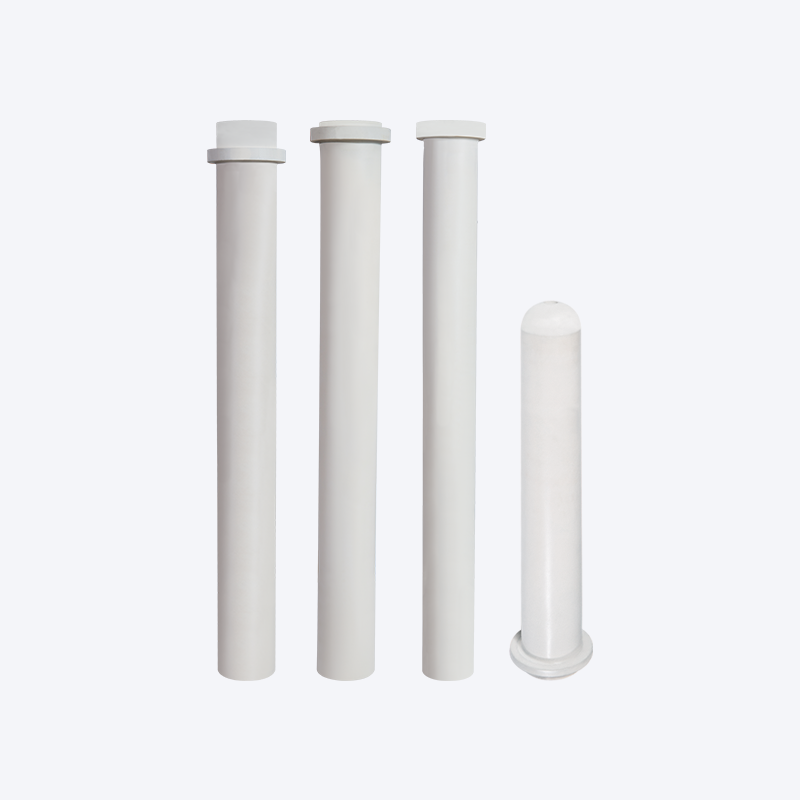
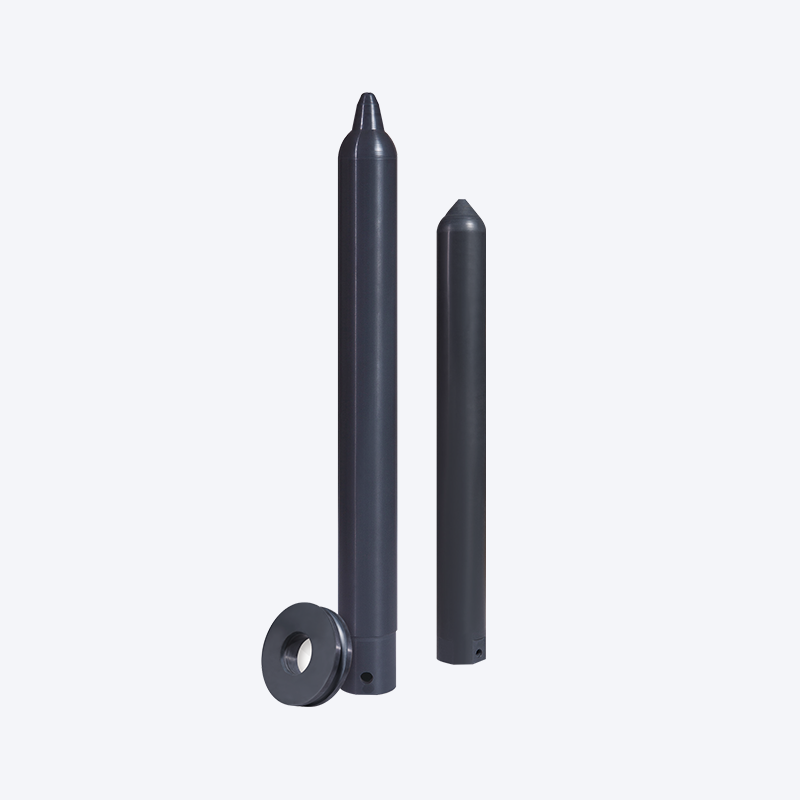 SG-28 Silicon Nitride Ceramic Stopper Tube for Aluminum ProcessingProduced in-house from powder to finished geometry, this stopper grade shares material consistency with rotors, riser tubes and protection tubes for molten aluminum service.View Product →
In practice, that means we can talk about seating angles and preheat schedules with the same team that knows how the material behaves in a degassing rotor or a heater tube. It also means replacement parts arrive with consistent shrinkage and finish, batch after batch, which matters more than most catalogues admit.
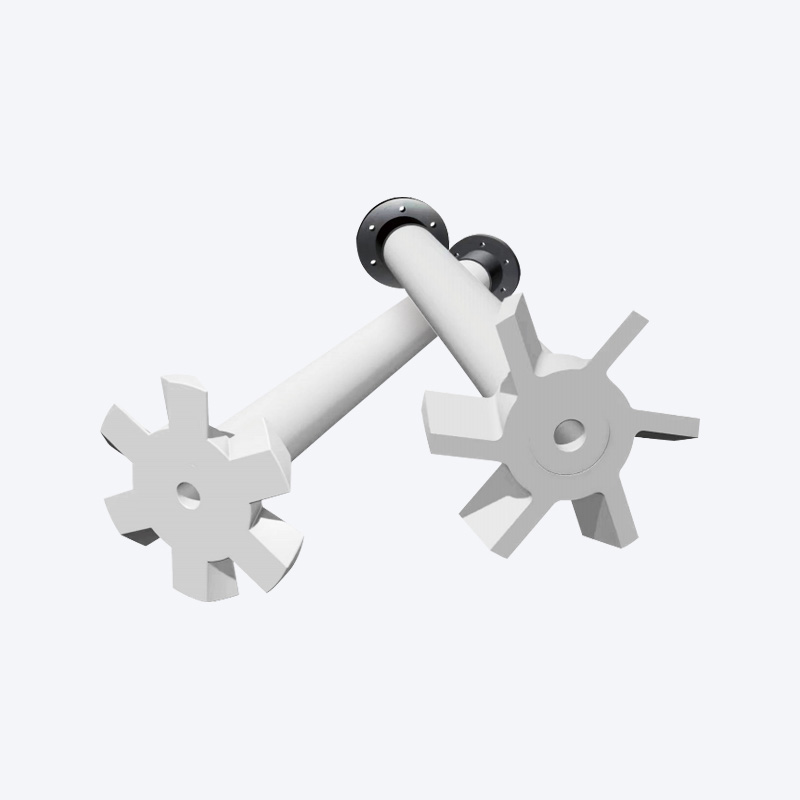
Plants running aluminum casting and die casting lines often pair the stopper with a 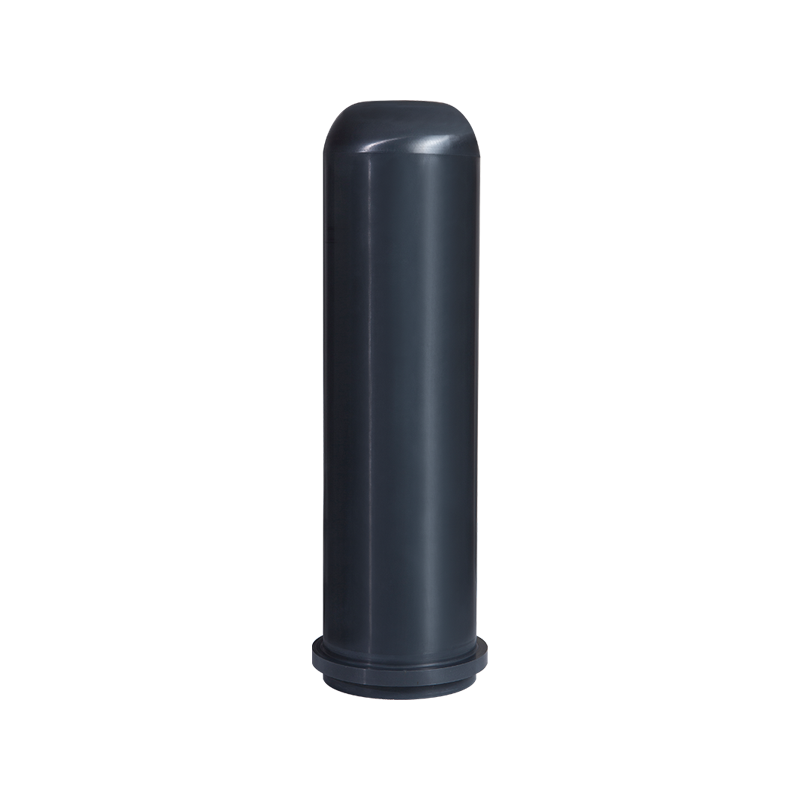 SG-28 Silicon Nitride Ceramic Riser Tube for Molten AluminumPairs with stopper valves in aluminum casting flow paths; resists molten aluminum penetration and slag buildup, with a metal composite flange to reduce load damage.View Product → riser tube for the same flow path, and for operations that shut off entirely between casts, an O-sialon plug is worth comparing against a nitride tip. Small differences in geometry, grade and handling add up over a year of shifts.
If you are working through a flow-control problem right now, the most useful next step is usually a short conversation about your current setup: which alloy, what superheat, how long a sequence, and how the rod is currently seating. Send us those details and we will tell you honestly whether a silicon nitride stopper valve is the right answer for your line — and if it is not, we will say so.
Hot Products

Contact Us for Quotes and Prices!
Just let us know what you want, and we will get in touch with you as soon as possible!

We will continue to develop and produce more advanced ceramic materials for the aluminum processing industry.
Scan the Mobile QR code
Contact
 +86-18501518842 / +86-13587222672
 +86-0572-2926332 / 2926337
 +86-0572-2926335
 [email protected] / [email protected] / [email protected]
 No.11 Building, South Taihu High-tech Intelligent Manufacturing Industrial Park, Wuxing District, Huzhou City, Zhejiang, China
Copyright© 2024 Zhejiang Shangguijuli Special Material Technology Co., Ltd. All Rights Reserved. Ceramic Material Supplier


