

Tel:+86-0572-2926332 / 2926337

E-mail:[email protected]
 REQUEST A QUOTE

 en
en  English
 简体中文
简体中文Why the Silicon Nitride Degassing Rotor is a Game Changer for Aluminum Casting
2026.03.04
Content
How the Silicon Nitride Degassing Rotor Revolutionizes Molten Metal Treatment
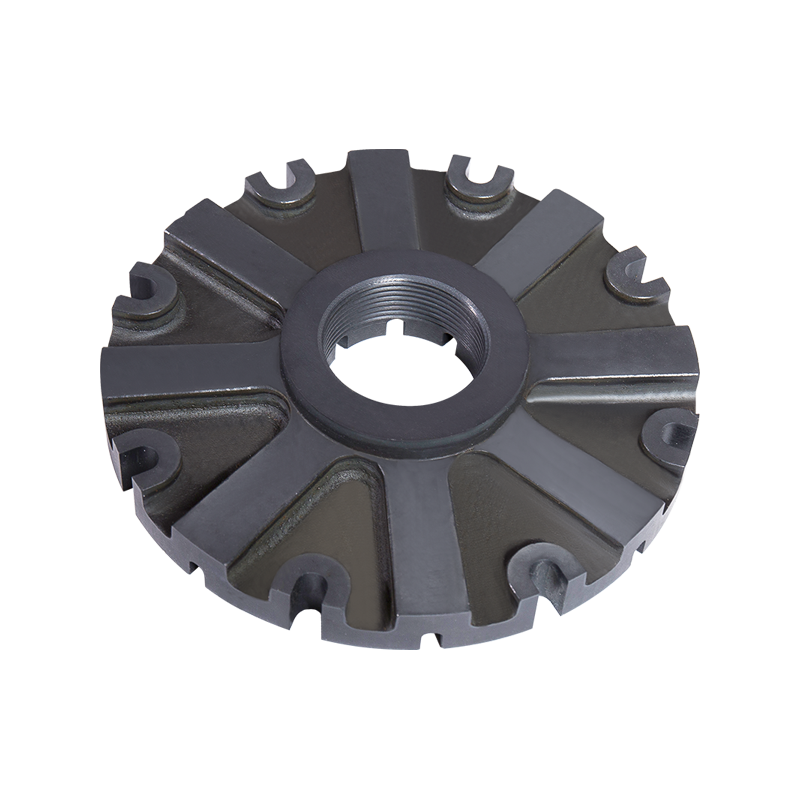
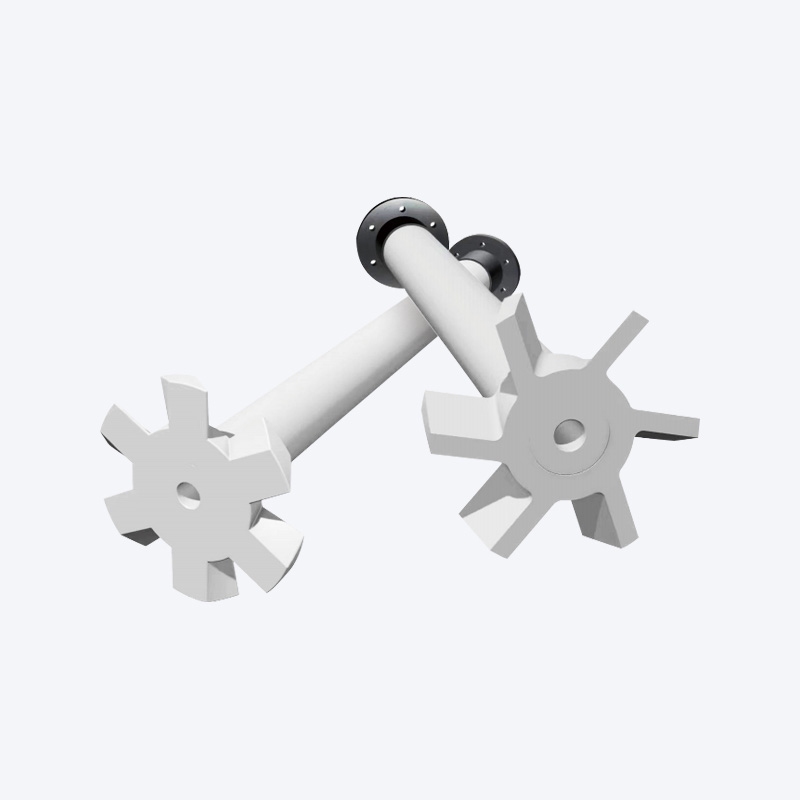
In the aluminum casting industry, the purity of the molten metal is paramount to the quality of the final product. A Silicon Nitride Degassing Rotor is a high-performance ceramic component used to remove hydrogen gas and other non-metallic inclusions from liquid aluminum. Silicon nitride (Si3N4) is preferred over traditional graphite because it offers exceptional mechanical strength and chemical stability at high temperatures. During the degassing process, the rotor spins at high speeds, shearing inert gases like argon or nitrogen into tiny bubbles that rise through the melt, carrying away impurities and hydrogen that could otherwise cause porosity and structural defects in the cast parts.
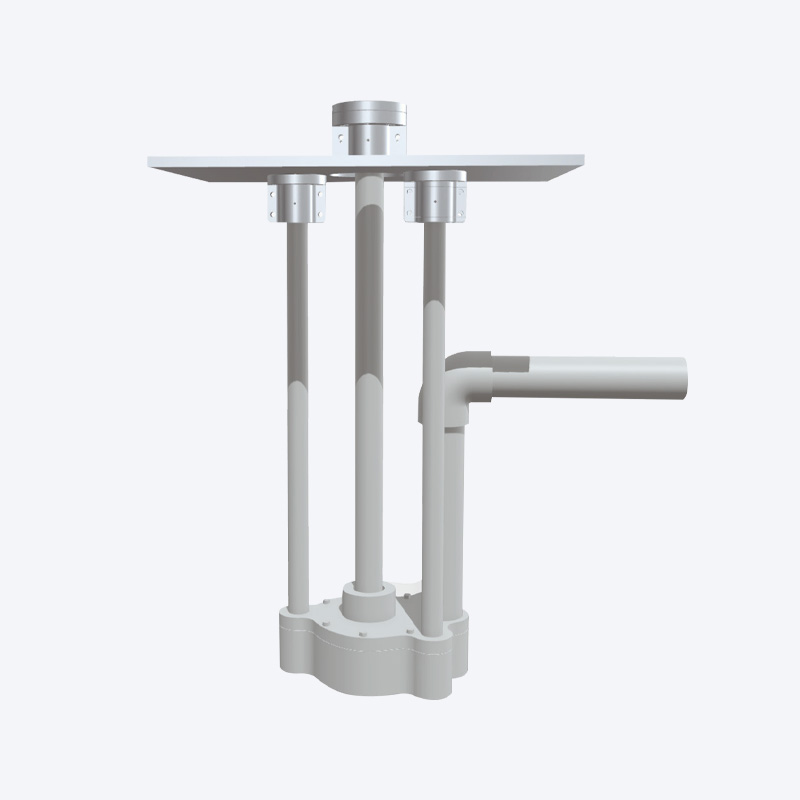
The transition to a Si3N4 degassing rotor and shaft assembly has become an industry standard for foundries seeking to reduce downtime and improve metal quality. Unlike graphite, which oxidizes rapidly and thins over time, silicon nitride is highly resistant to oxidation and corrosion. This durability ensures that the rotor maintains its original geometry for a much longer period, resulting in consistent bubble distribution and more predictable degassing efficiency throughout its service life.
Technical Advantages of Silicon Nitride Over Graphite
The primary reason engineers specify a silicon nitride degassing rotor is its superior physical properties. The material possesses an incredibly low coefficient of thermal expansion, which translates to unmatched thermal shock resistance. This means the rotor can be submerged into or removed from molten aluminum at 700°C to 800°C without the risk of cracking. Furthermore, silicon nitride is "non-wetting" for aluminum, meaning the molten metal does not stick to the ceramic surface, preventing dross buildup and making maintenance significantly easier for floor operators.
Key Material Characteristics
- High Fracture Toughness: Resists mechanical impact and vibration during high-speed rotation.
- Low Thermal Expansion: Prevents stress-induced failure during rapid temperature cycles.
- Anti-Oxidation: Maintains structural integrity for months rather than days or weeks.
- Superior Precision: Precision machining allows for optimized impeller designs that maximize gas shearing.
Performance Comparison in Aluminum Foundries
When evaluating the return on investment for silicon nitride ceramic rotors, it is helpful to compare their operational lifespan against traditional graphite. While the initial cost of a silicon nitride degassing rotor is higher, the total cost of ownership is often much lower due to the drastic reduction in replacement frequency. Below is a breakdown of the typical performance metrics encountered in modern foundry environments.
| Metric | Graphite Rotor | Silicon Nitride Rotor |
| Service Life | 10 - 20 Days | 6 - 12 Months |
| Oxidation Resistance | Poor (Needs Coating) | Excellent (Inherent) |
| Metal Contamination | Possible (Carbon pickup) | None (Chemically Inert) |
| Maintenance Need | High (Frequent cleaning) | Very Low |
Optimizing the Degassing Process for Maximum Efficiency
To get the best results from your silicon nitride degassing rotor, the rotation speed and gas flow rate must be carefully balanced. If the speed is too low, the gas bubbles will be too large and rise too quickly to effectively remove hydrogen. If the speed is too high, it can create excessive turbulence at the surface, which actually re-introduces hydrogen from the atmosphere into the melt. Precision-machined silicon nitride impellers allow foundries to operate at the "sweet spot" of high shearing with low surface disturbance, often achieving hydrogen removal rates of up to 50% more effectively than older designs.
Maintenance and installation also play a role in longevity. Although silicon nitride is tough, it is still a ceramic material and can be sensitive to mechanical "point loads." It is critical to ensure that the rotor is properly aligned within the degassing unit to avoid vibration and that the connection between the shaft and the drive motor is secure. By following these practical handling steps, foundries can ensure their silicon nitride components reach the upper end of their expected service life, often exceeding 3,000 hours of operation.
Conclusion: A Constructive Upgrade for Foundries
In conclusion, the silicon nitride degassing rotor represents a significant technological leap for aluminum purification. Its unique combination of high-temperature strength, corrosion resistance, and thermal stability directly translates to higher casting quality and lower operational costs. By switching to silicon nitride components, foundries can achieve more consistent degassing results, minimize scrap rates, and create a more efficient, automated production line. As the demand for high-strength, lightweight aluminum components in the automotive and aerospace sectors grows, the role of advanced ceramic rotors will only become more vital.
Hot Products
Contact Us for Quotes and Prices!
Just let us know what you want, and we will get in touch with you as soon as possible!

We will continue to develop and produce more advanced ceramic materials for the aluminum processing industry.
Scan the Mobile QR code
Contact
 +86-18501518842 / +86-13587222672
 +86-0572-2926332 / 2926337
 +86-0572-2926335
 [email protected] / [email protected] / [email protected]
 No.11 Building, South Taihu High-tech Intelligent Manufacturing Industrial Park, Wuxing District, Huzhou City, Zhejiang, China
Copyright© 2024 Zhejiang Shangguijuli Special Material Technology Co., Ltd. All Rights Reserved. Ceramic Material Supplier


